
Onua
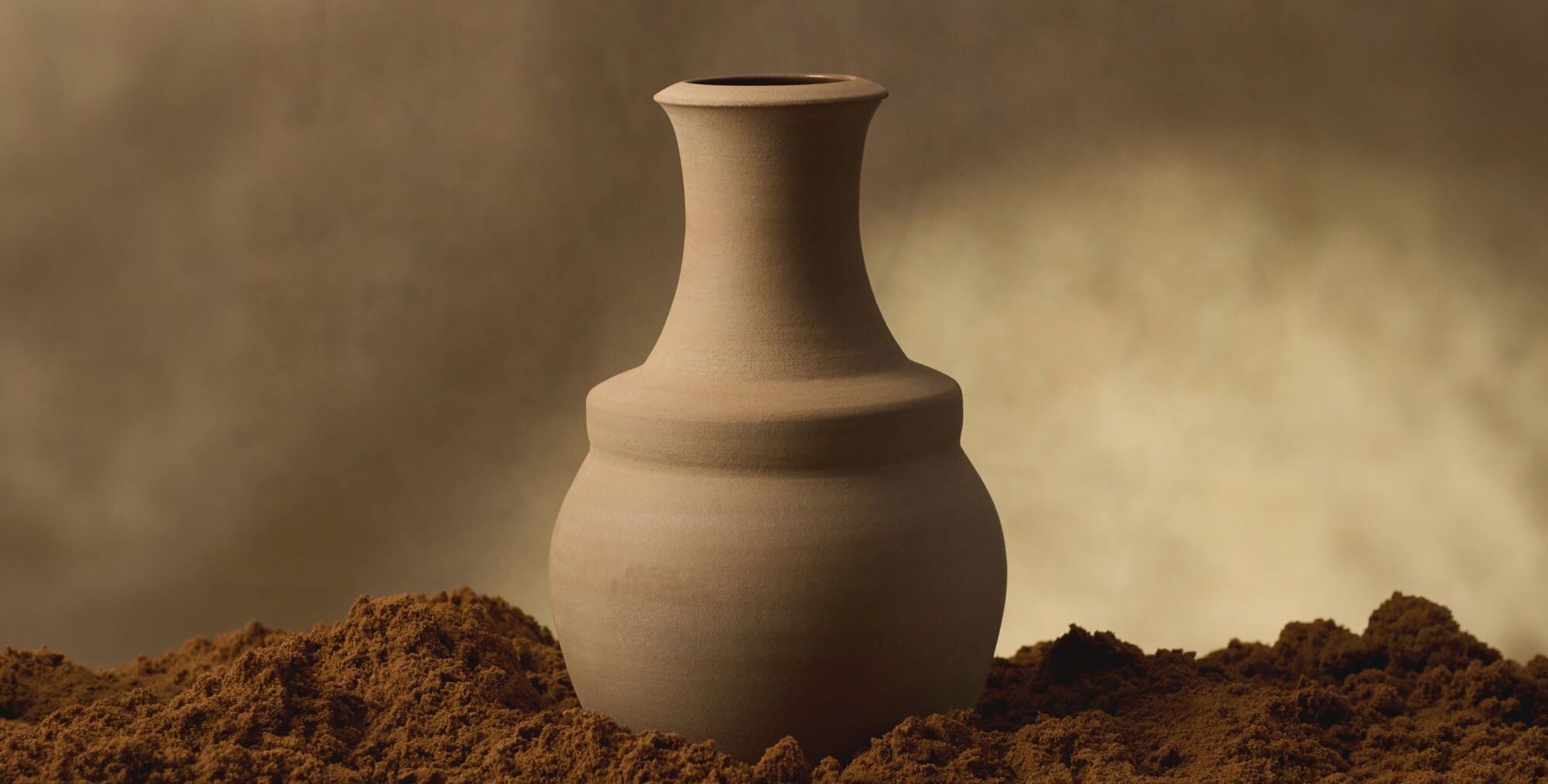
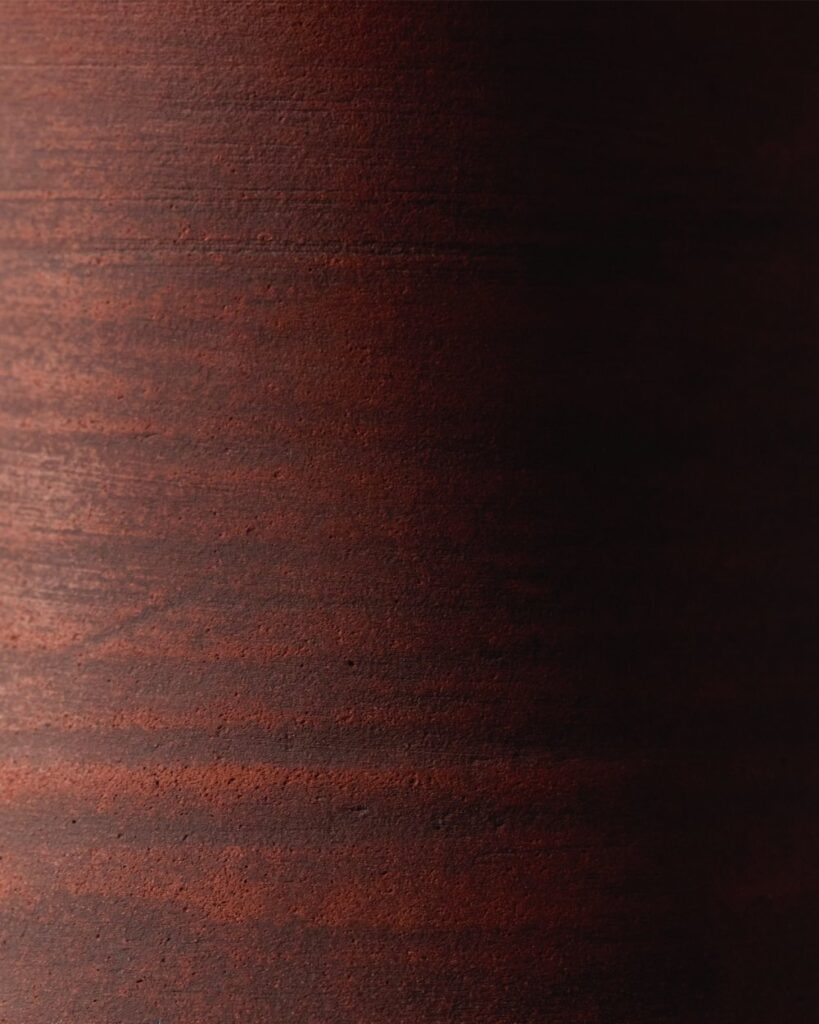
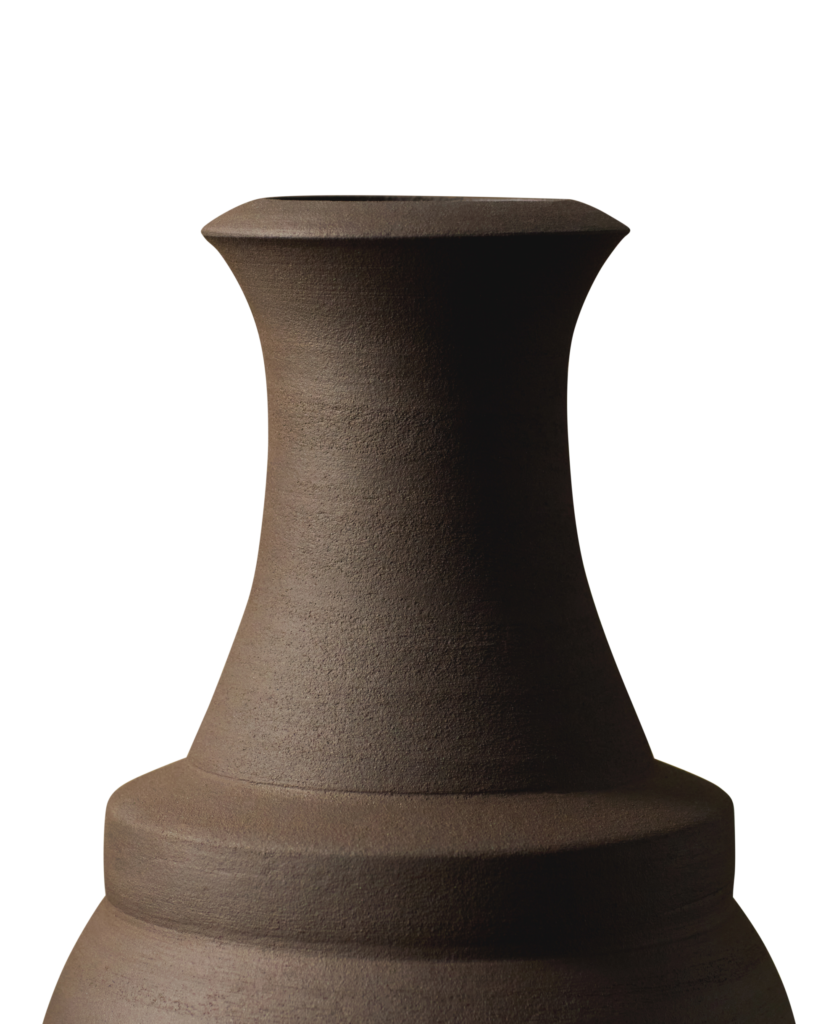
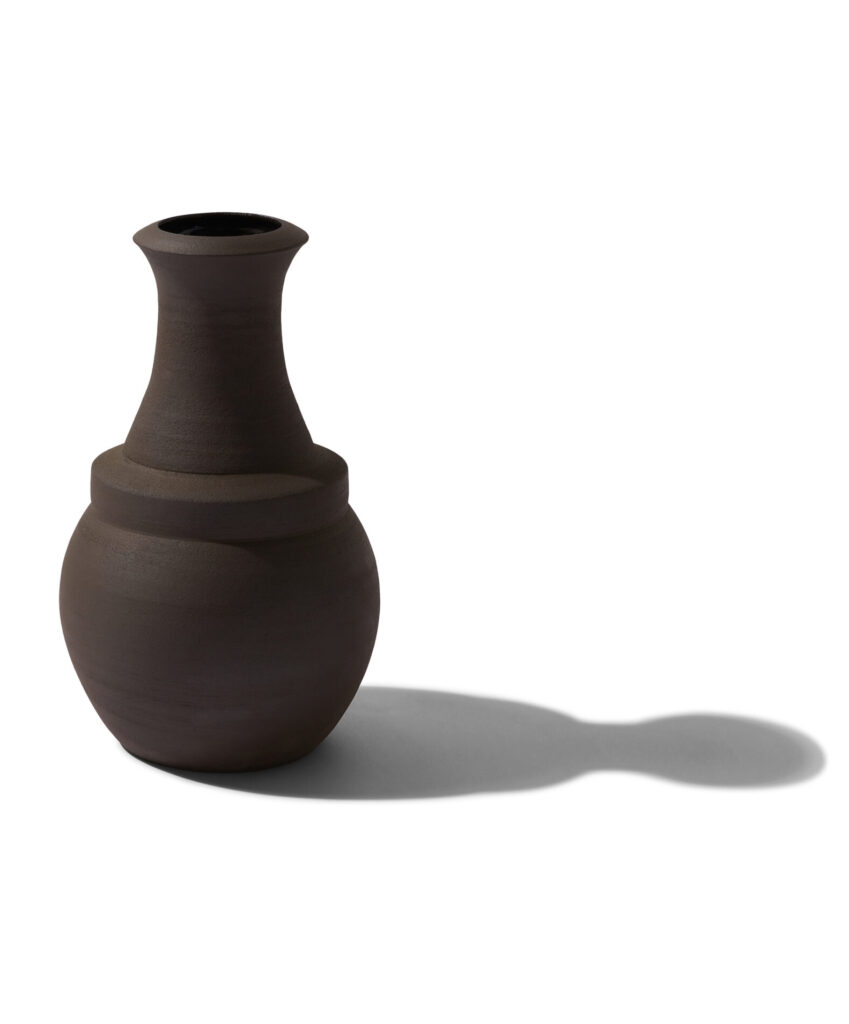
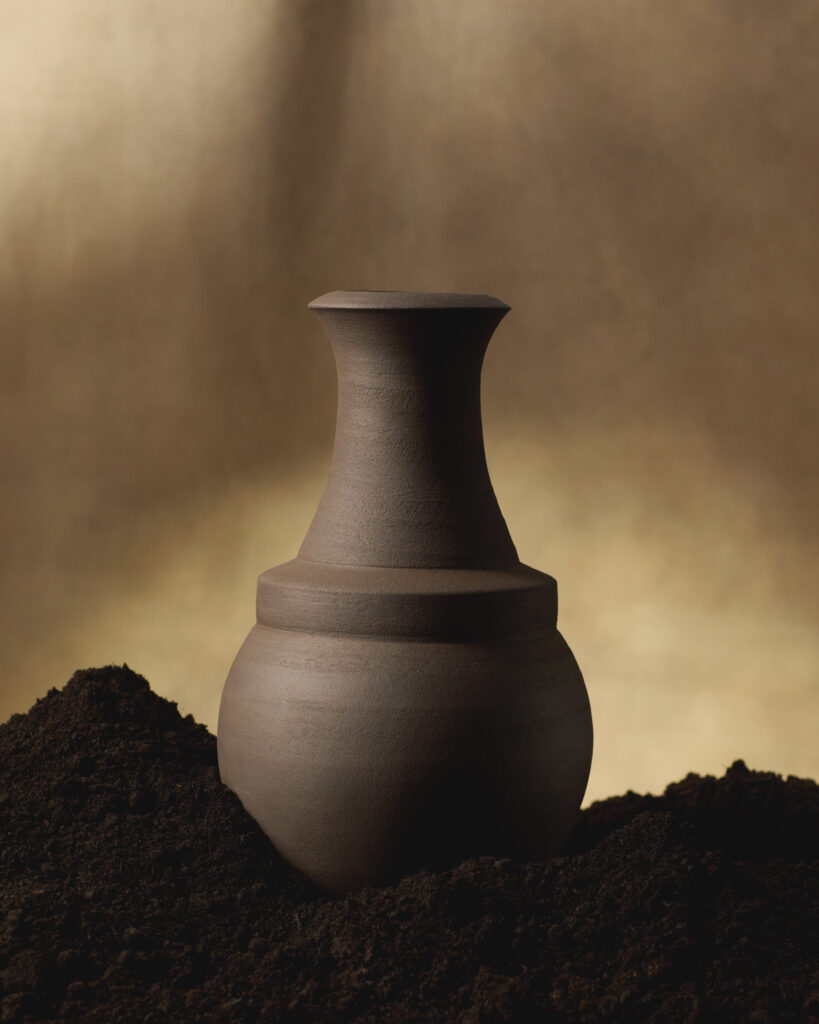
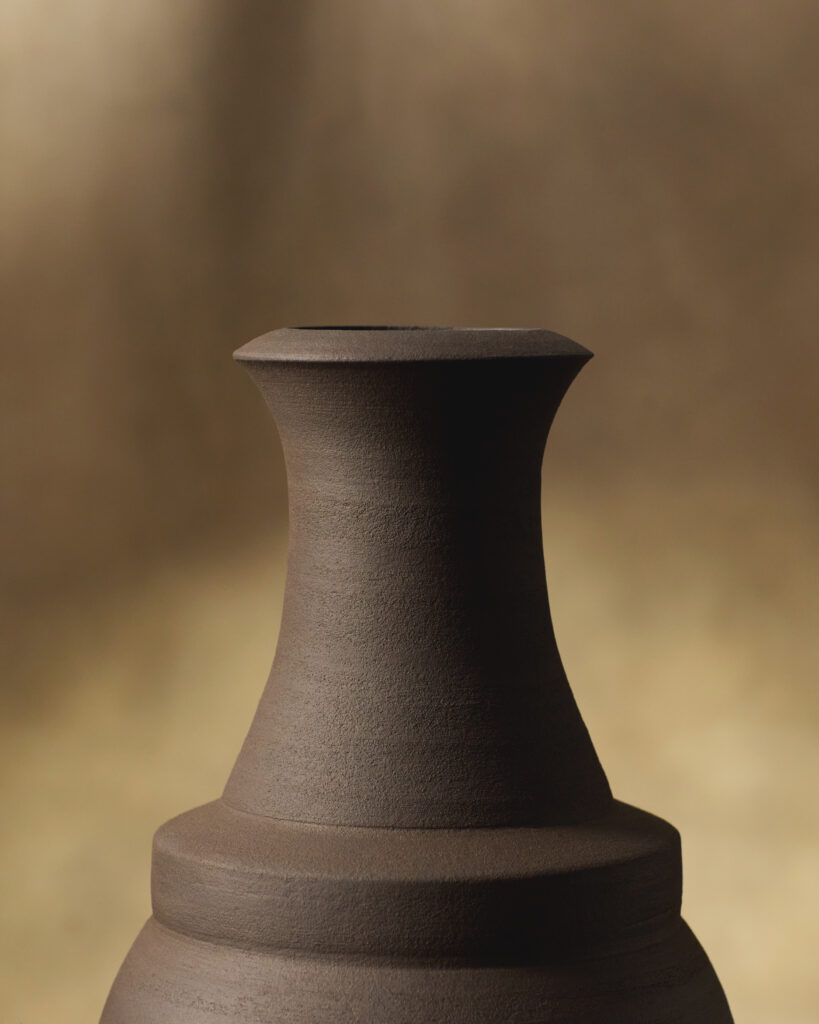
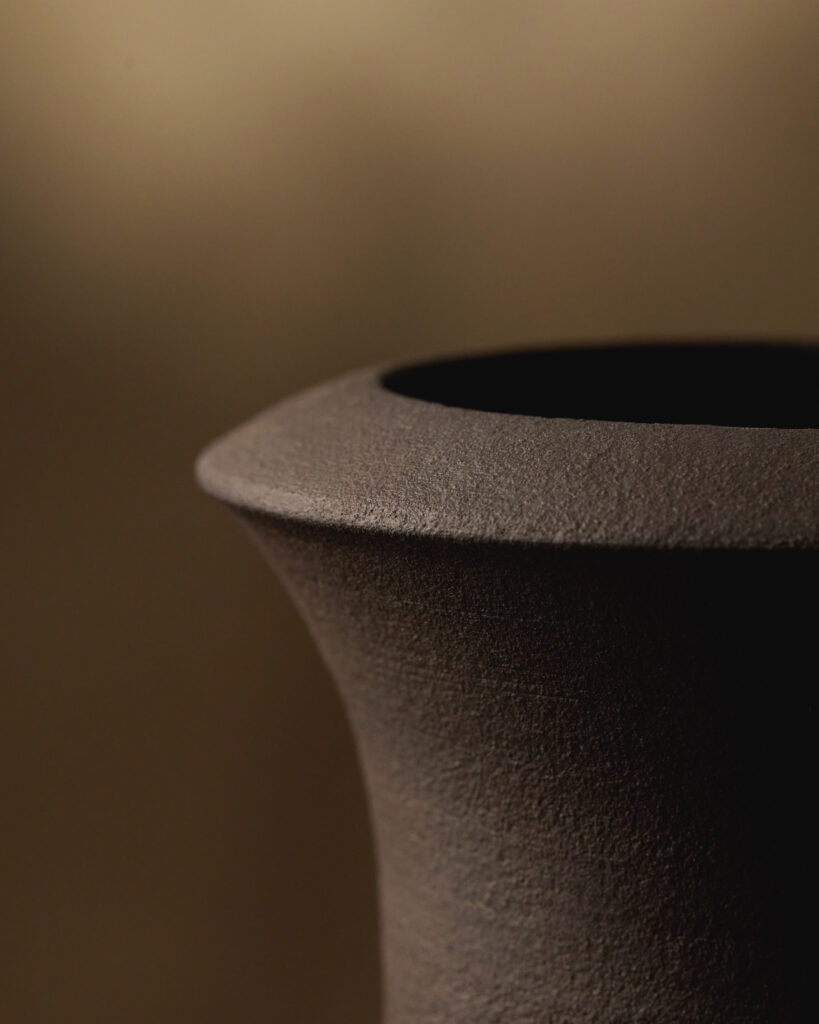
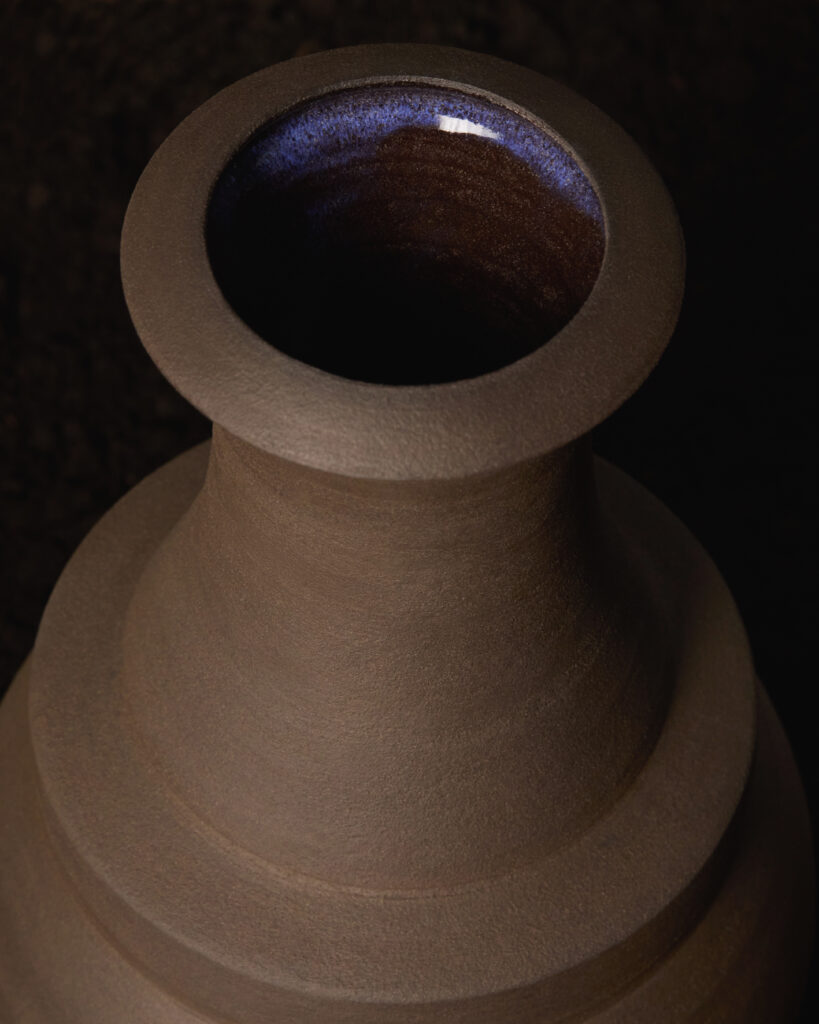
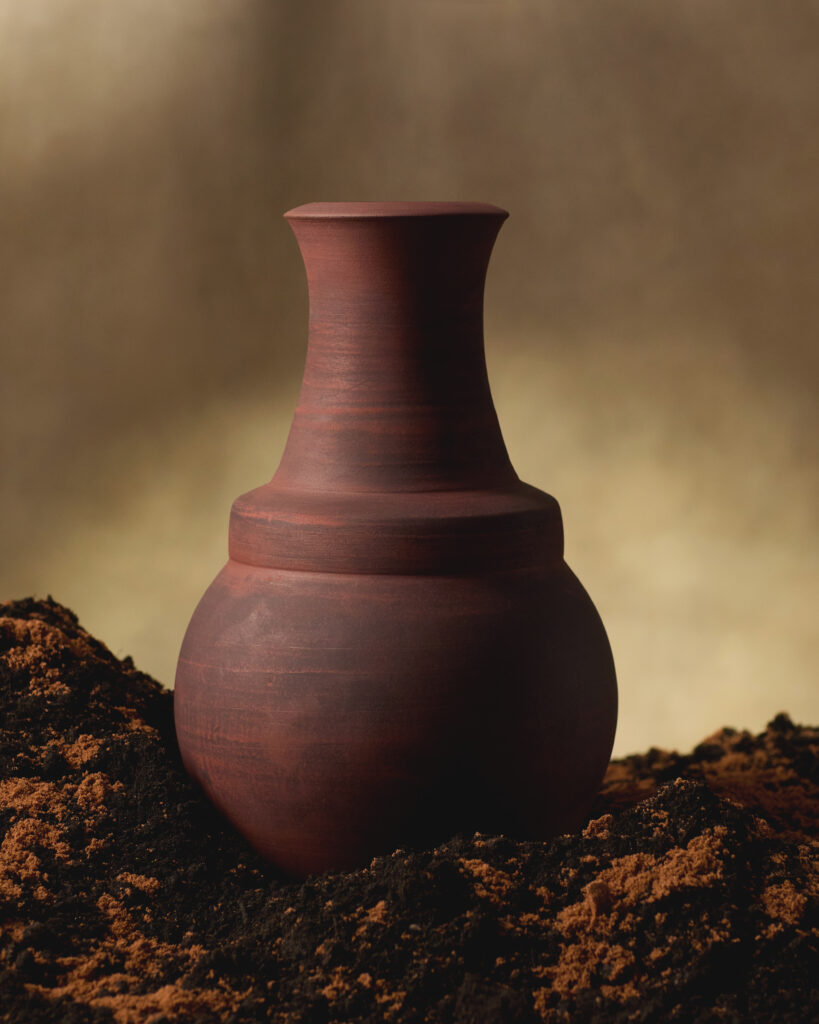
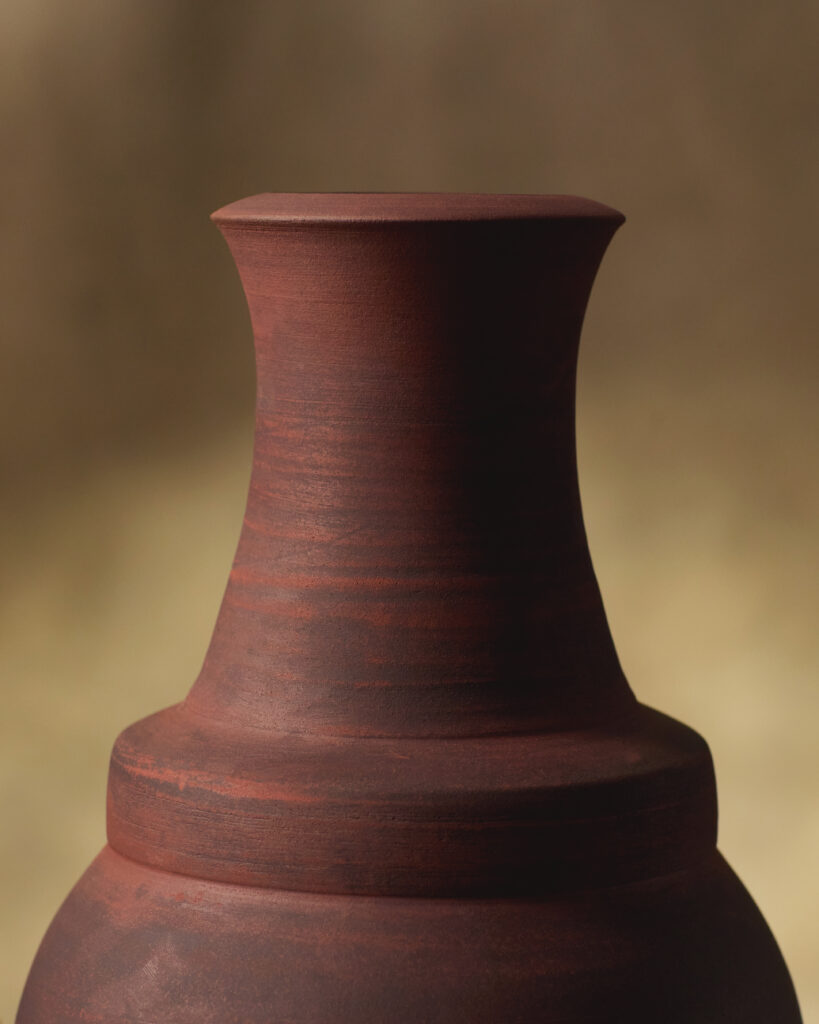
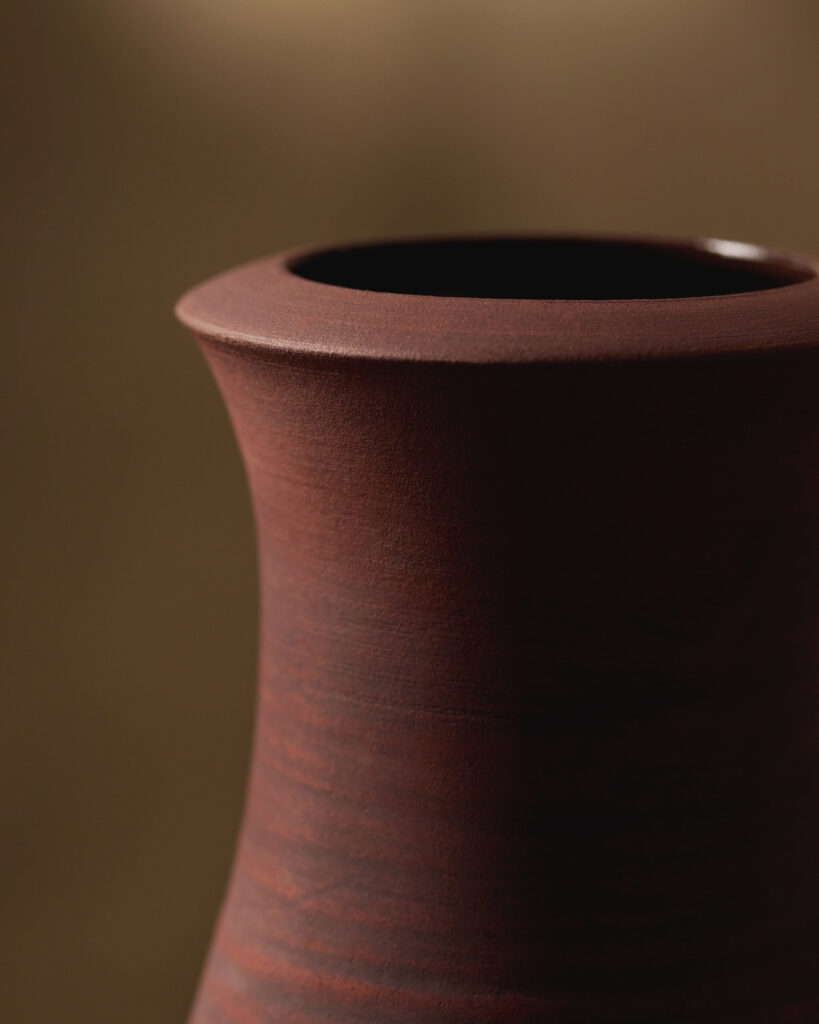
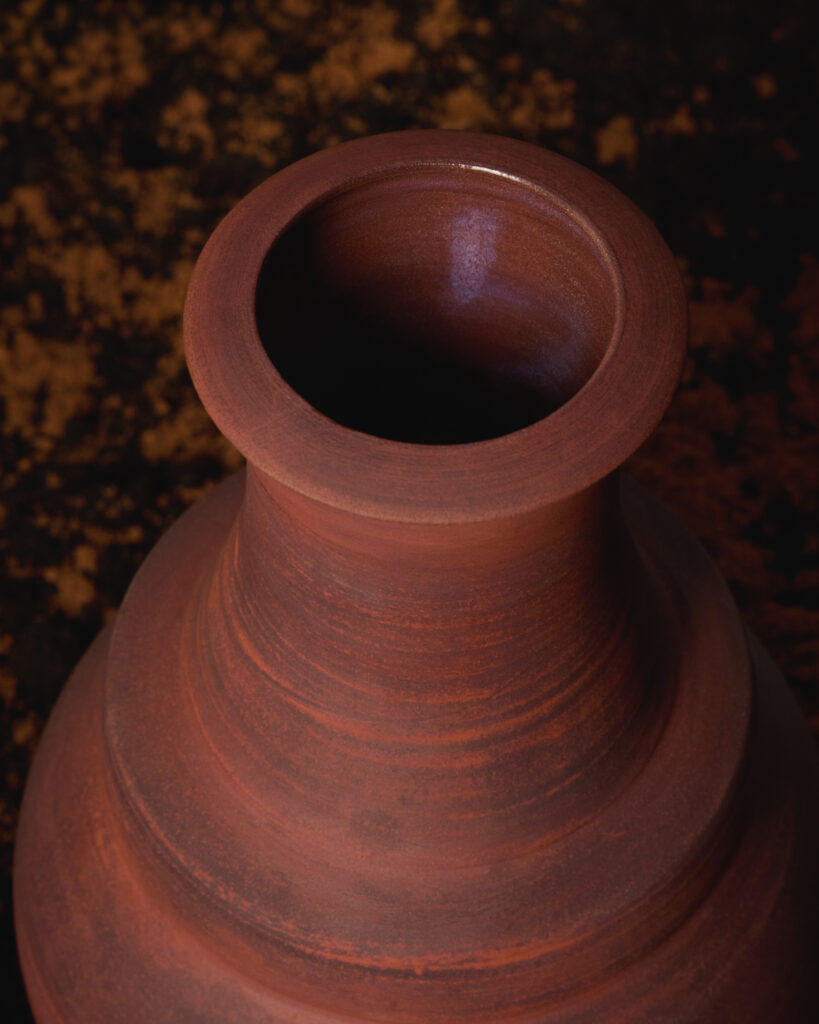
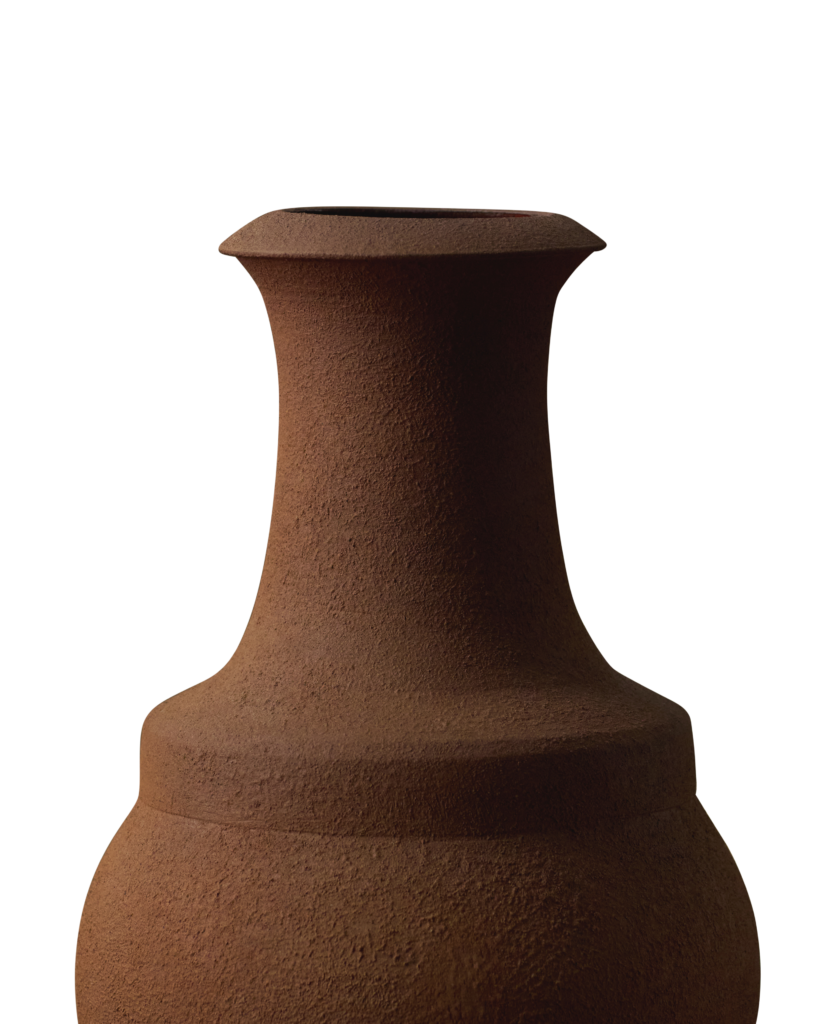
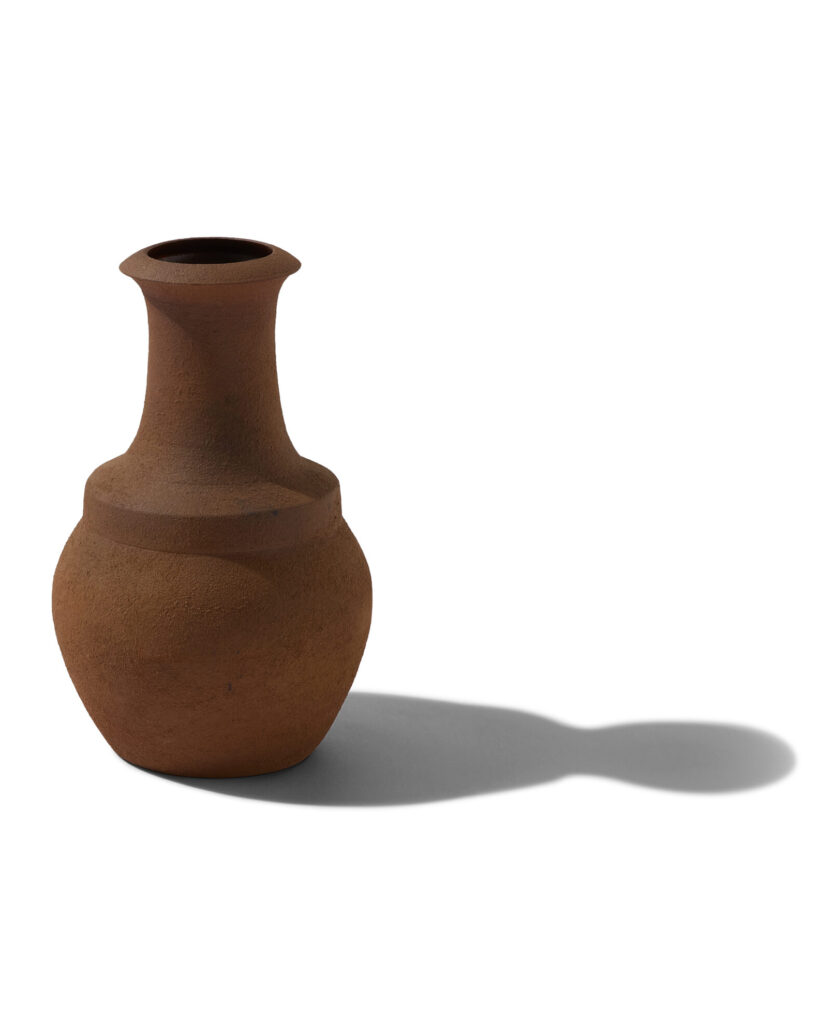
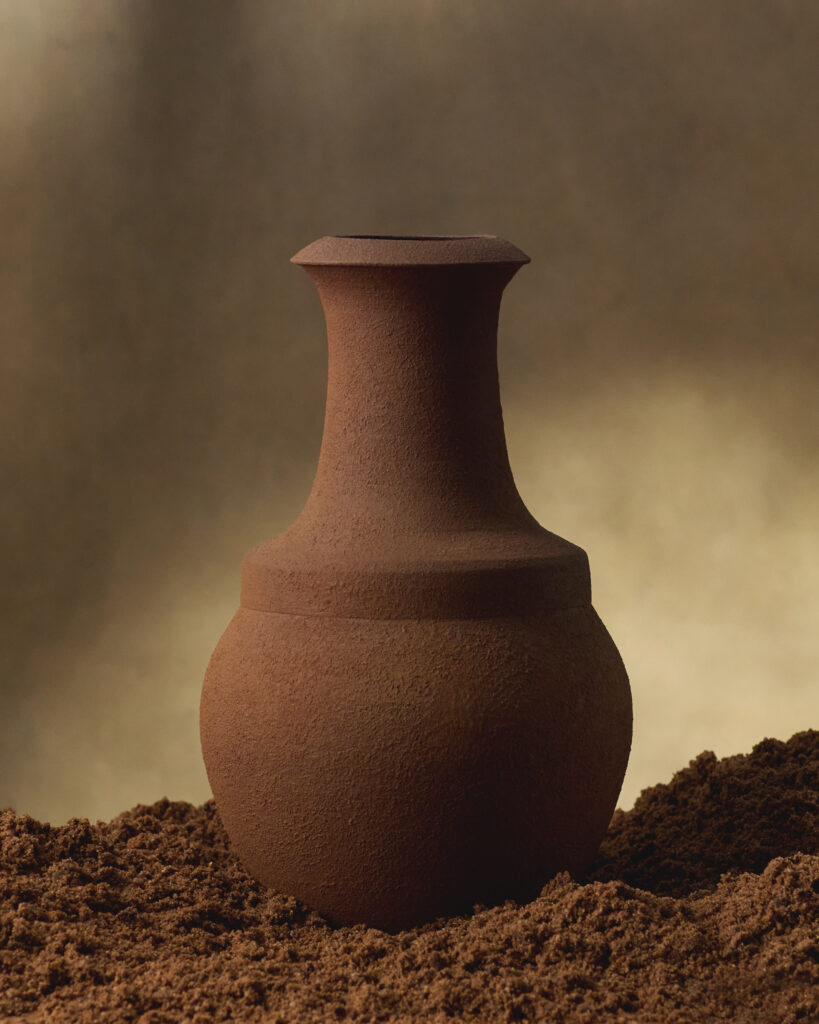
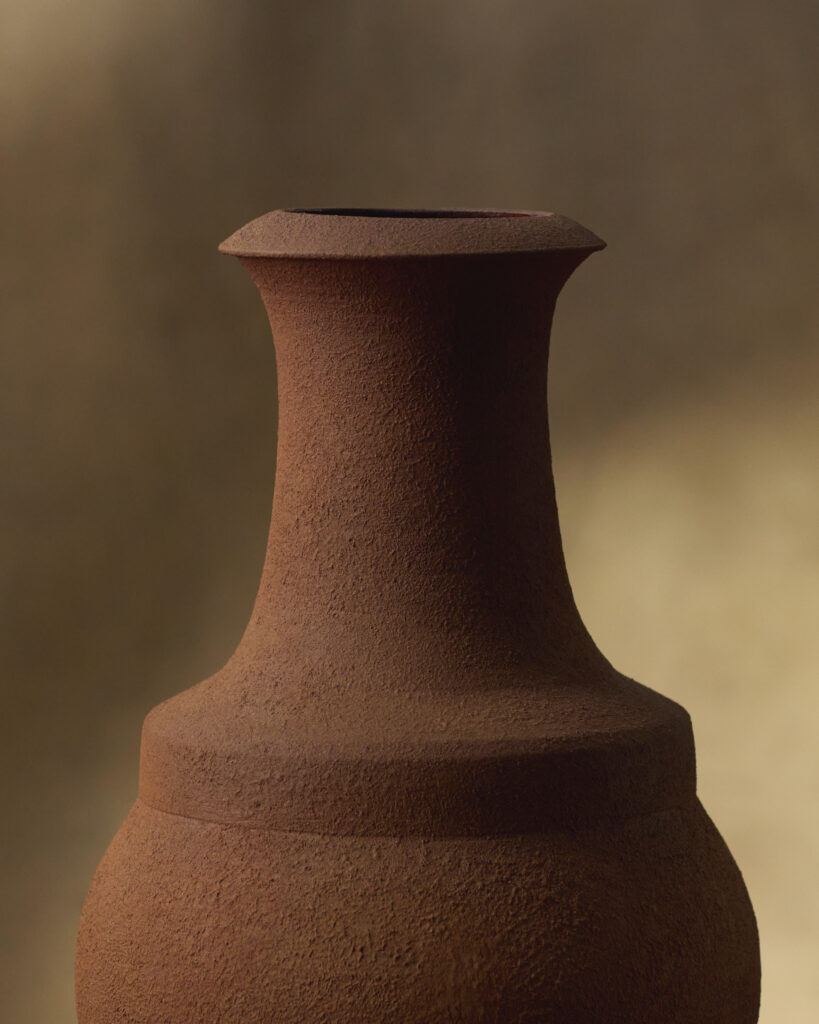
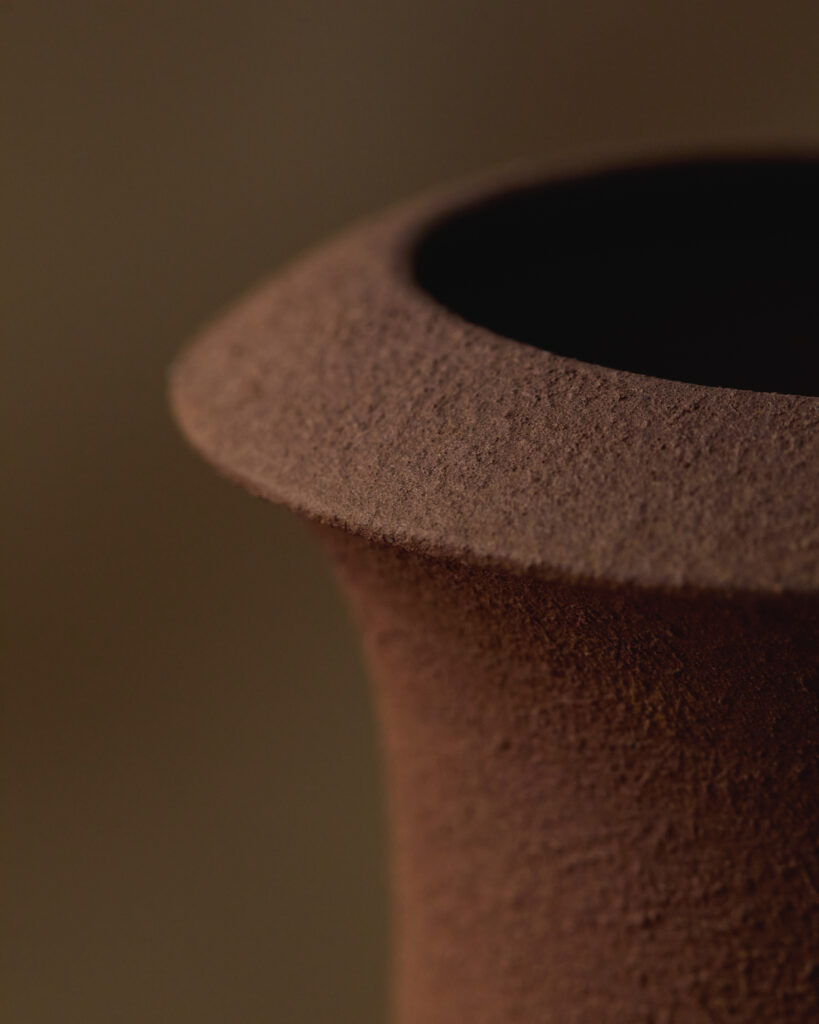
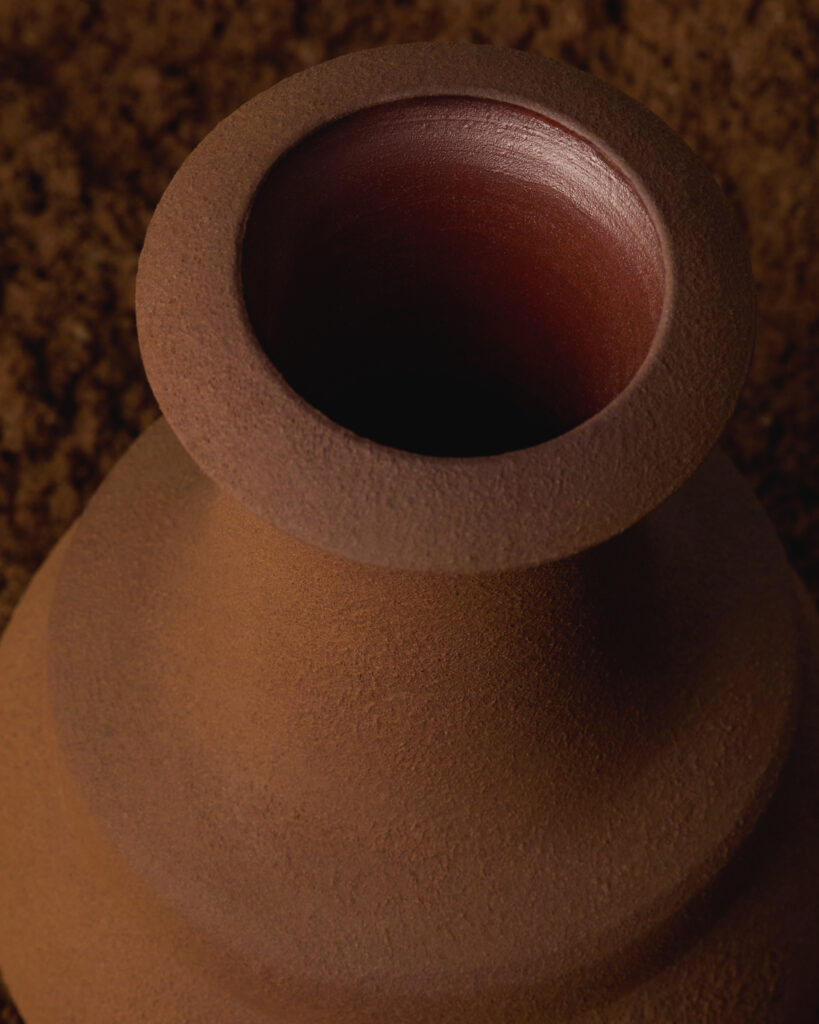
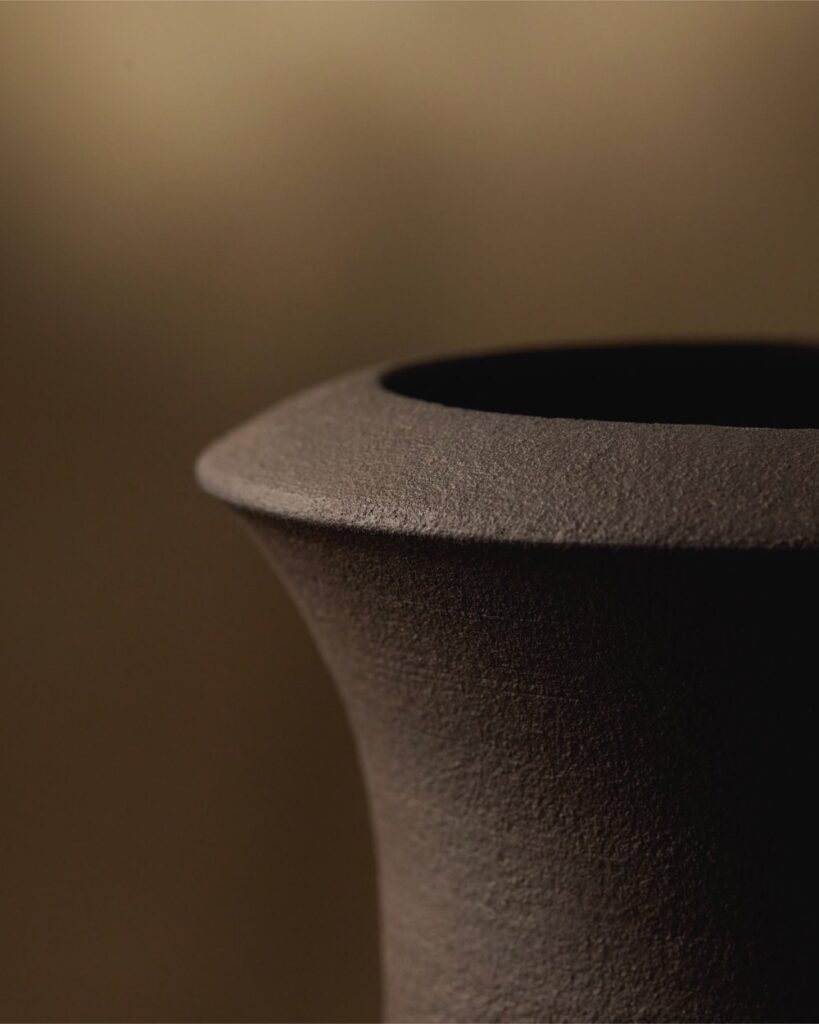
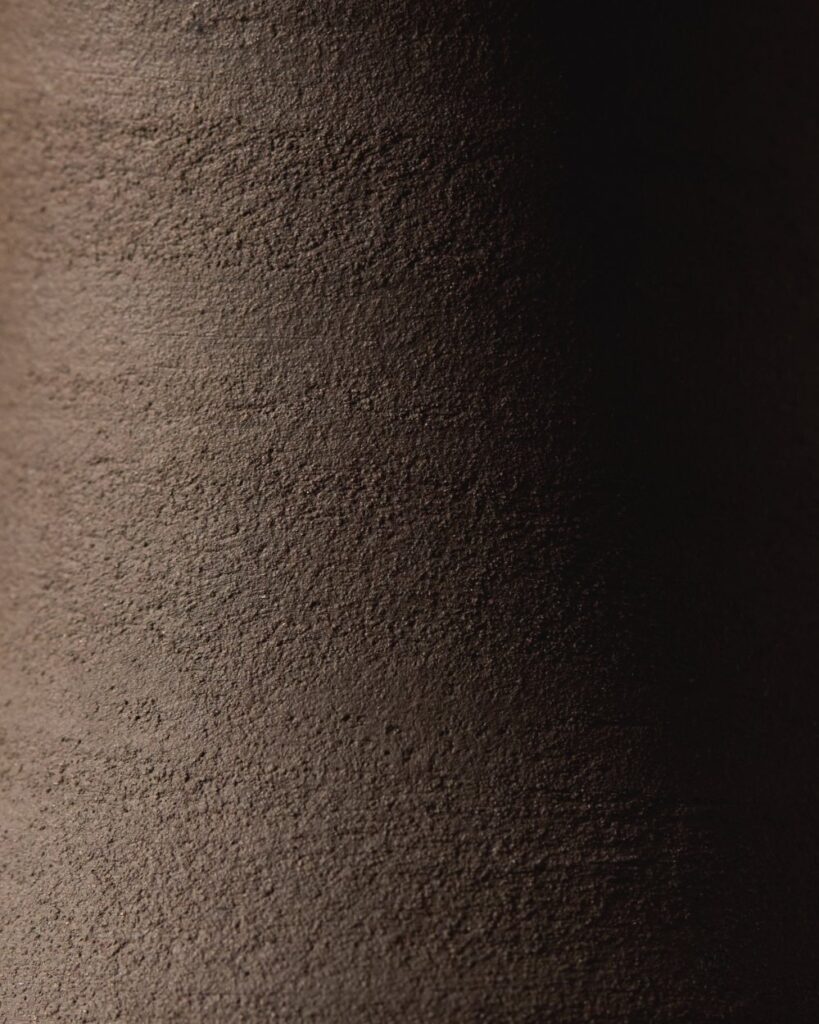
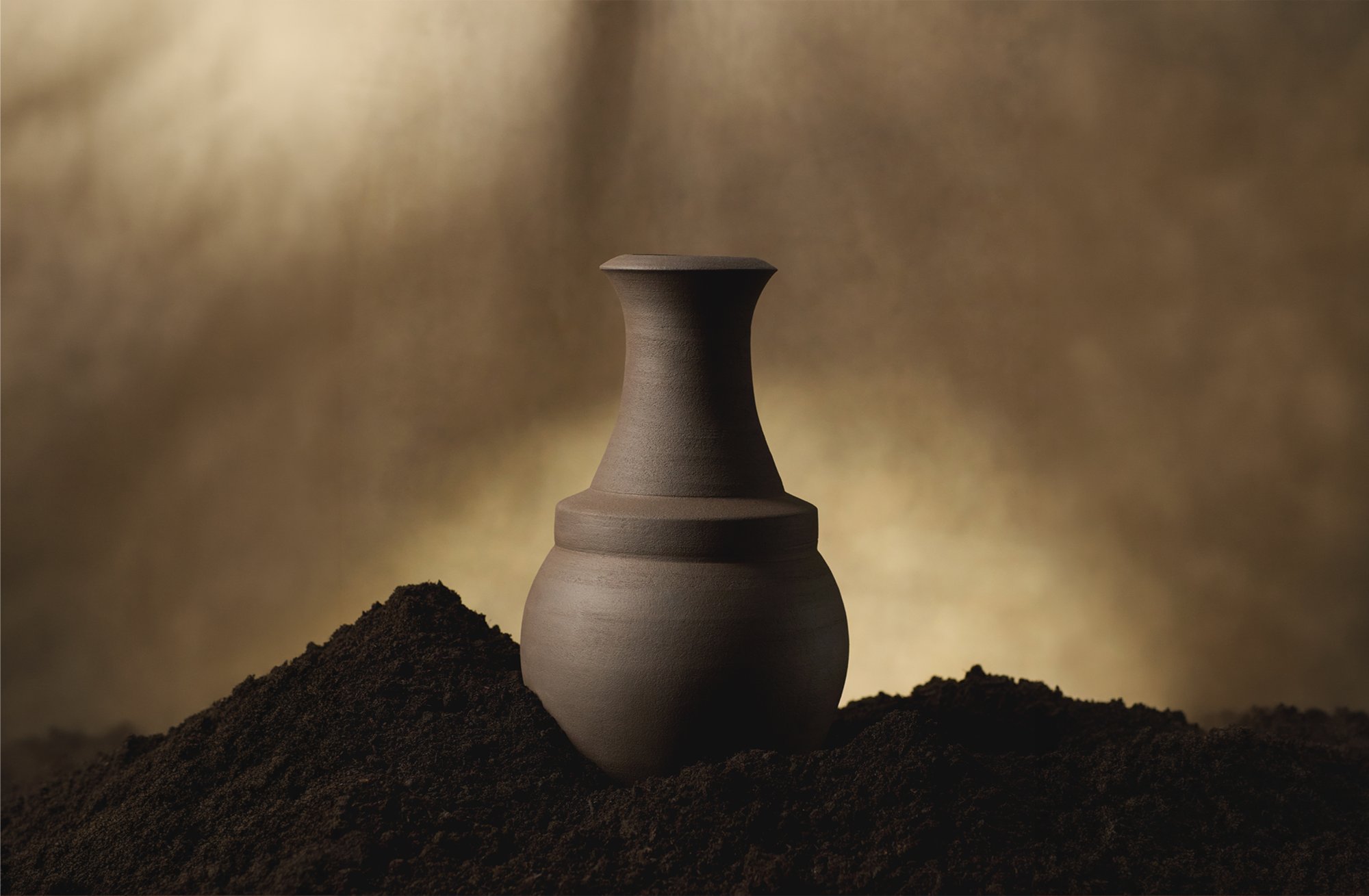
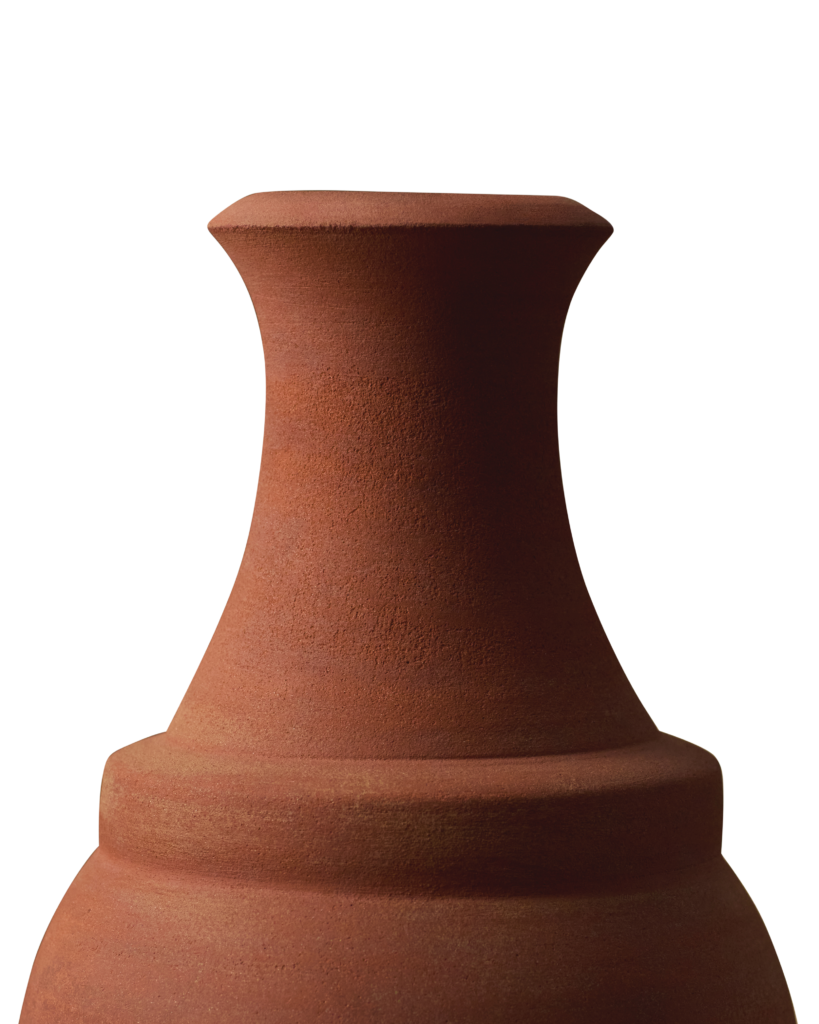
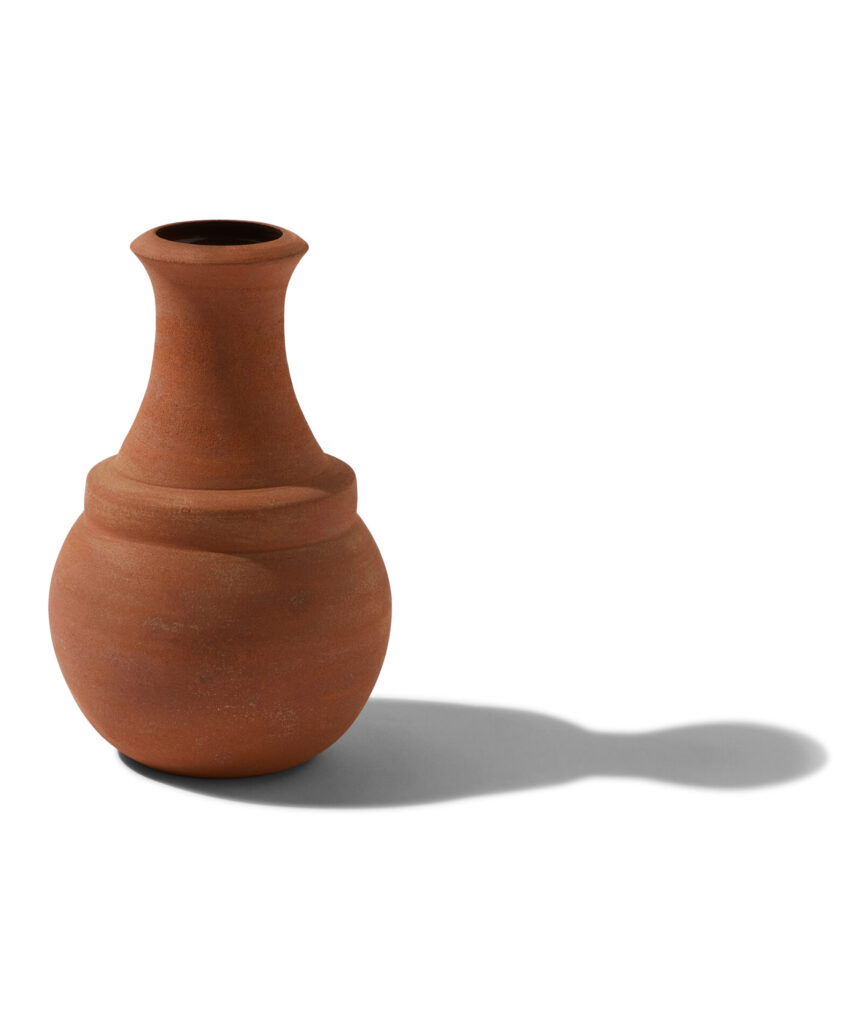
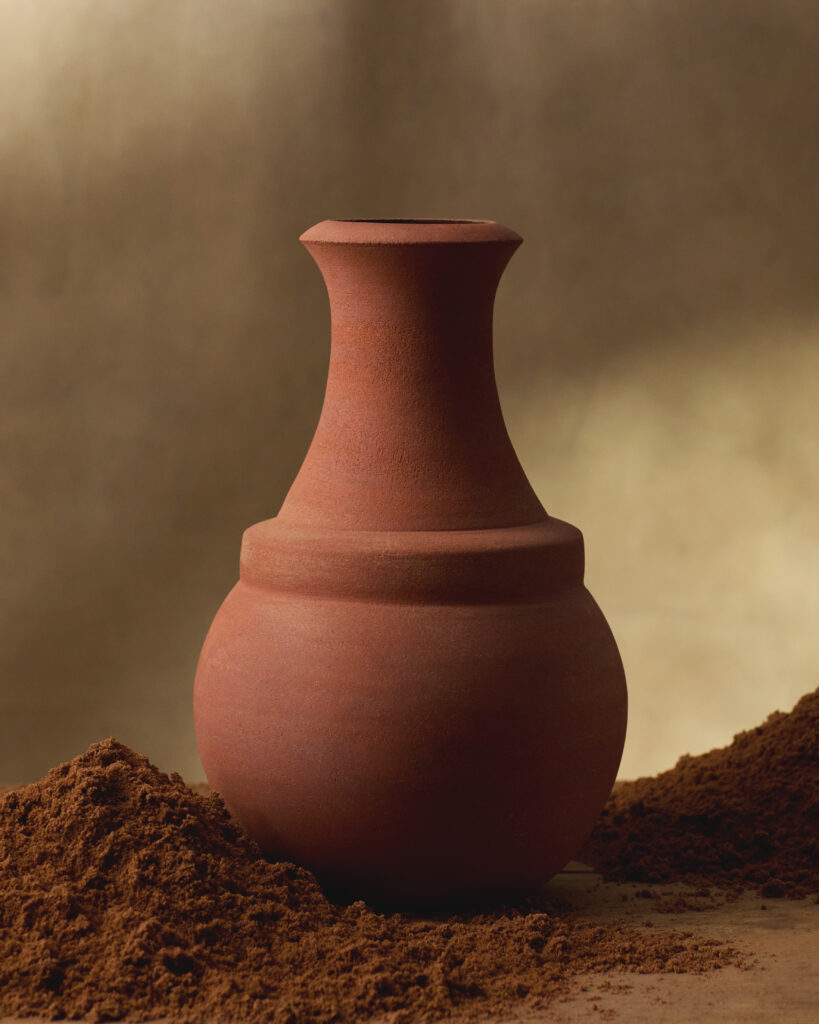
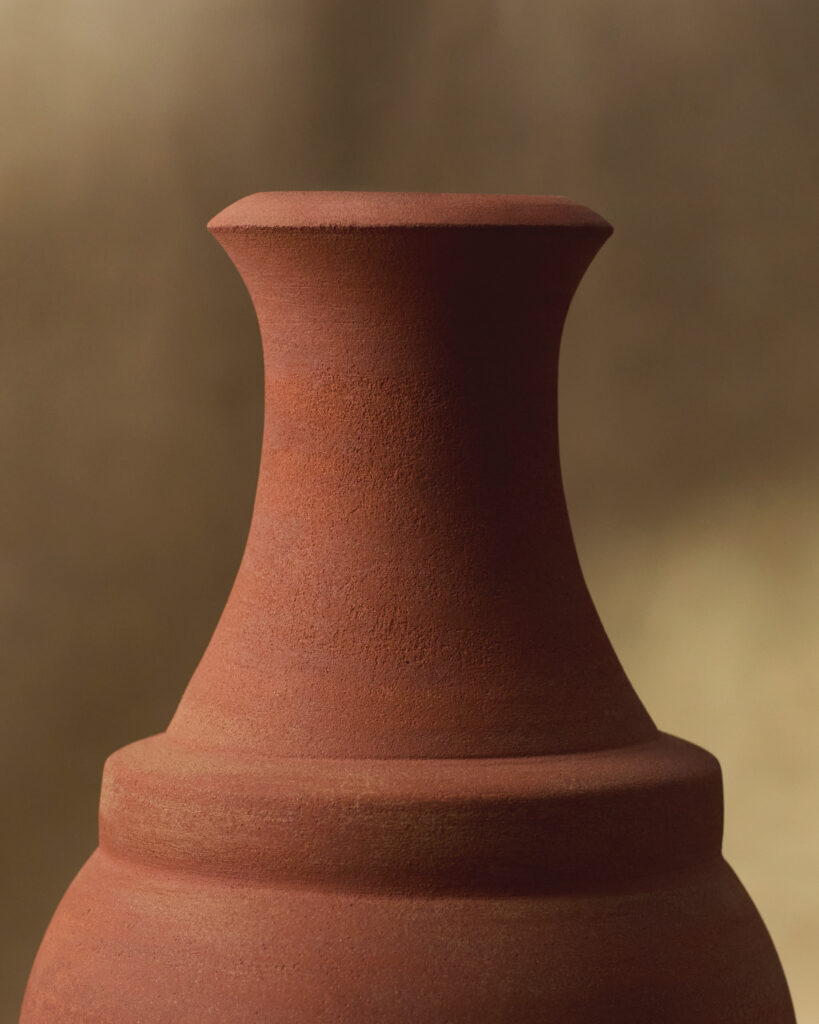
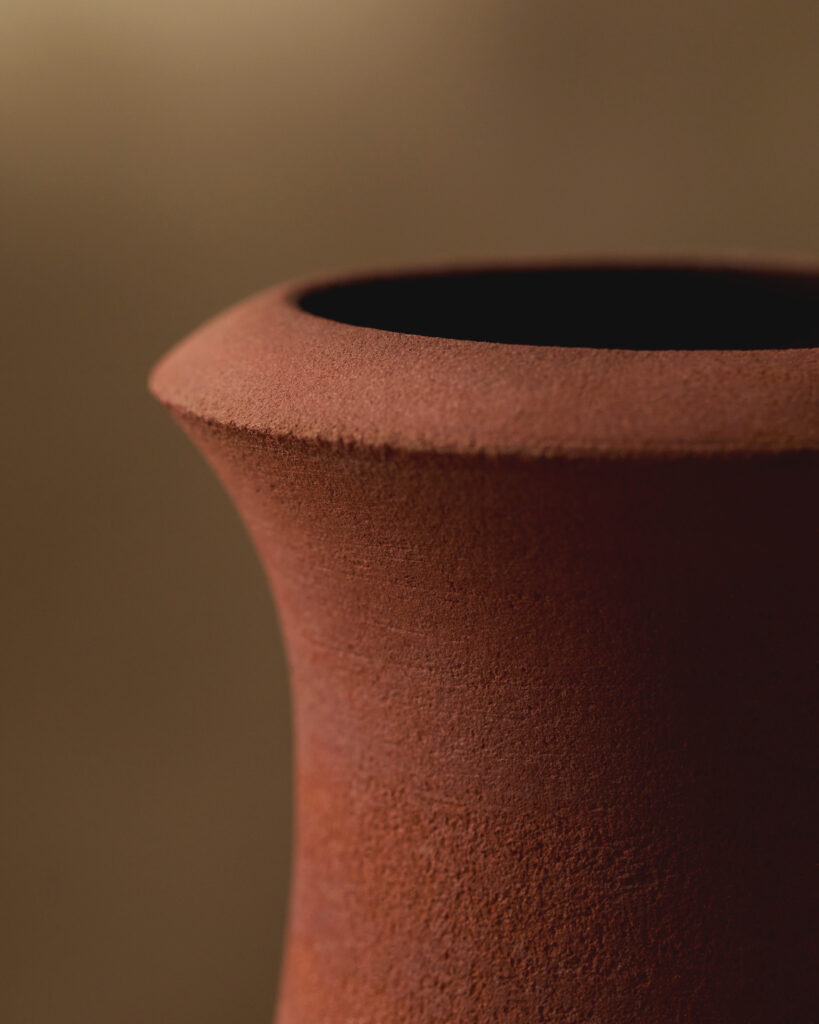
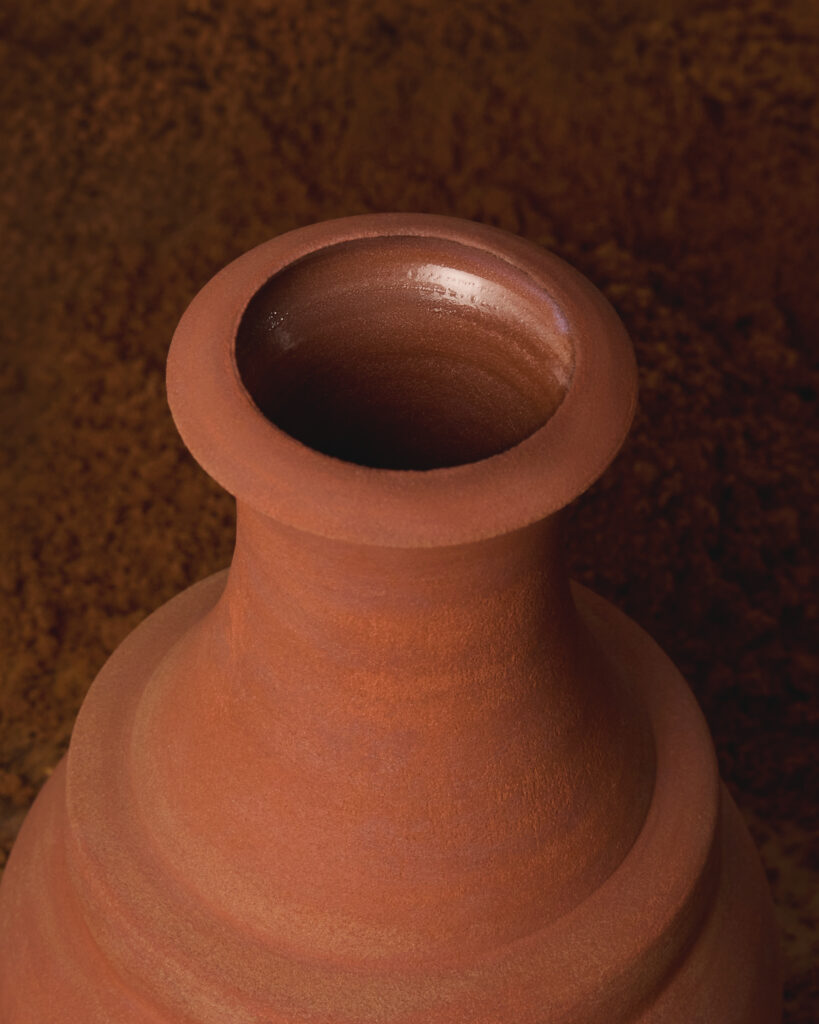
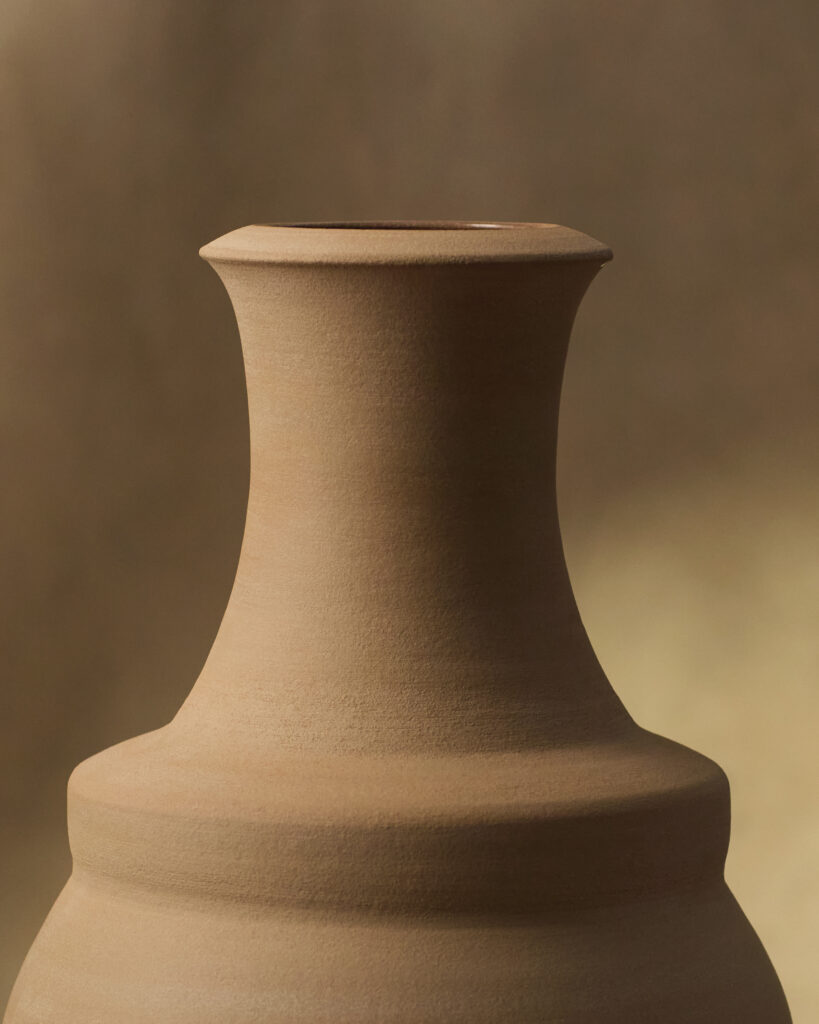
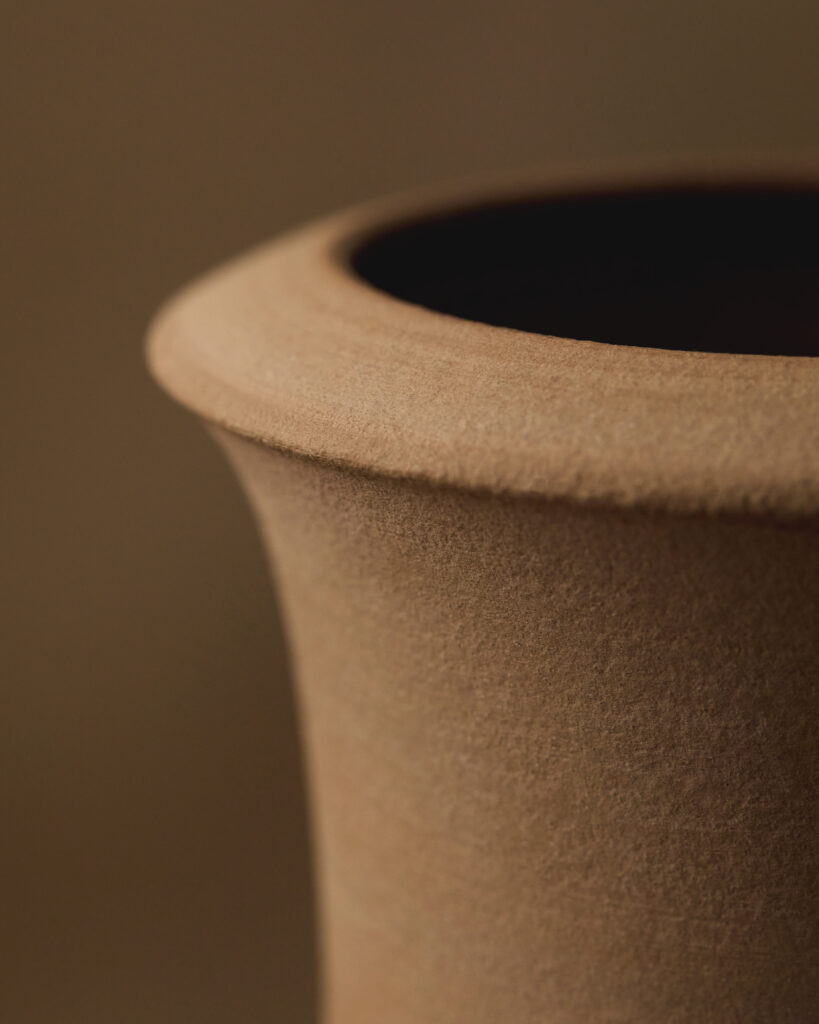
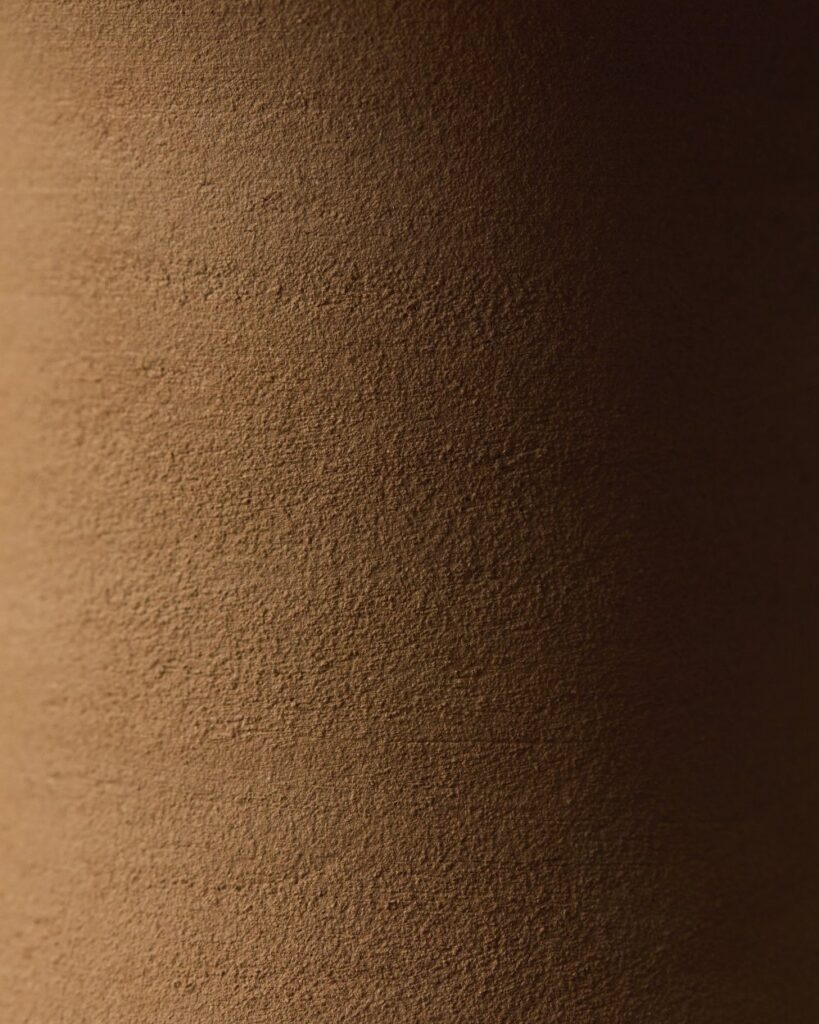
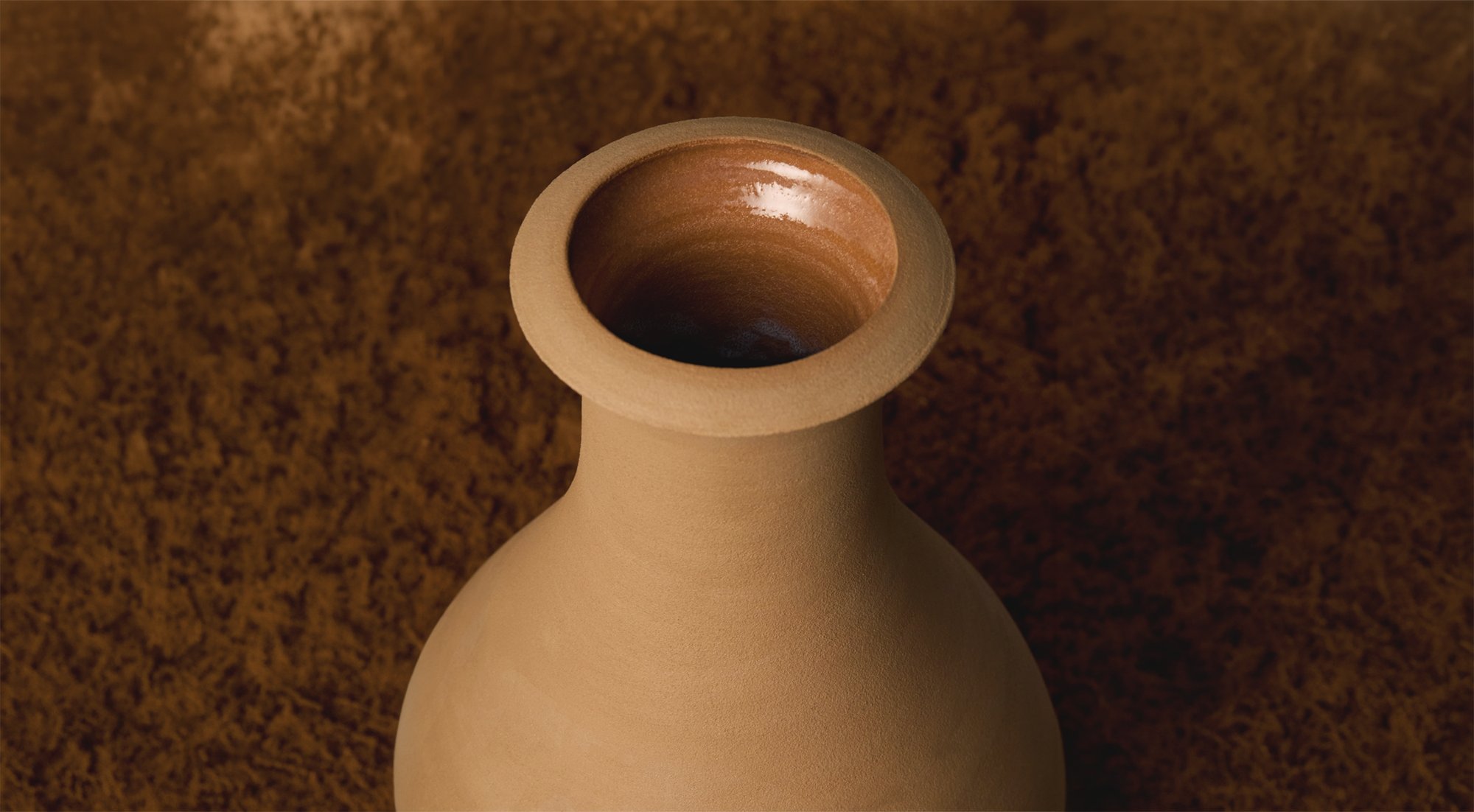
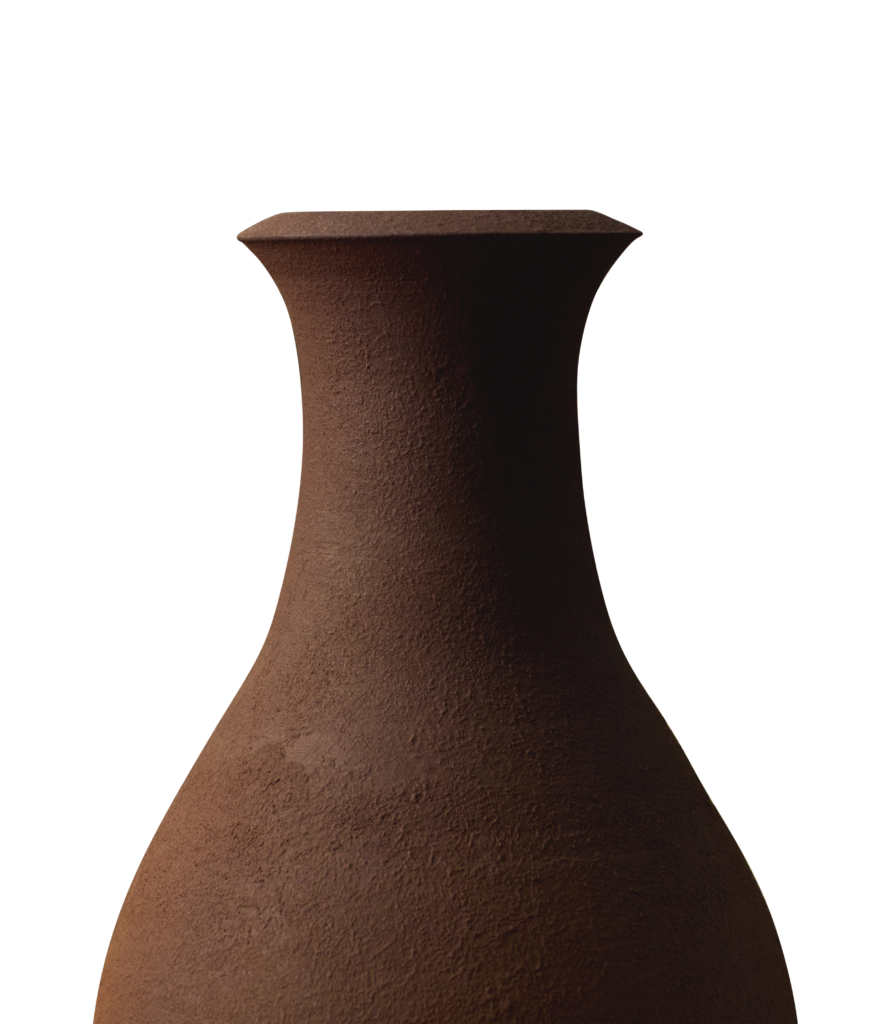
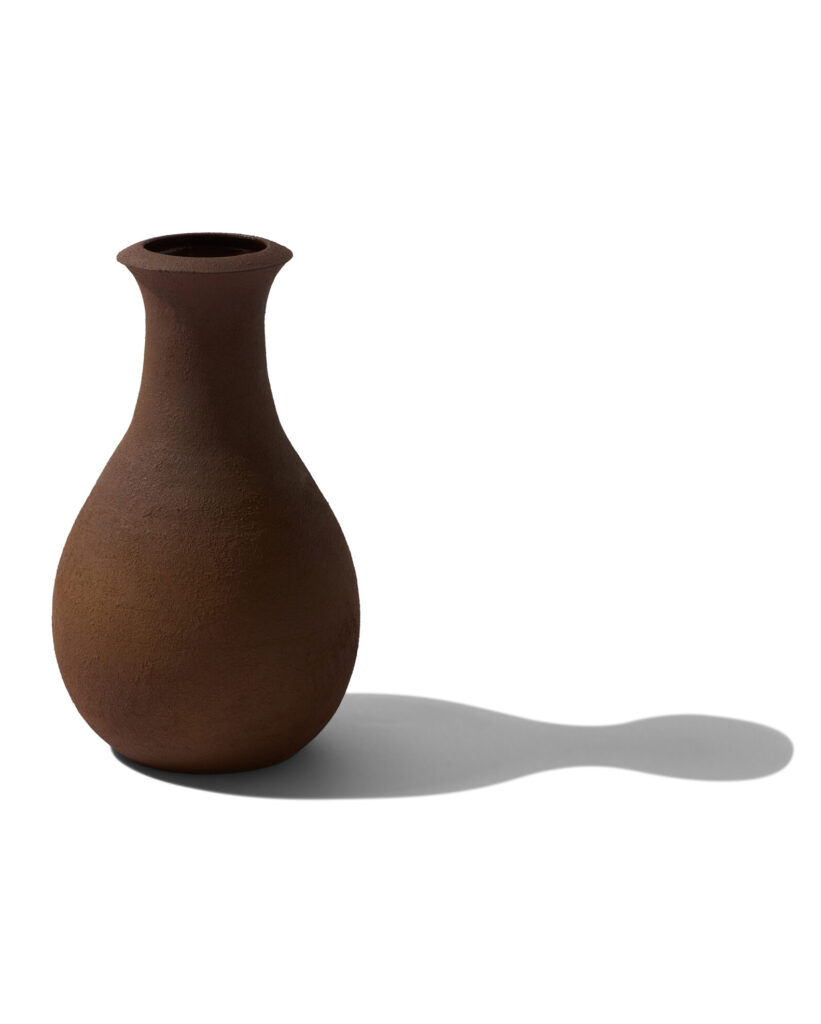
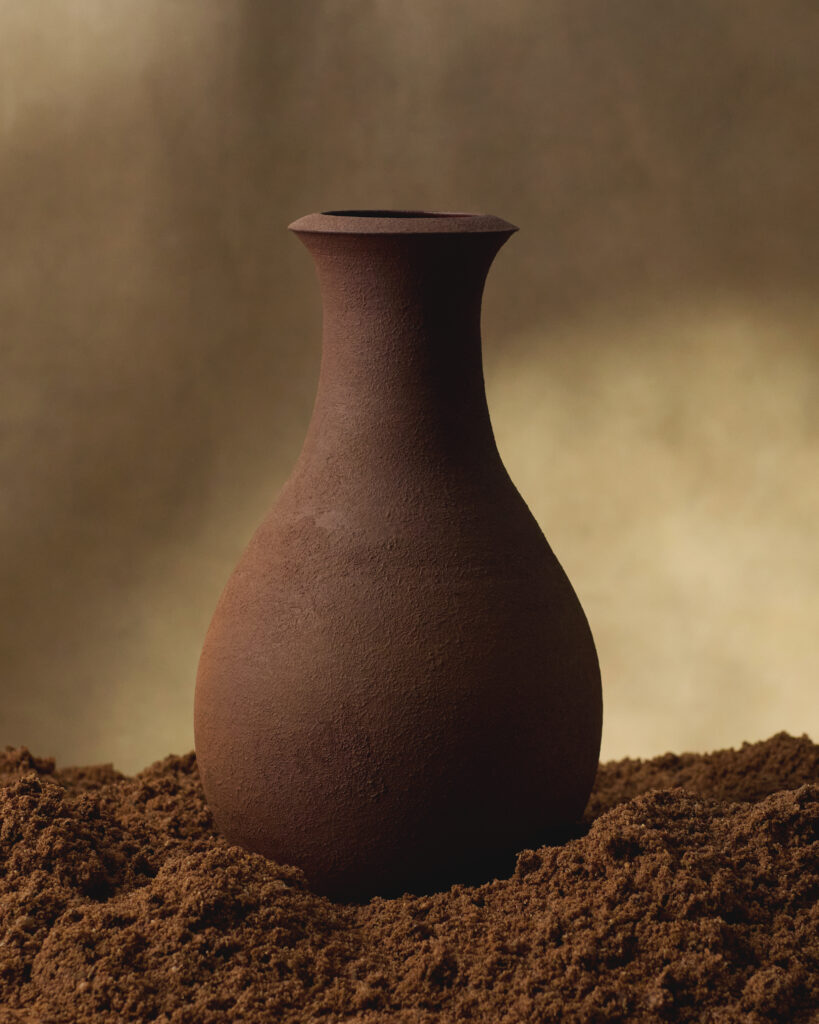
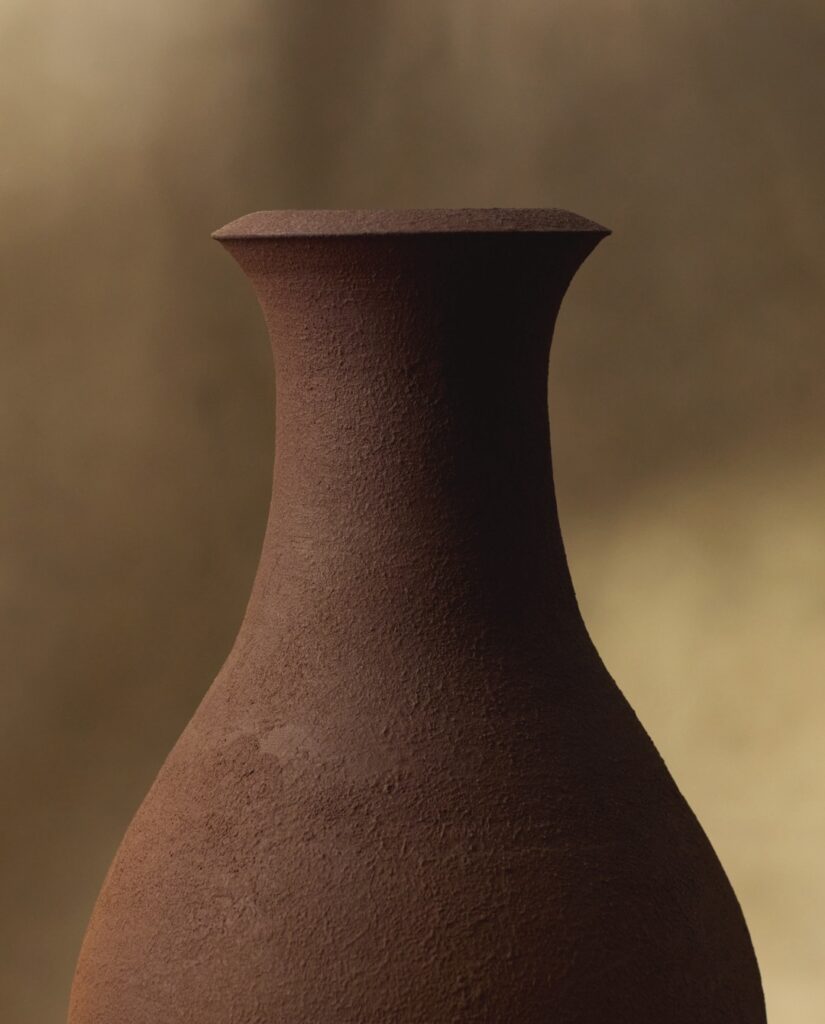
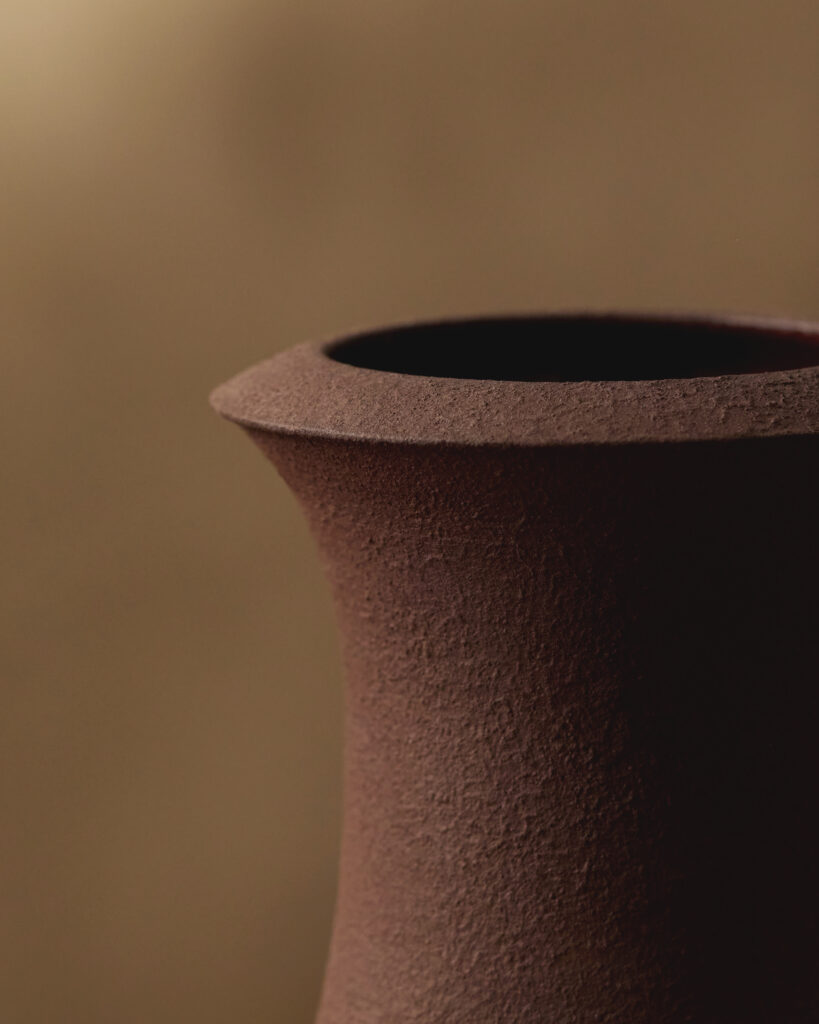
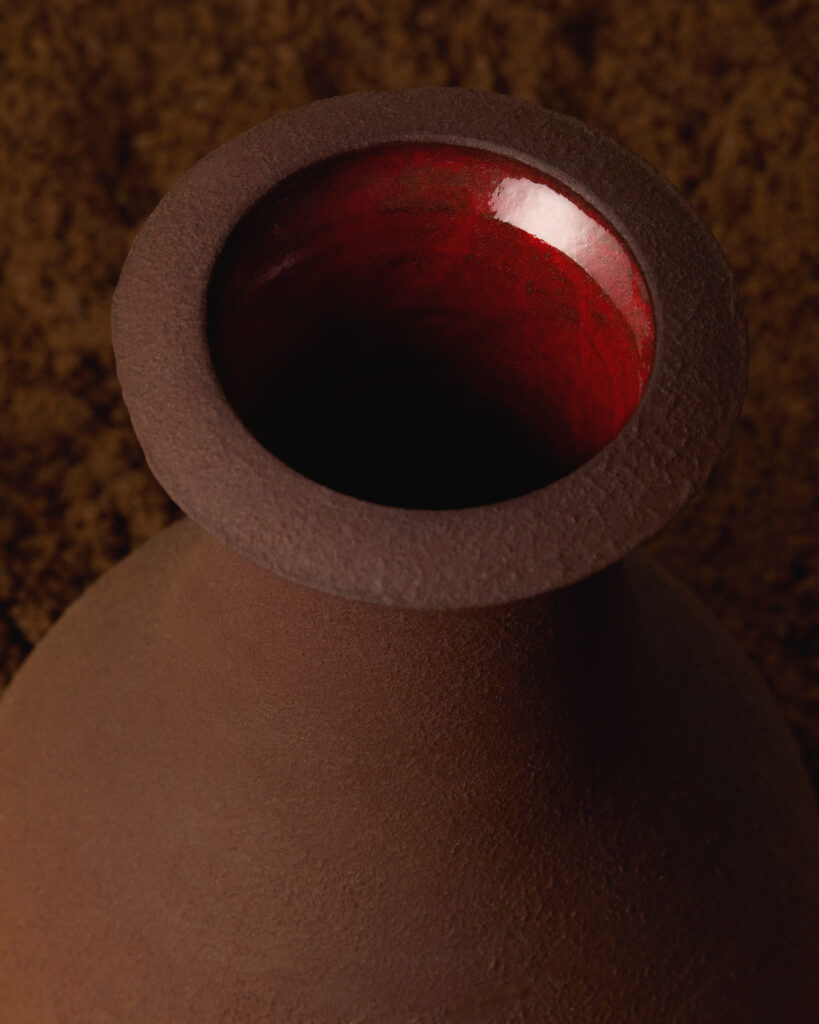
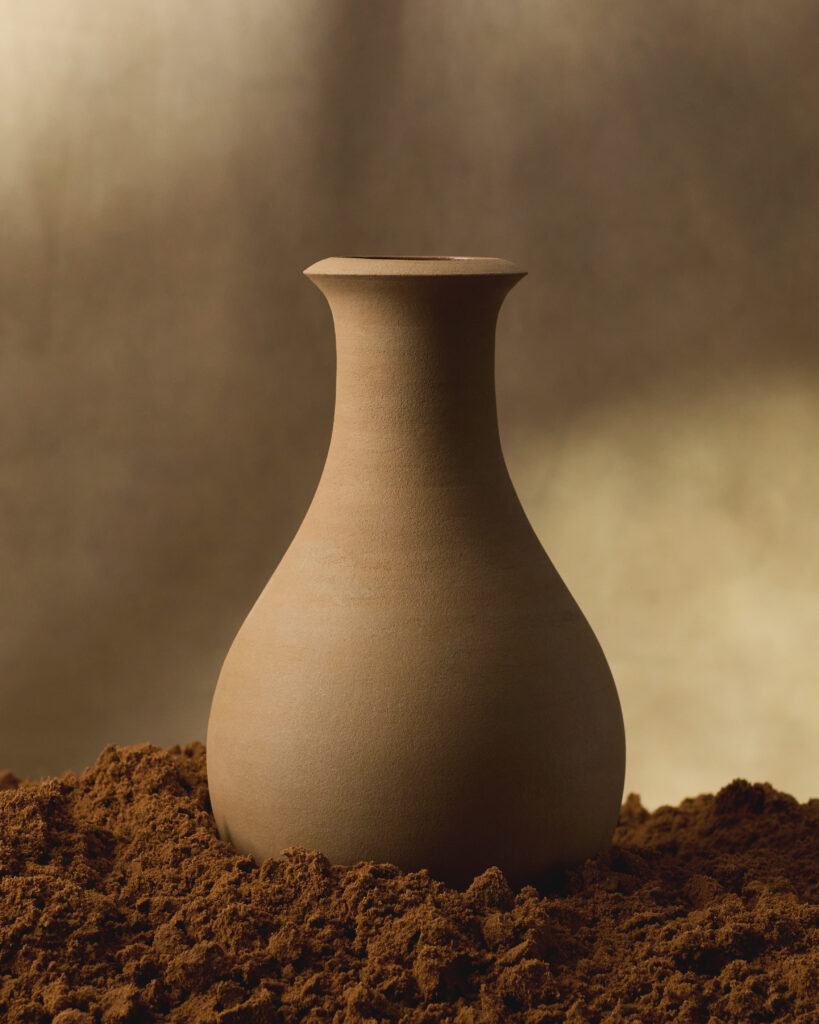
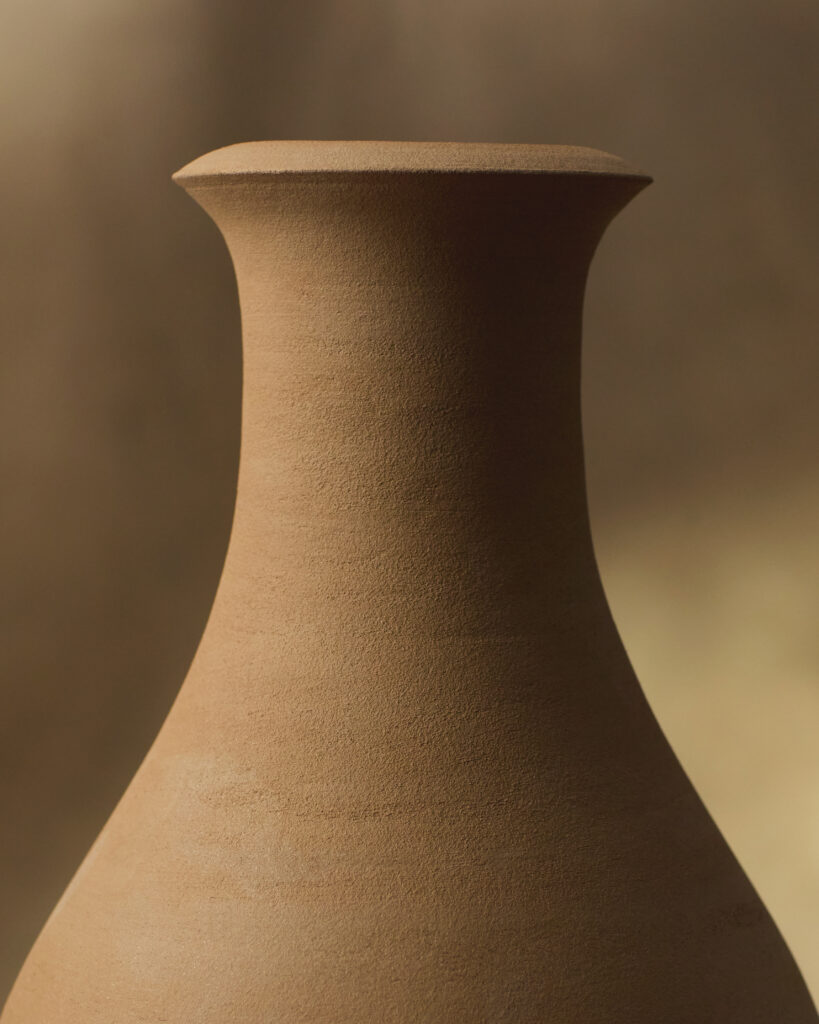
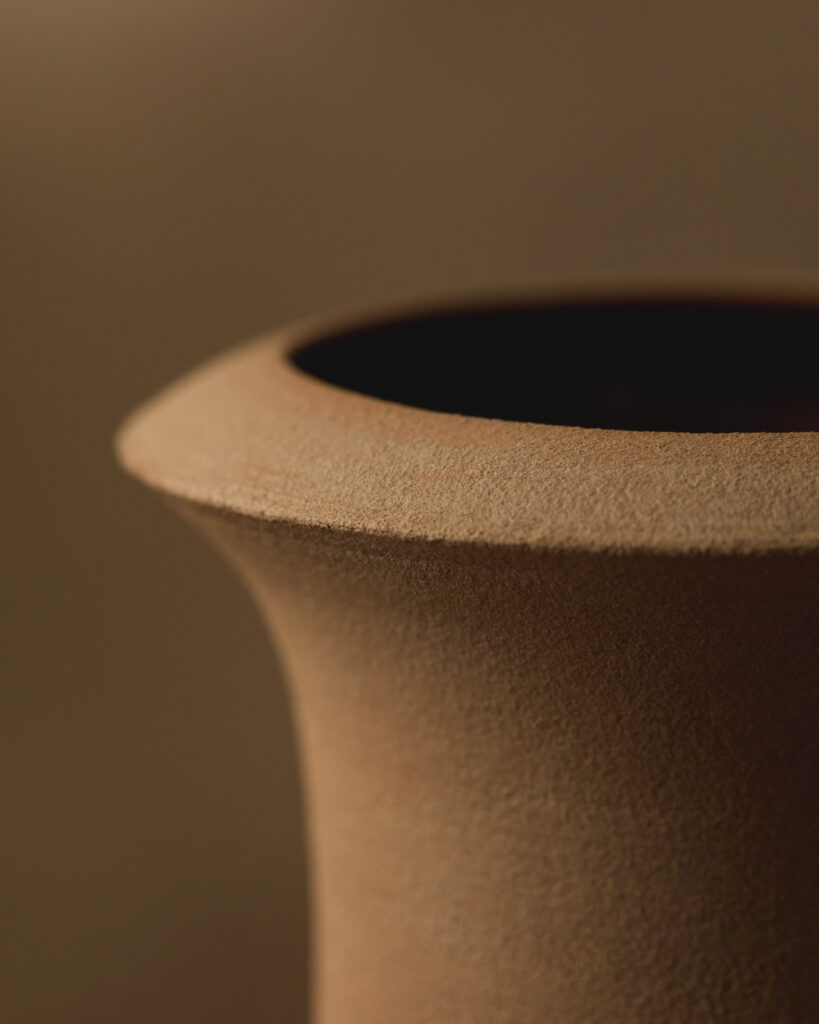
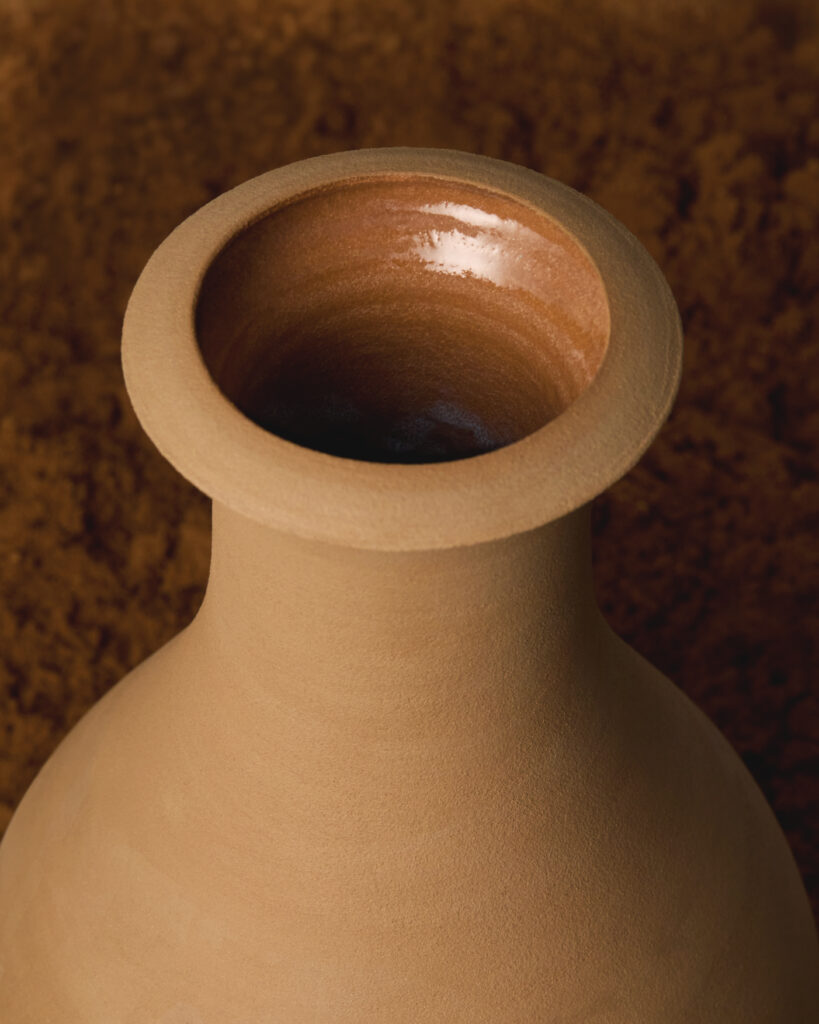
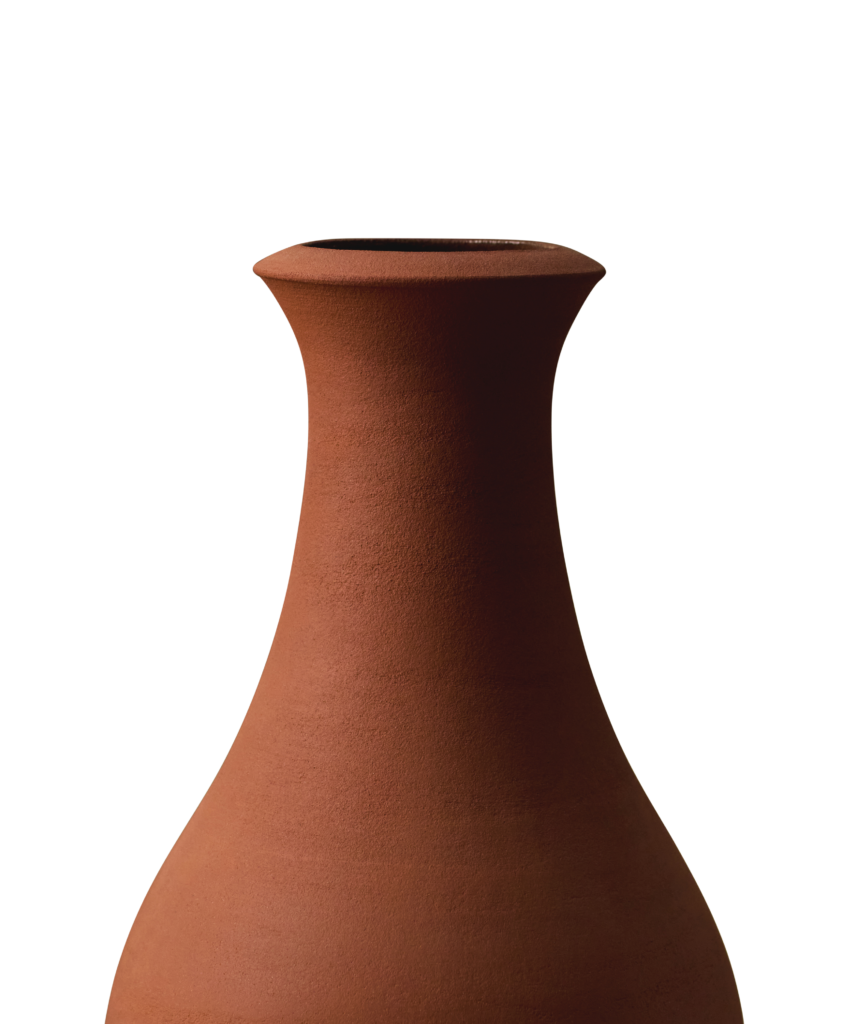
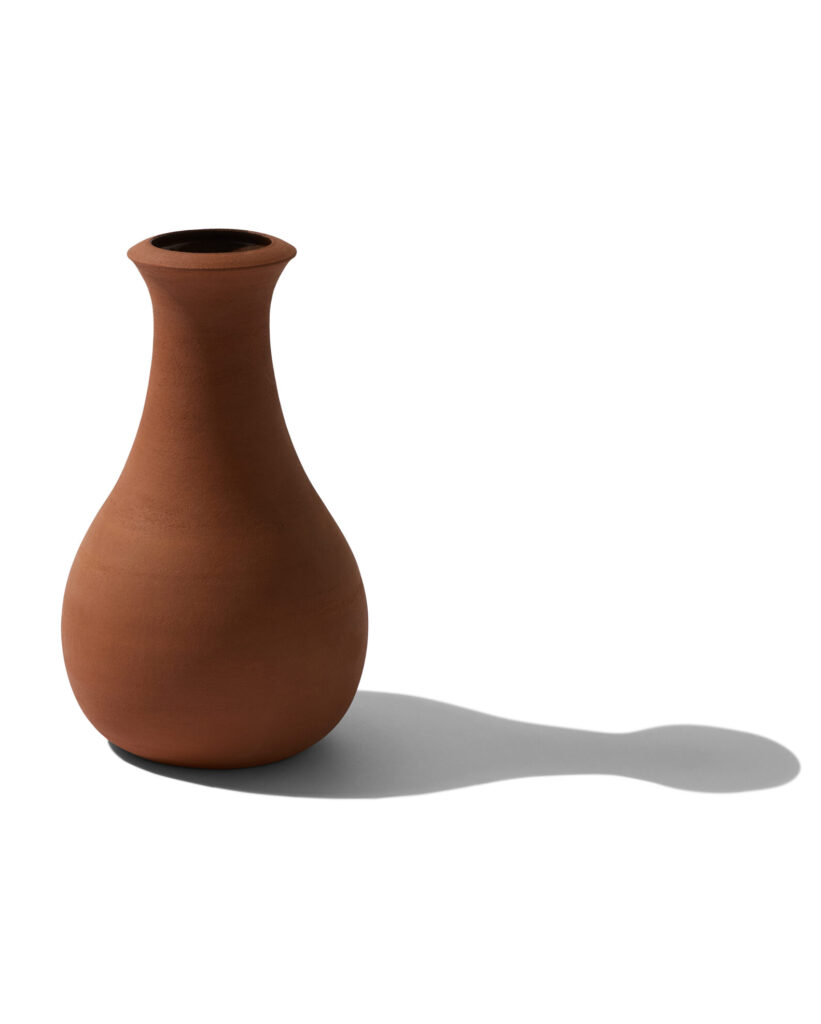
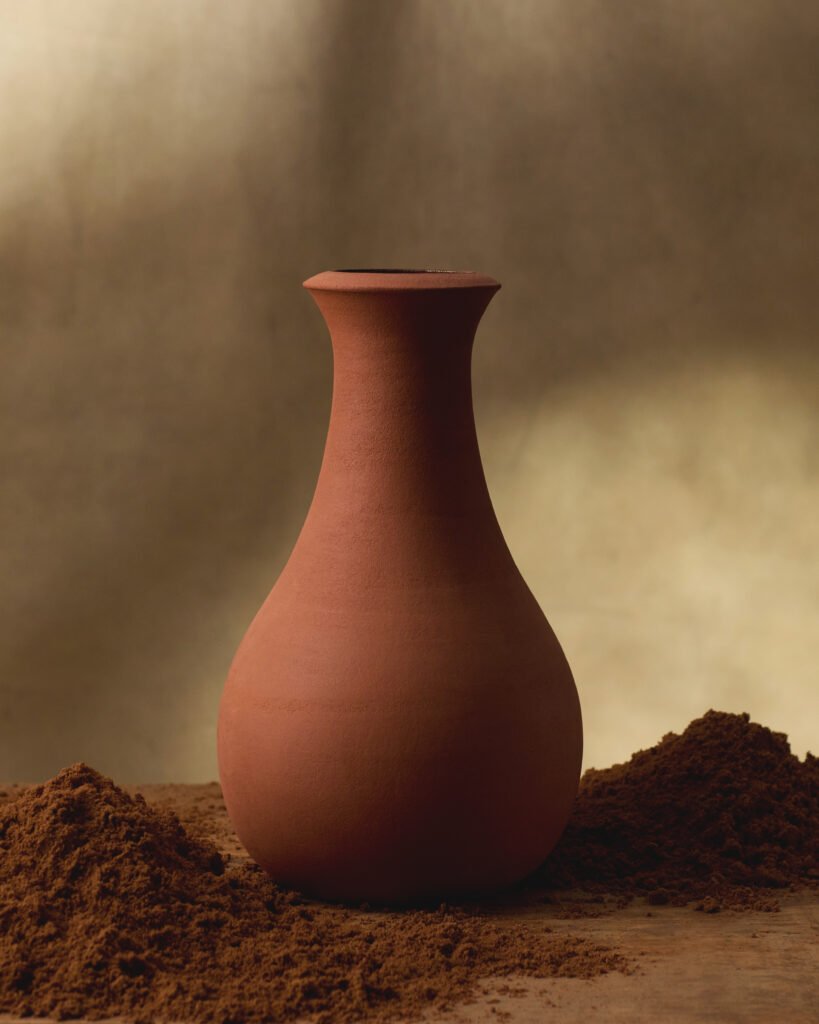
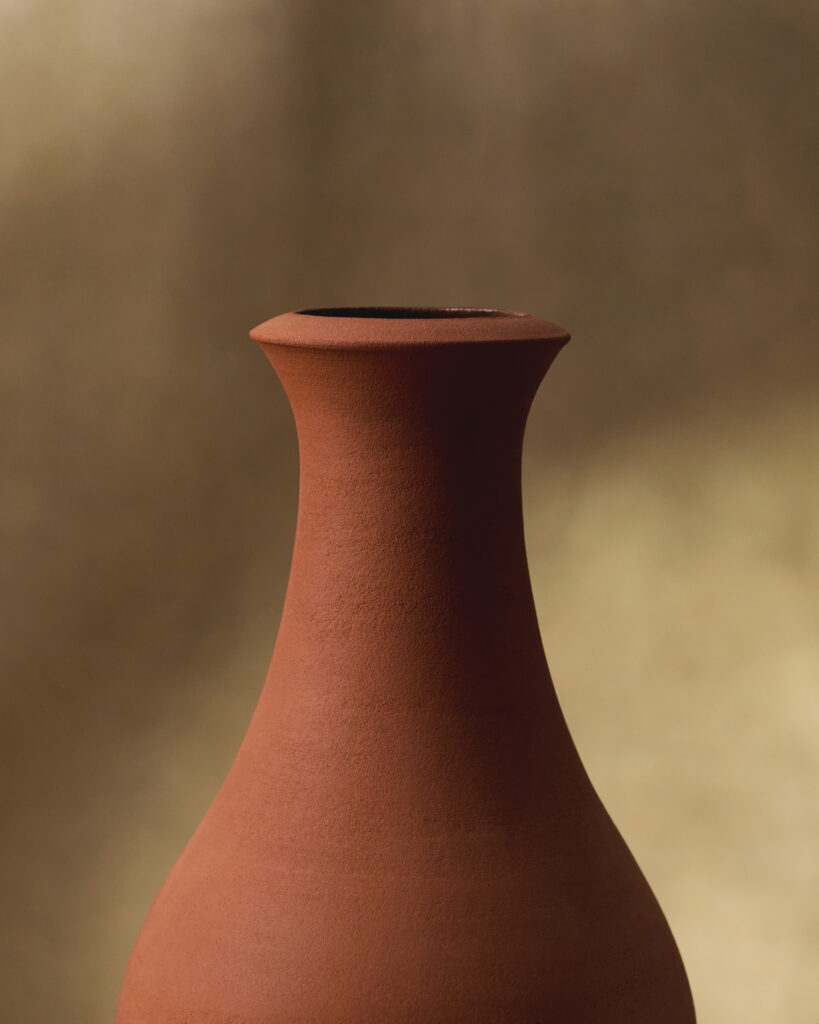
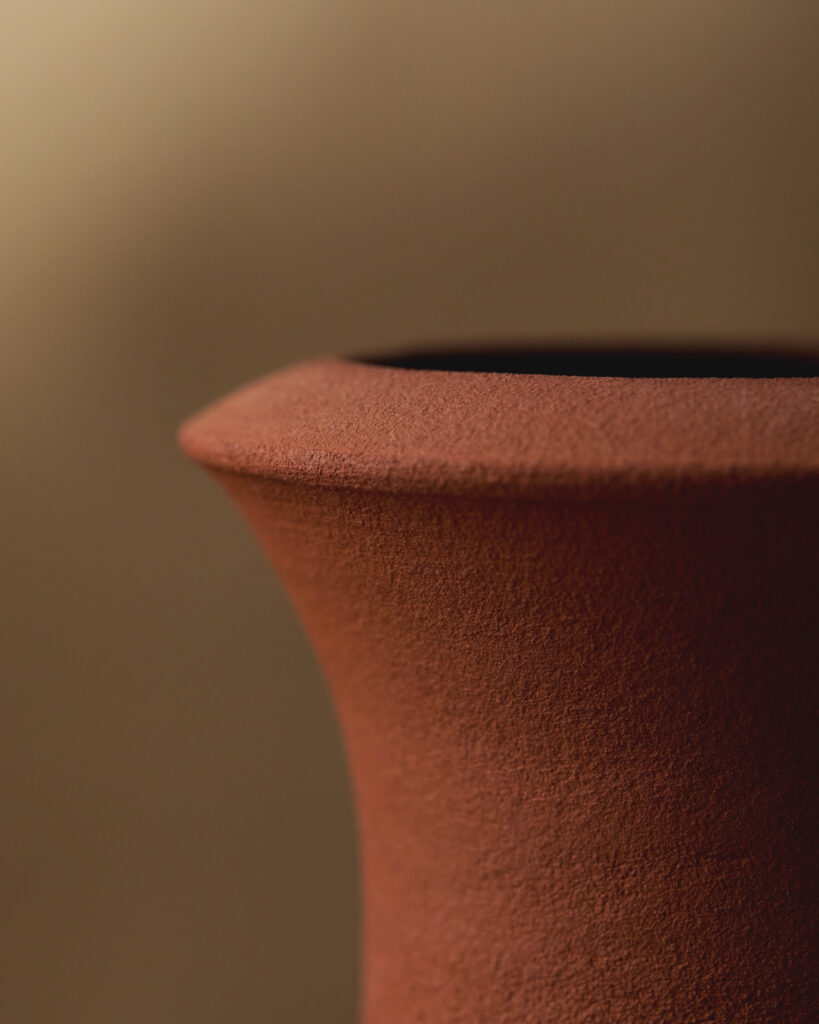
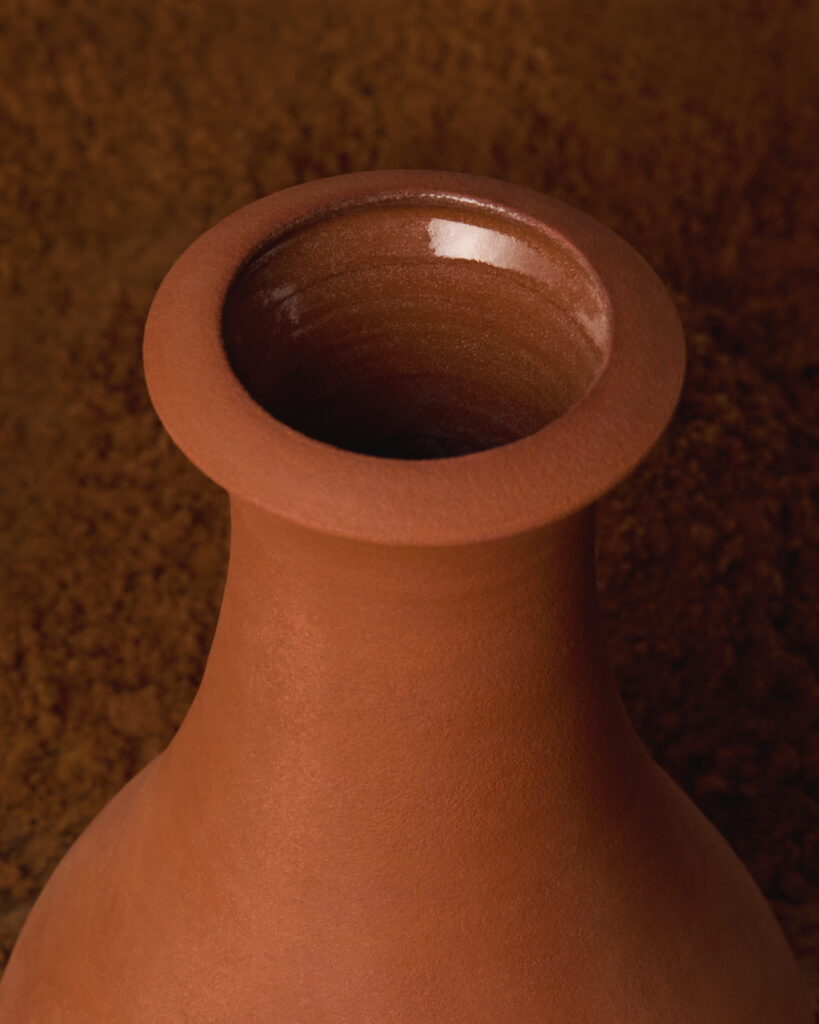
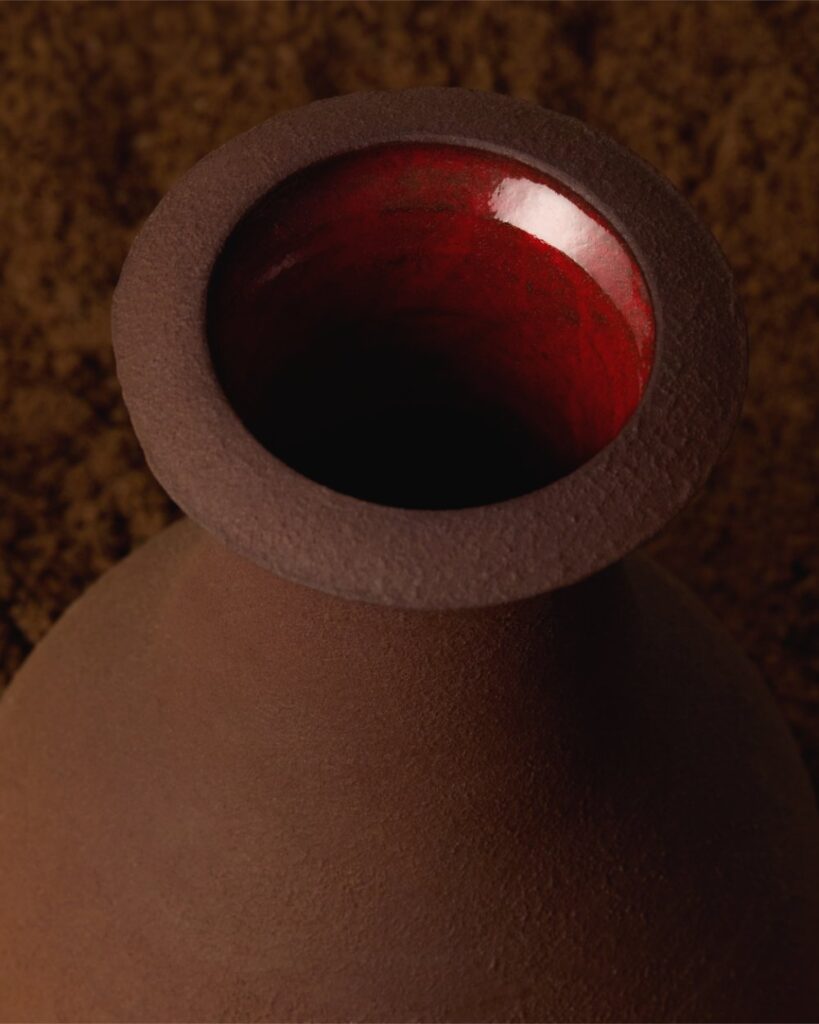
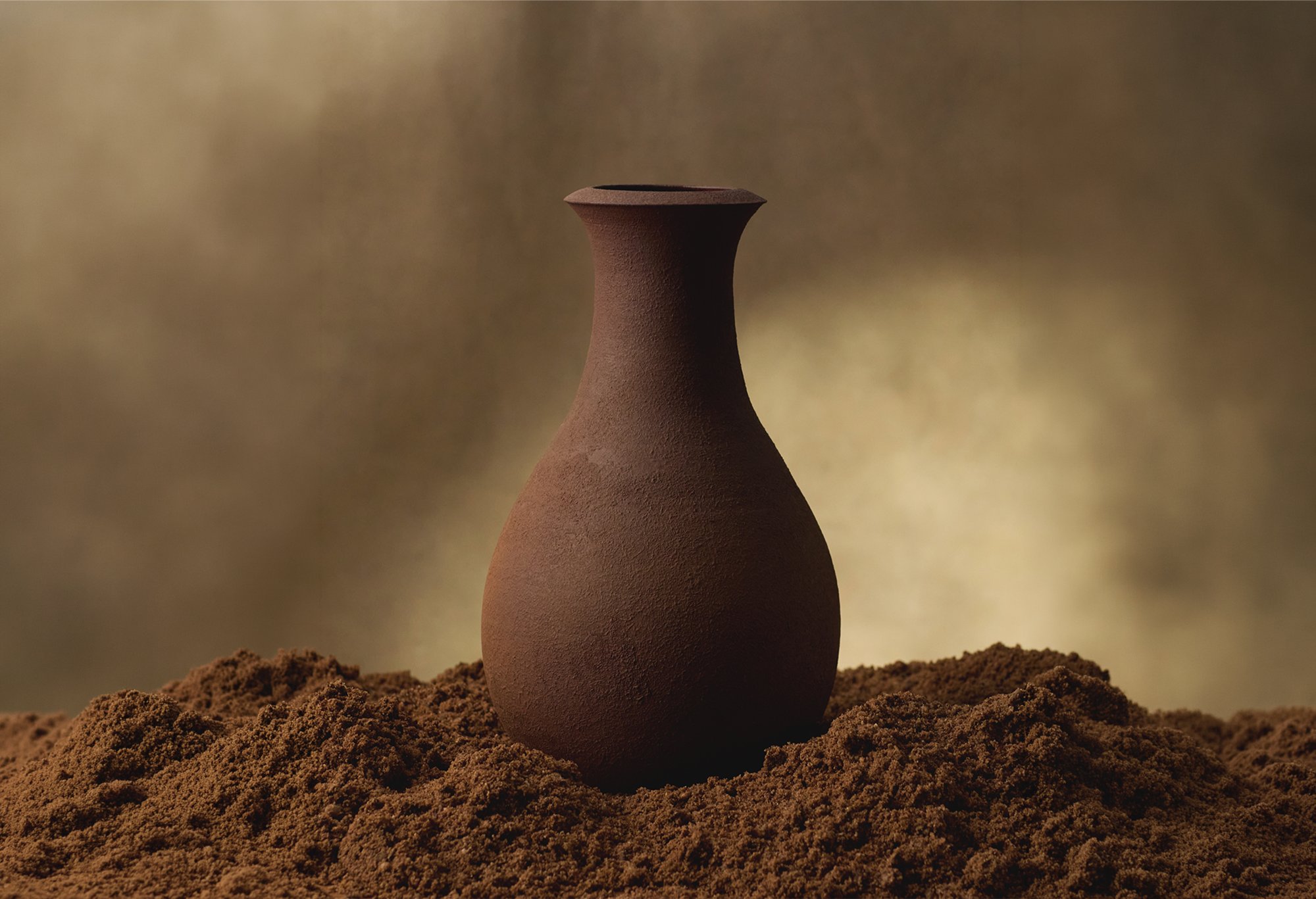
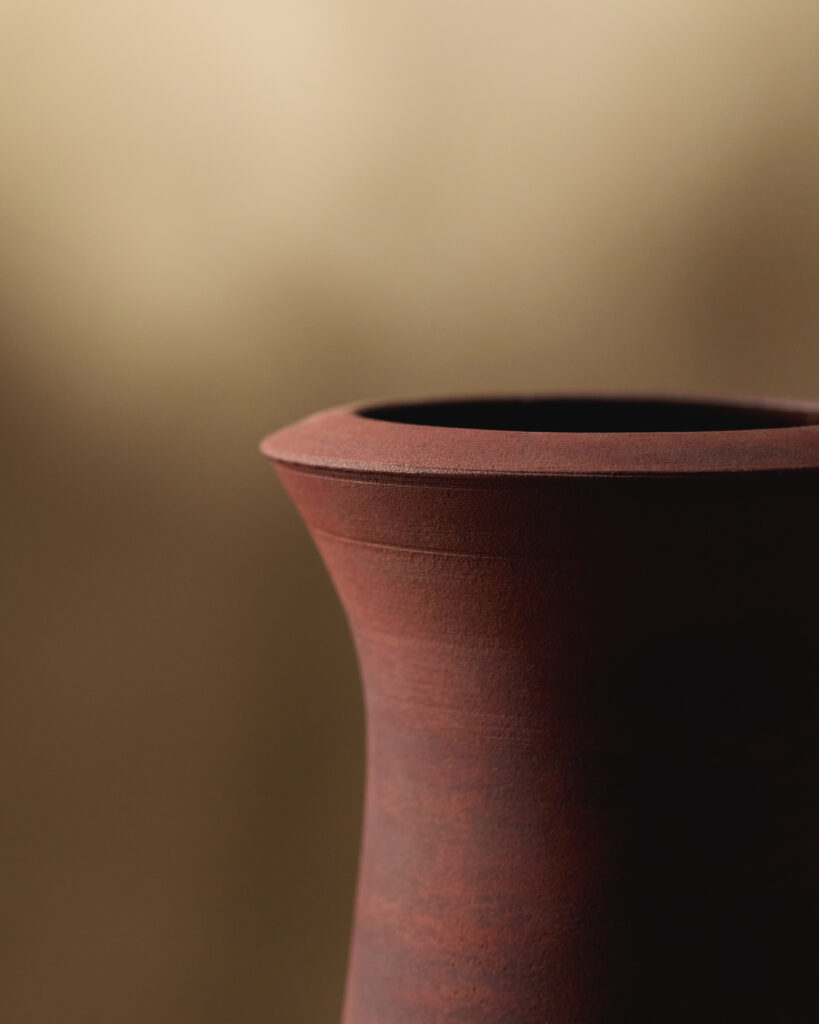
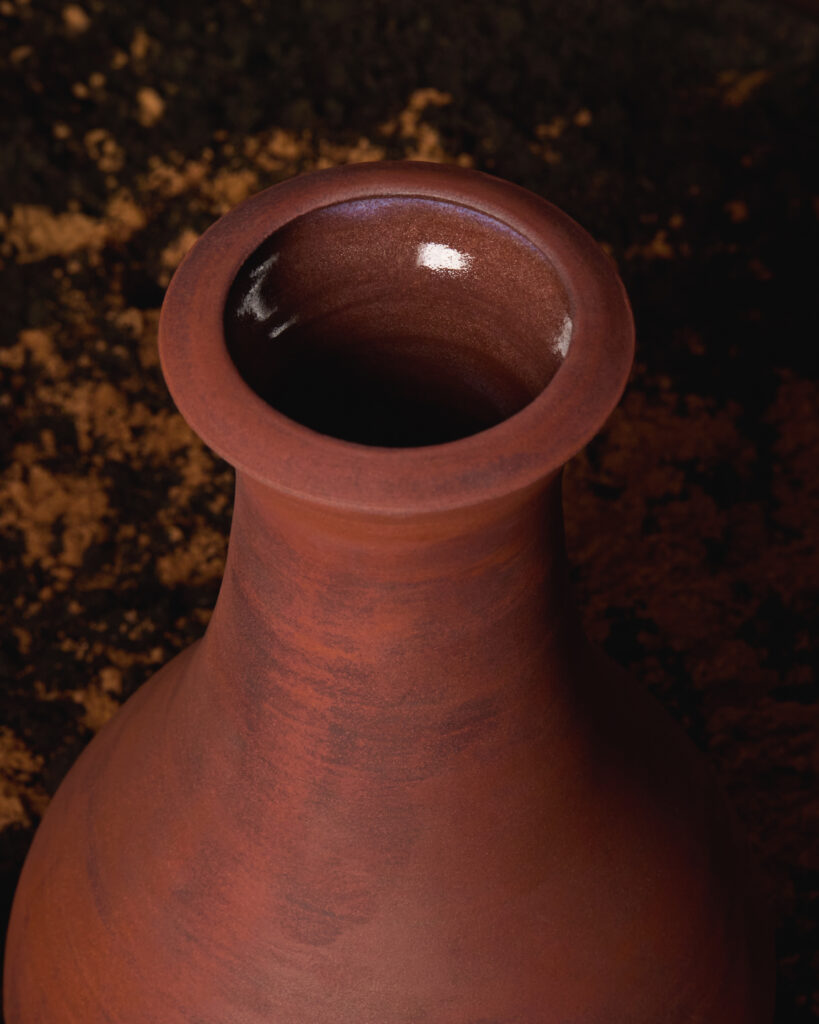
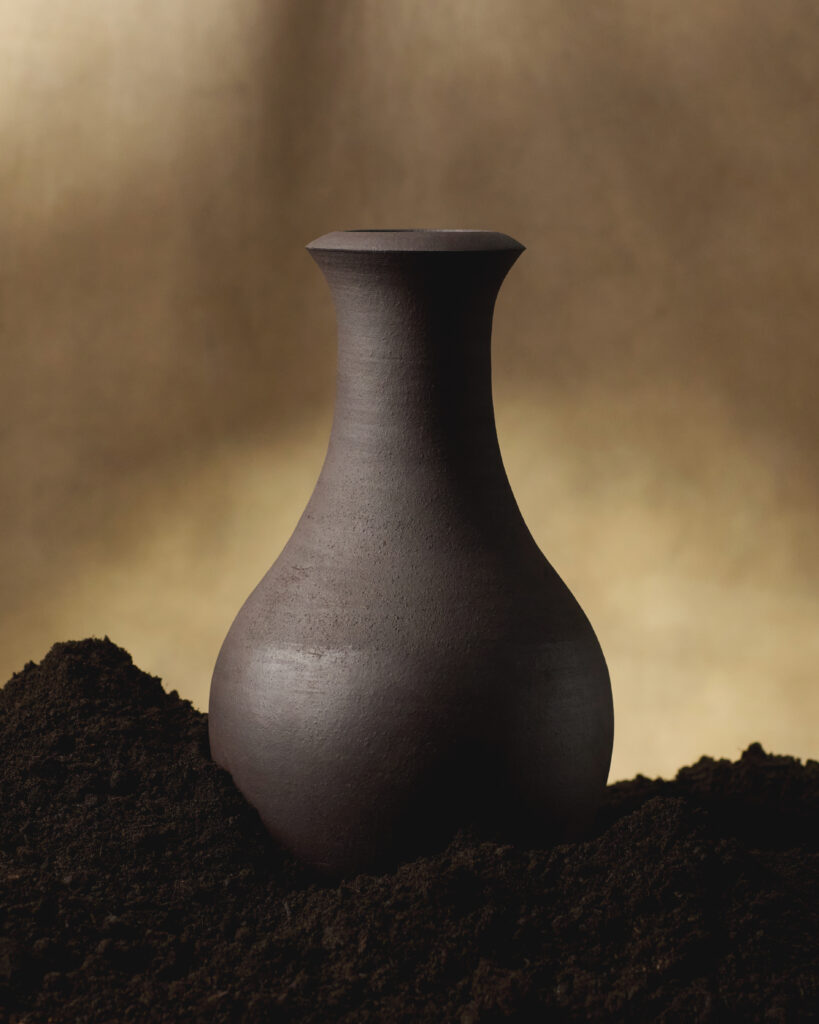
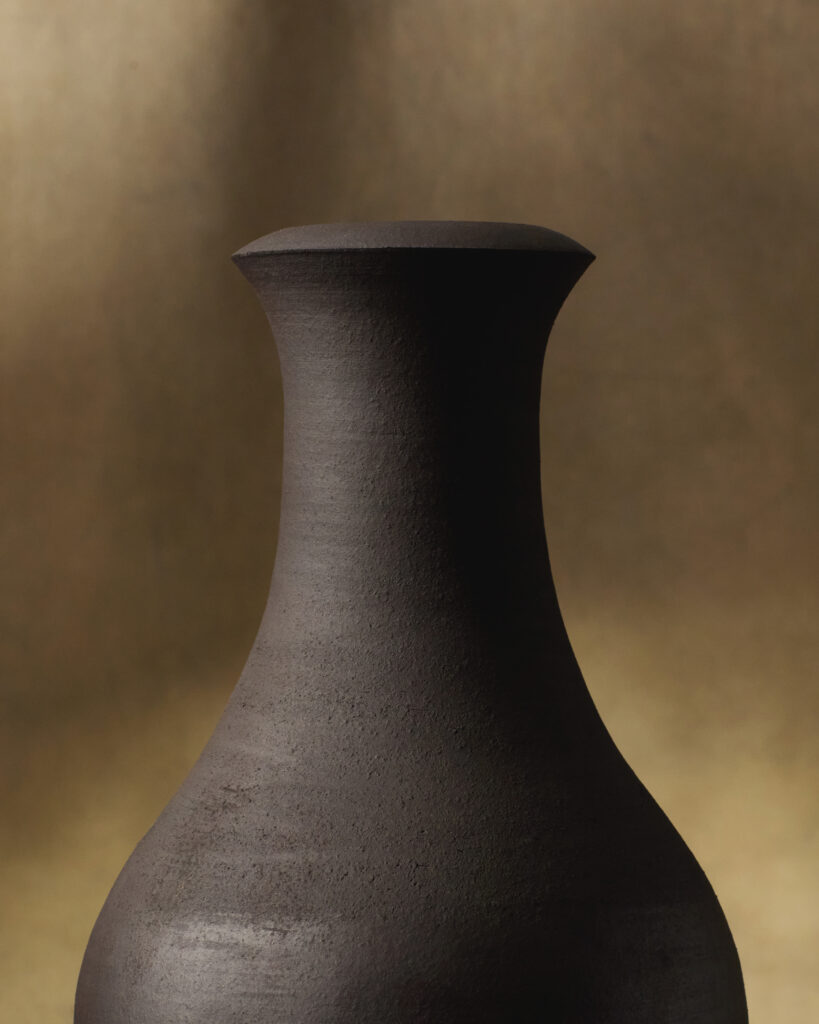
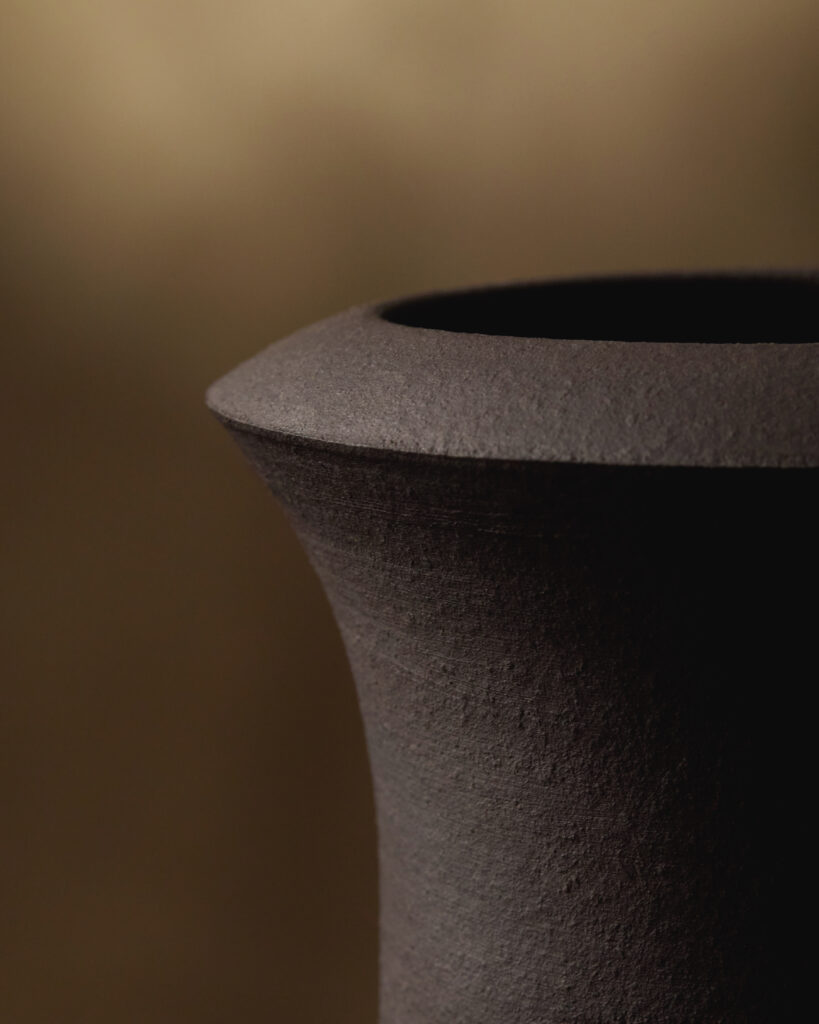
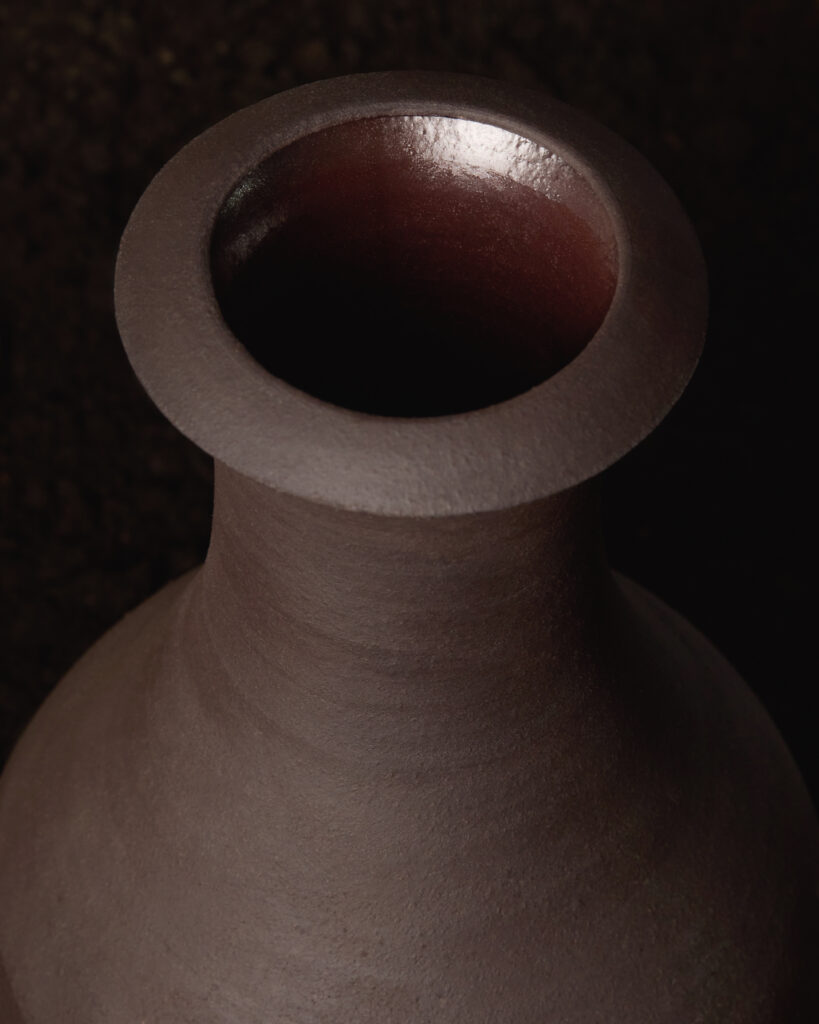
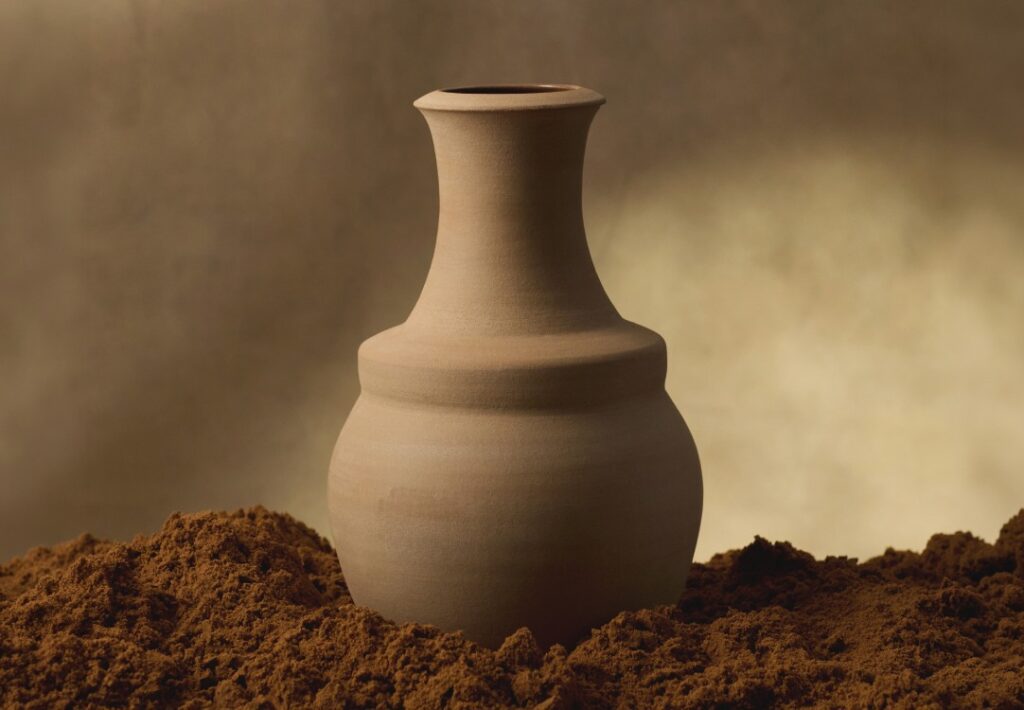
Taking its name from the Akan word Onua, meaning sibling, the collection works in pairs. Two forms, two characters, designed to live alongside each other. Each vase has a textured raw exterior and a smooth glazed interior, and each is conceived as both a water vessel and a decorative vase.
The two pieces share a vocabulary but never repeat it.
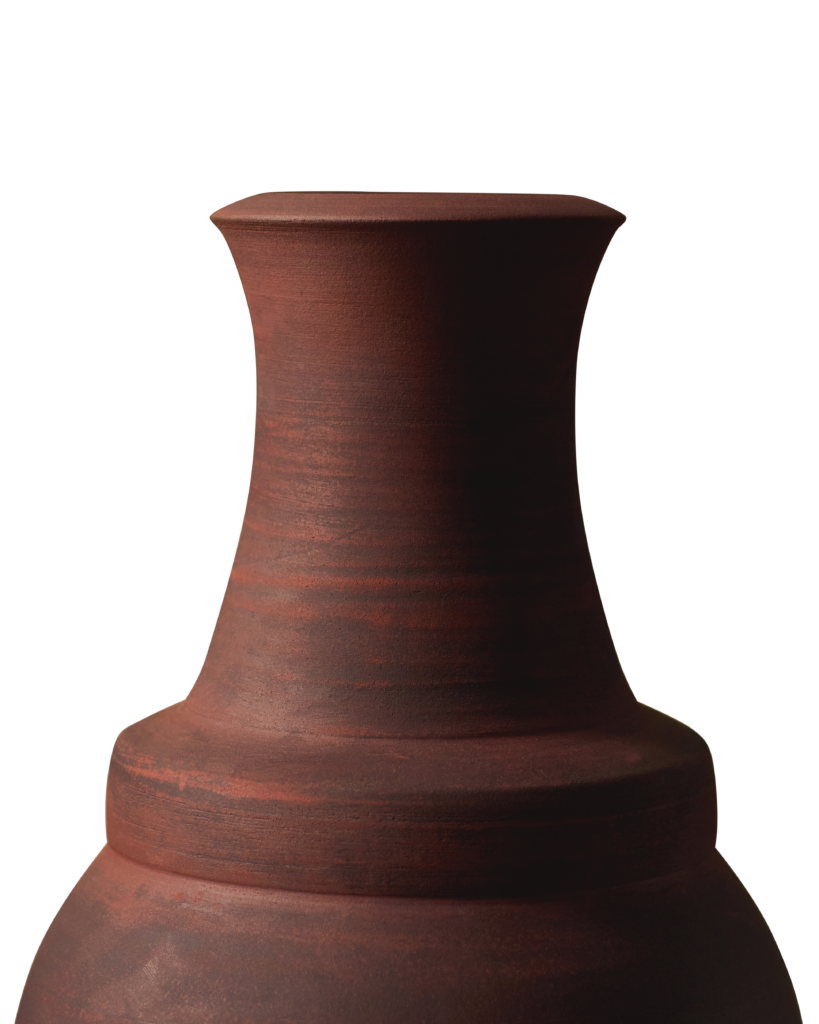
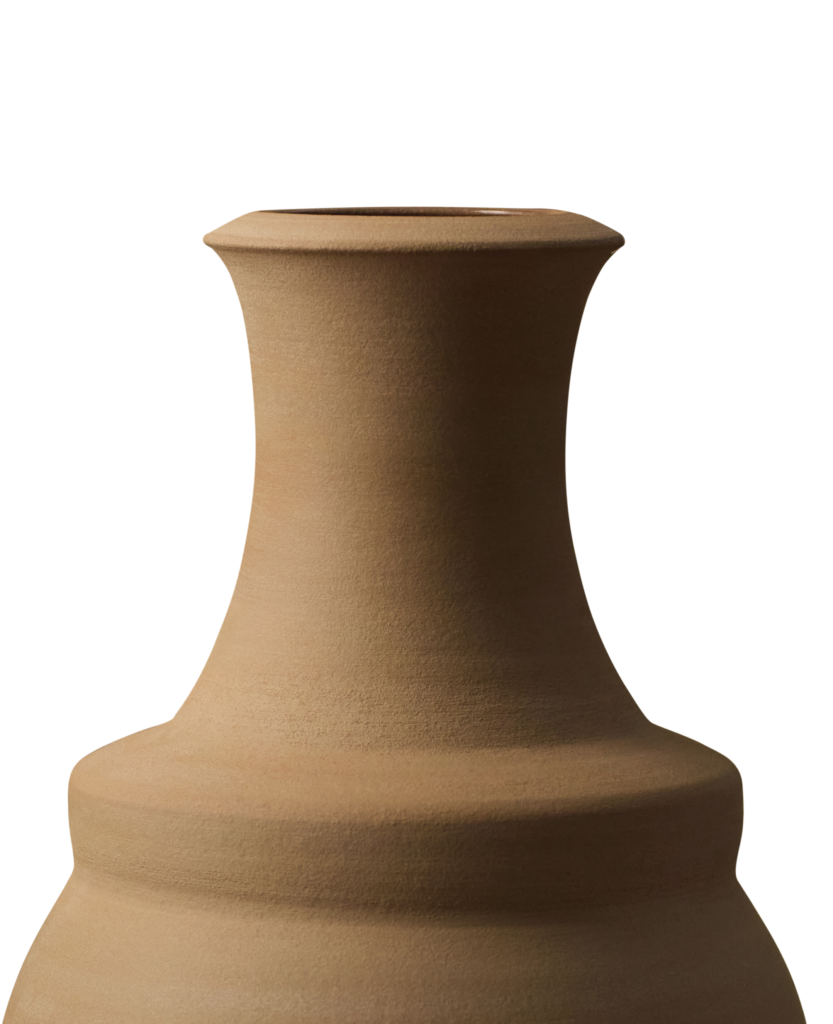
Each clay is wild, sourced from a different regional deposit, sent for independent laboratory analysis, and reworked in the studio to a composition calibrated against its chemistry. The colourways are the outcome: Riverbank from the Ada river delta, Sea Sand from the coastal shores, Anthill from the red mounds of the central region, Soil from inland deposits, and Sahel, an orange-red that echoes the terracotta of the traditional makers we work alongside.
The Alexandra
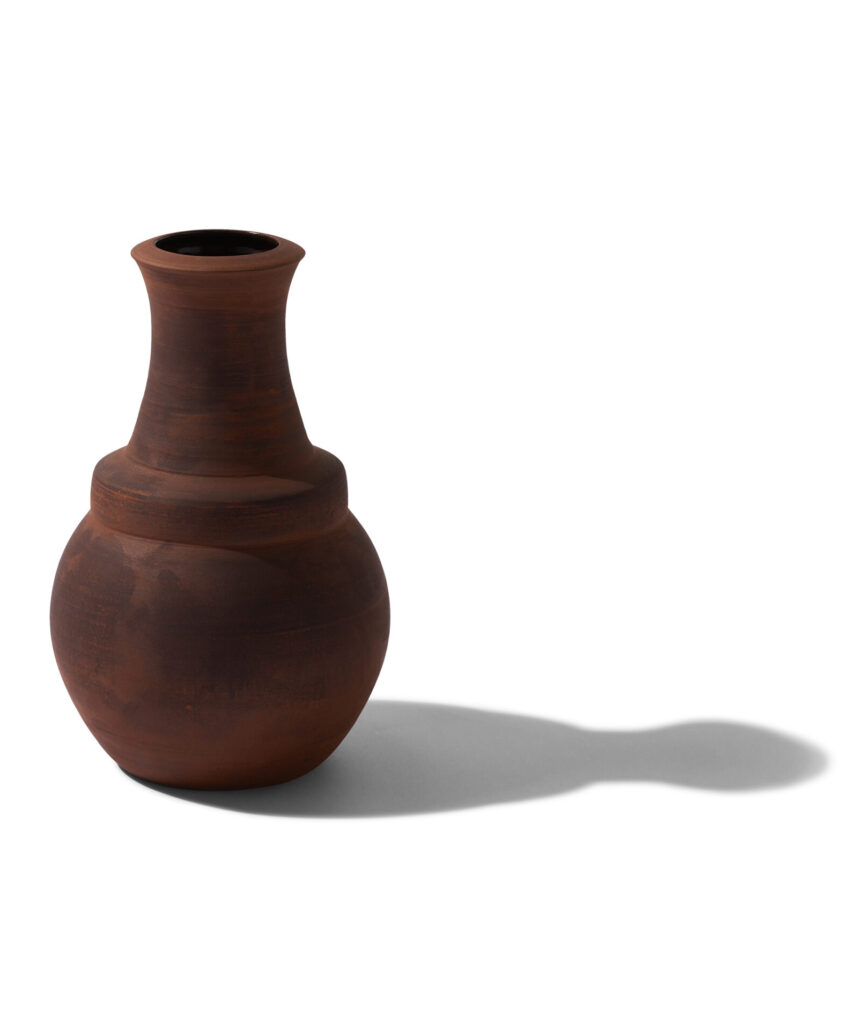
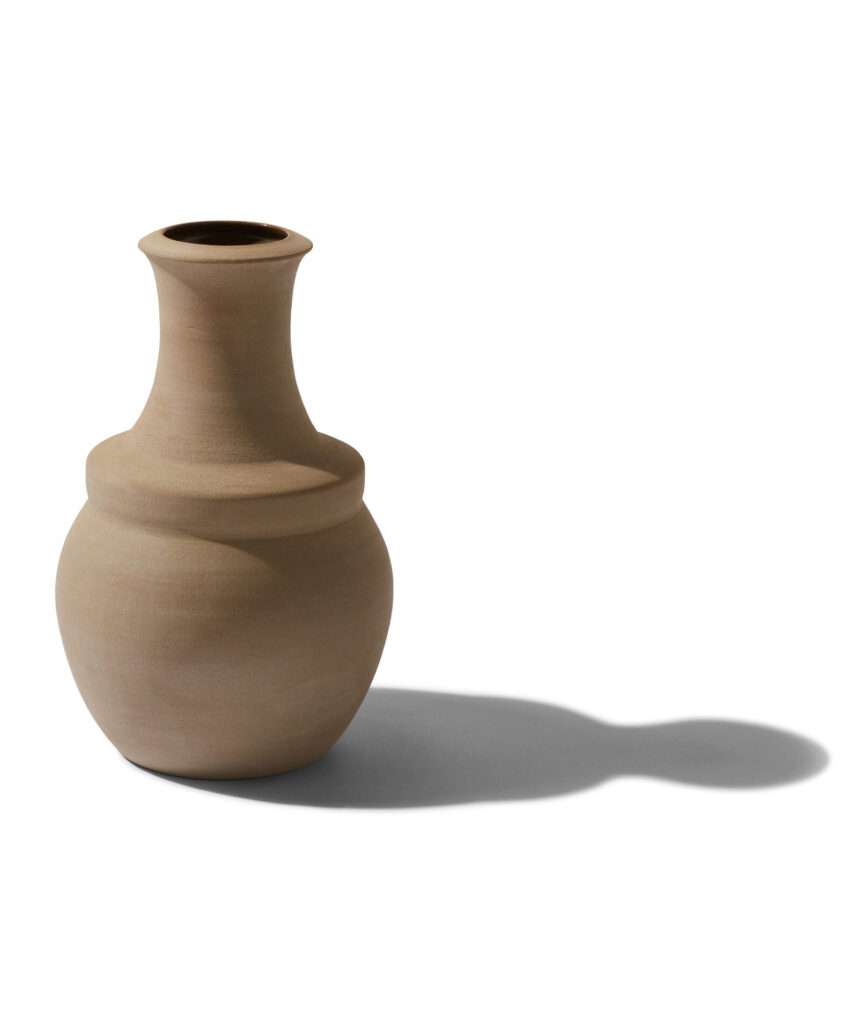
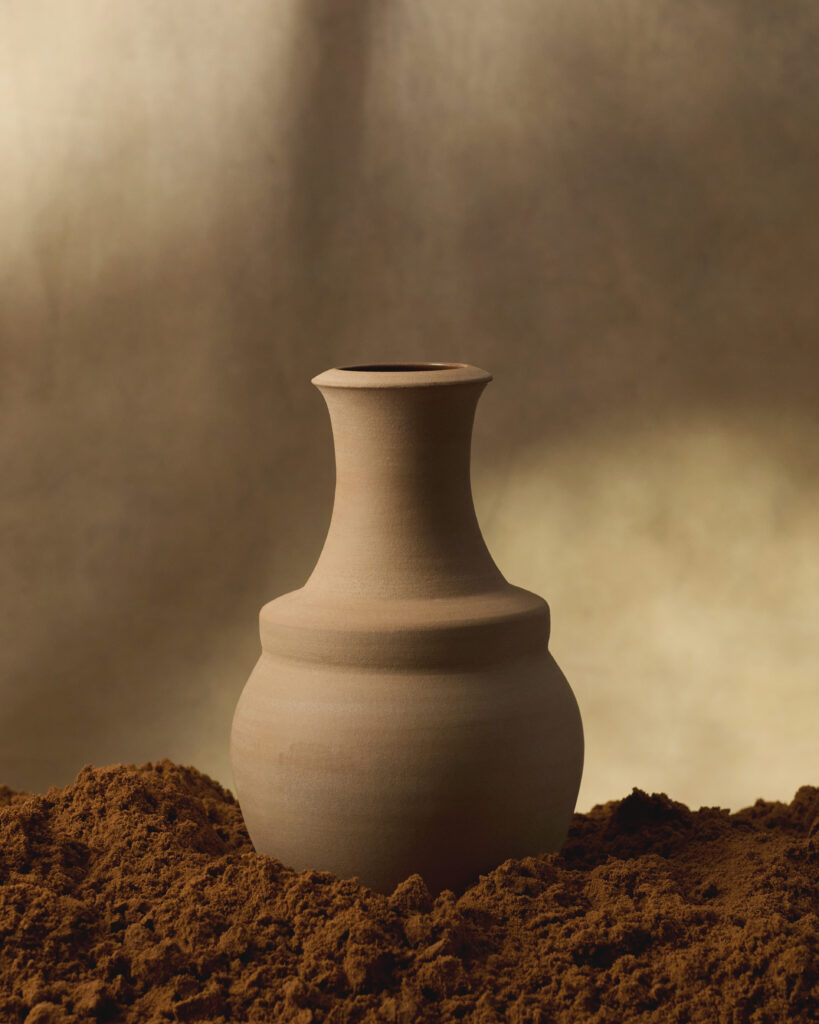
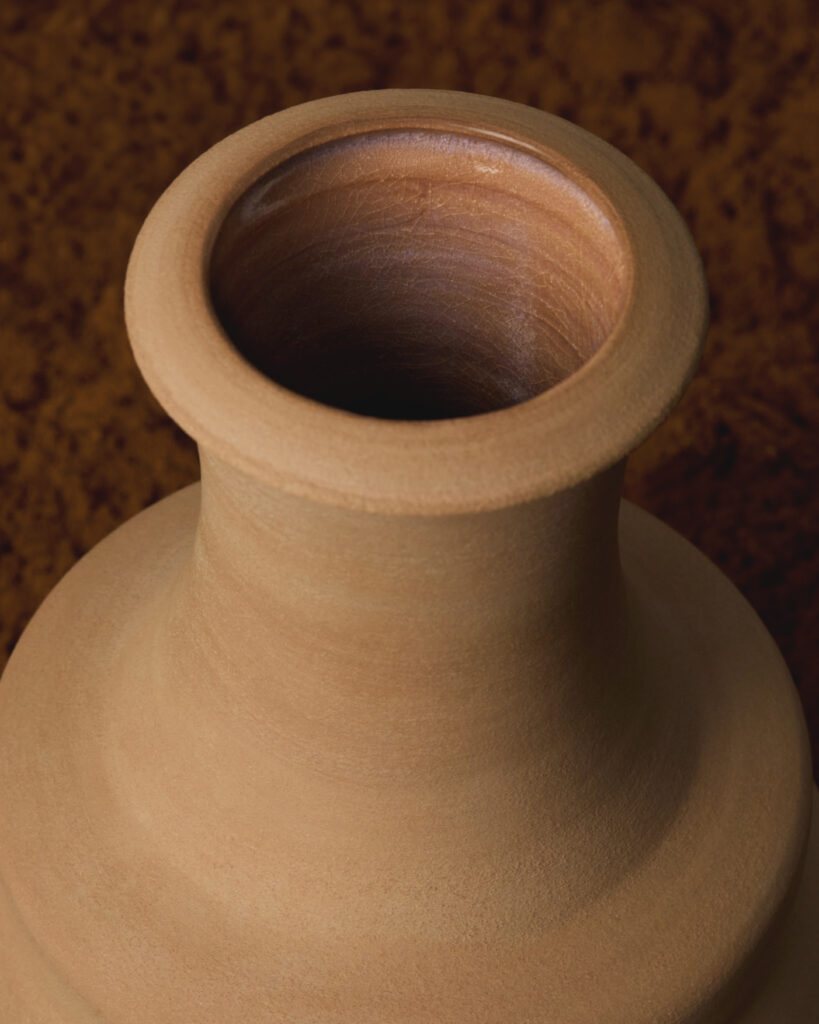
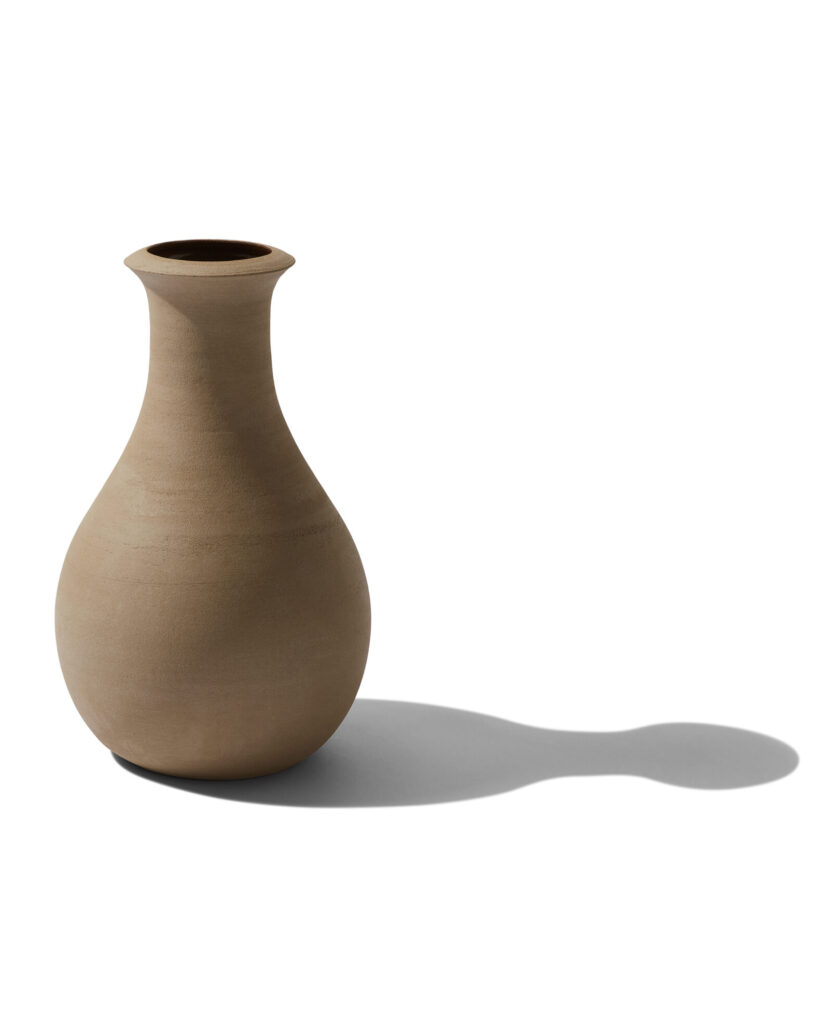
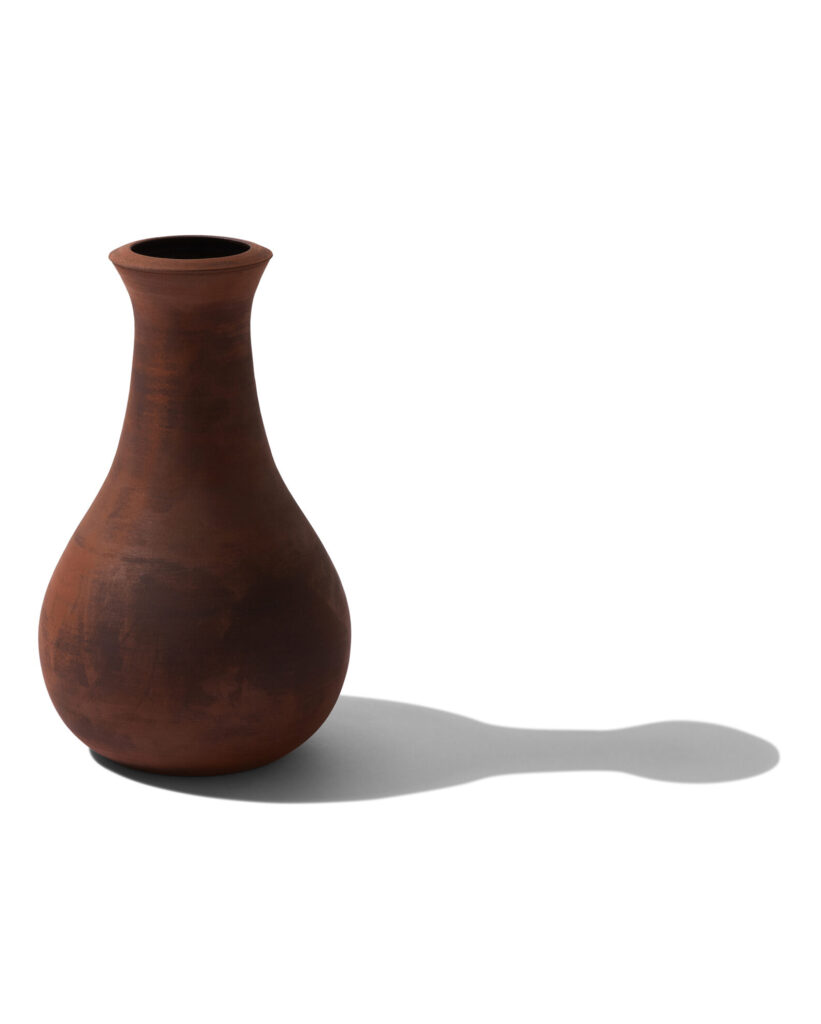
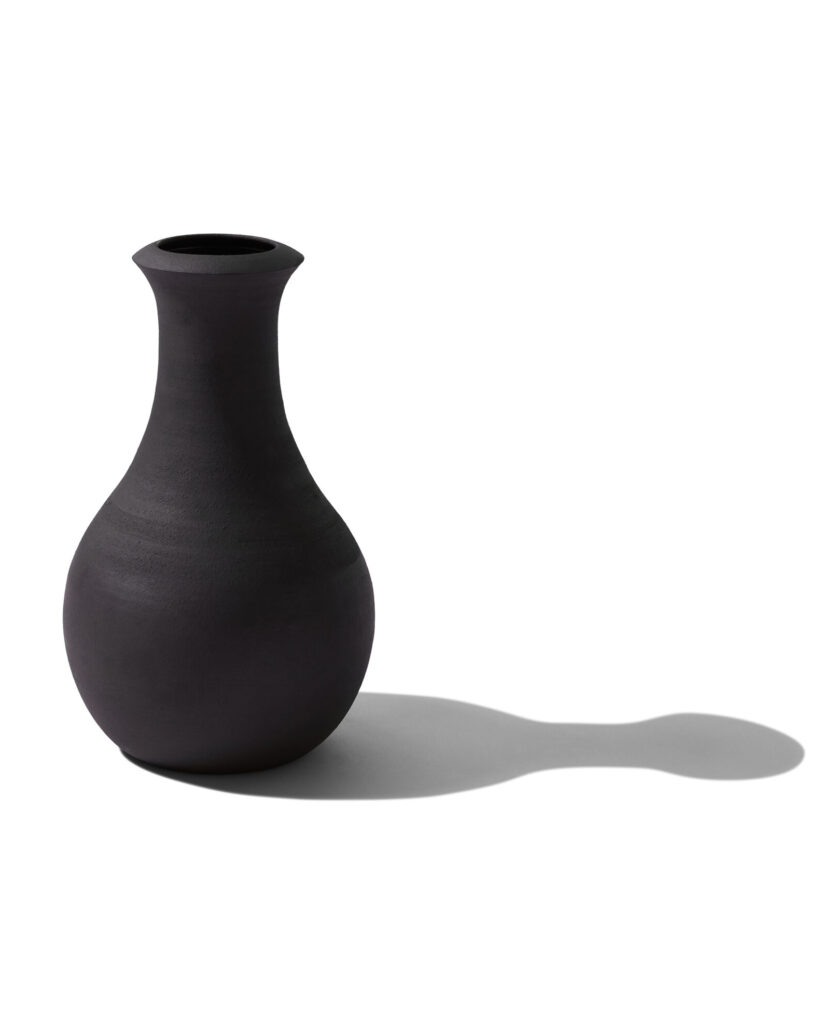
The Alexandra vase is the fuller of the two forms, its rounded body drawn from the feminine figurative tradition of Akan sculpture.
The Jordan
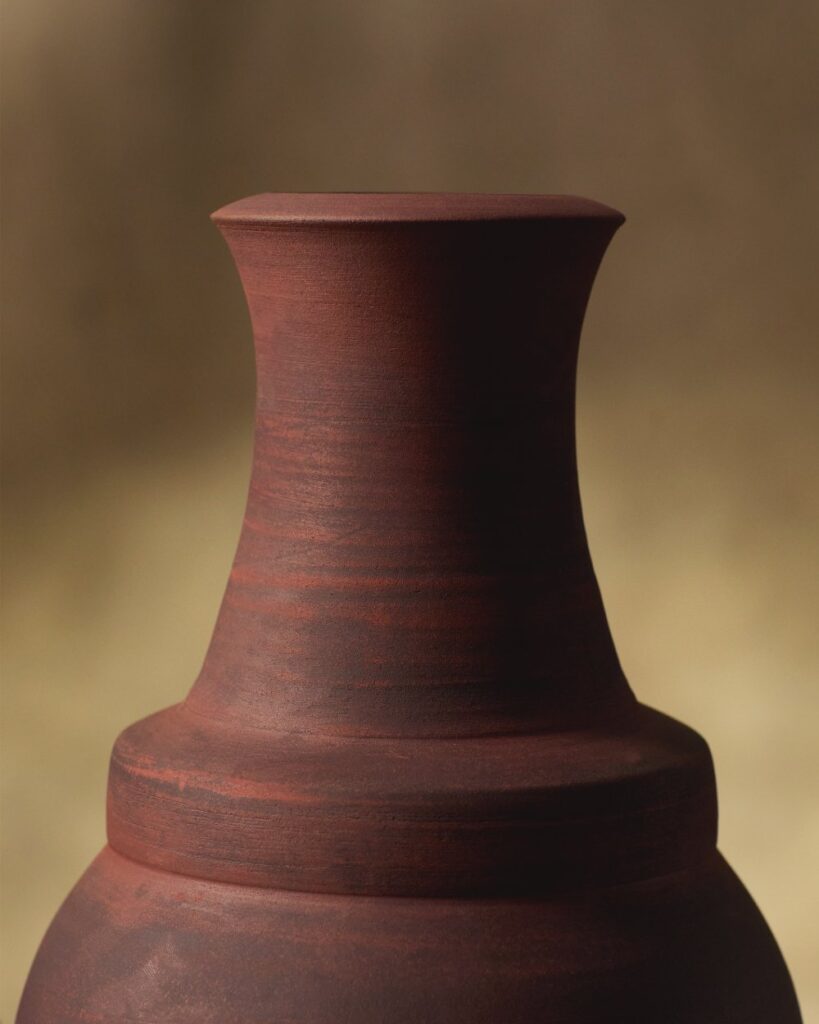
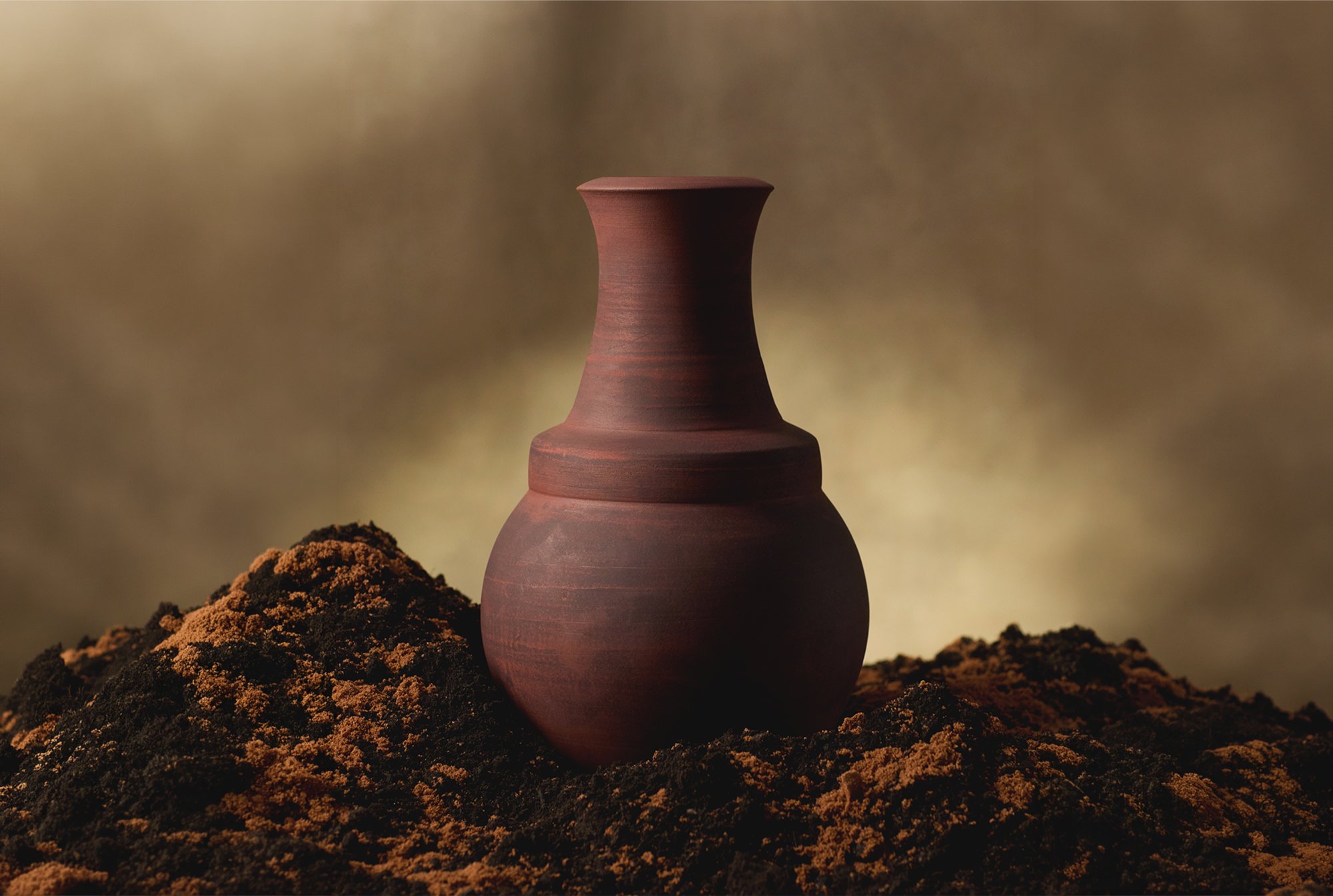
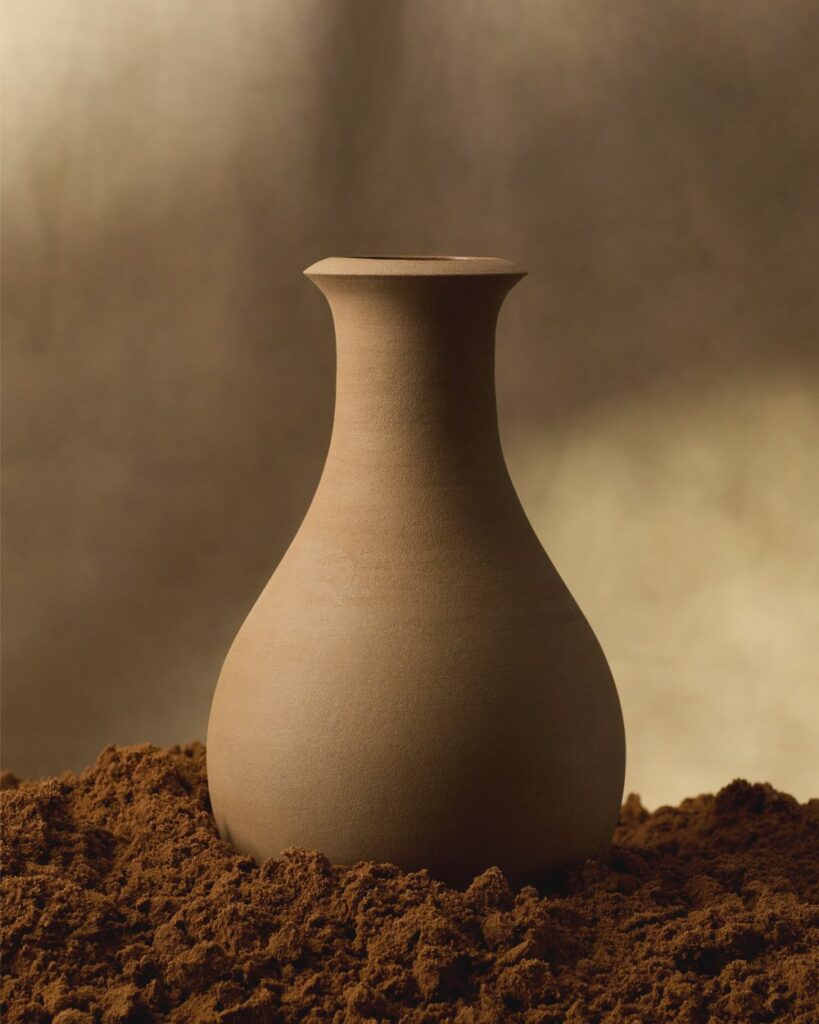
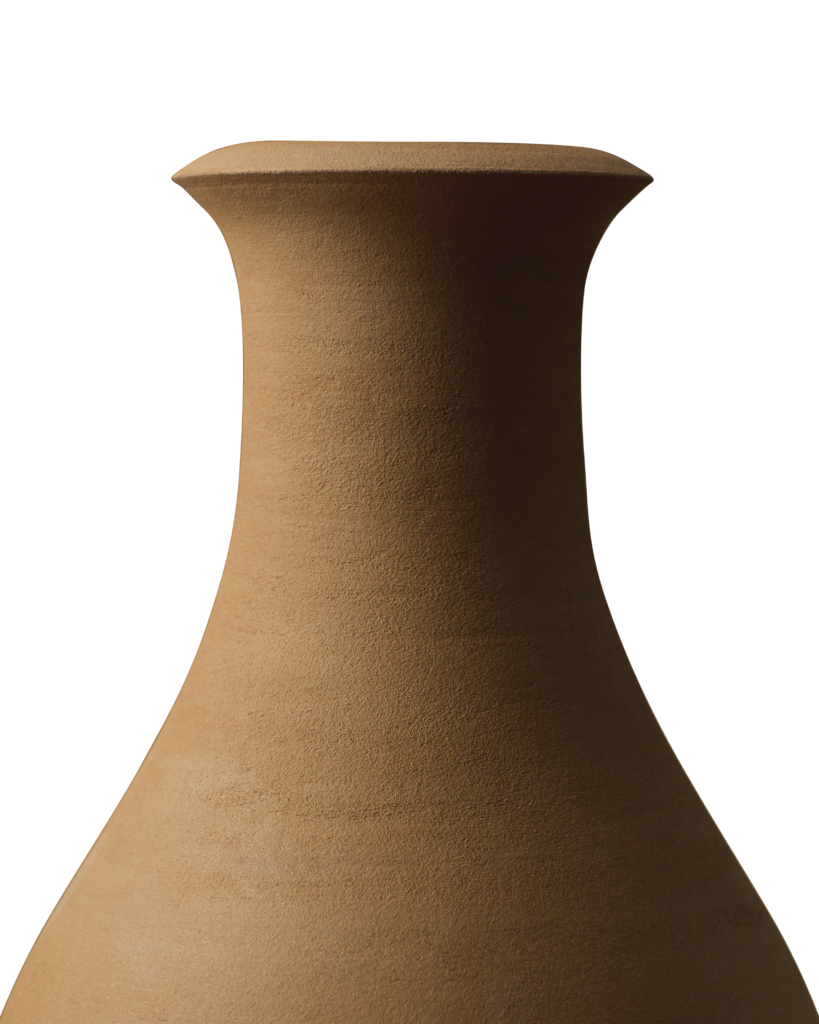
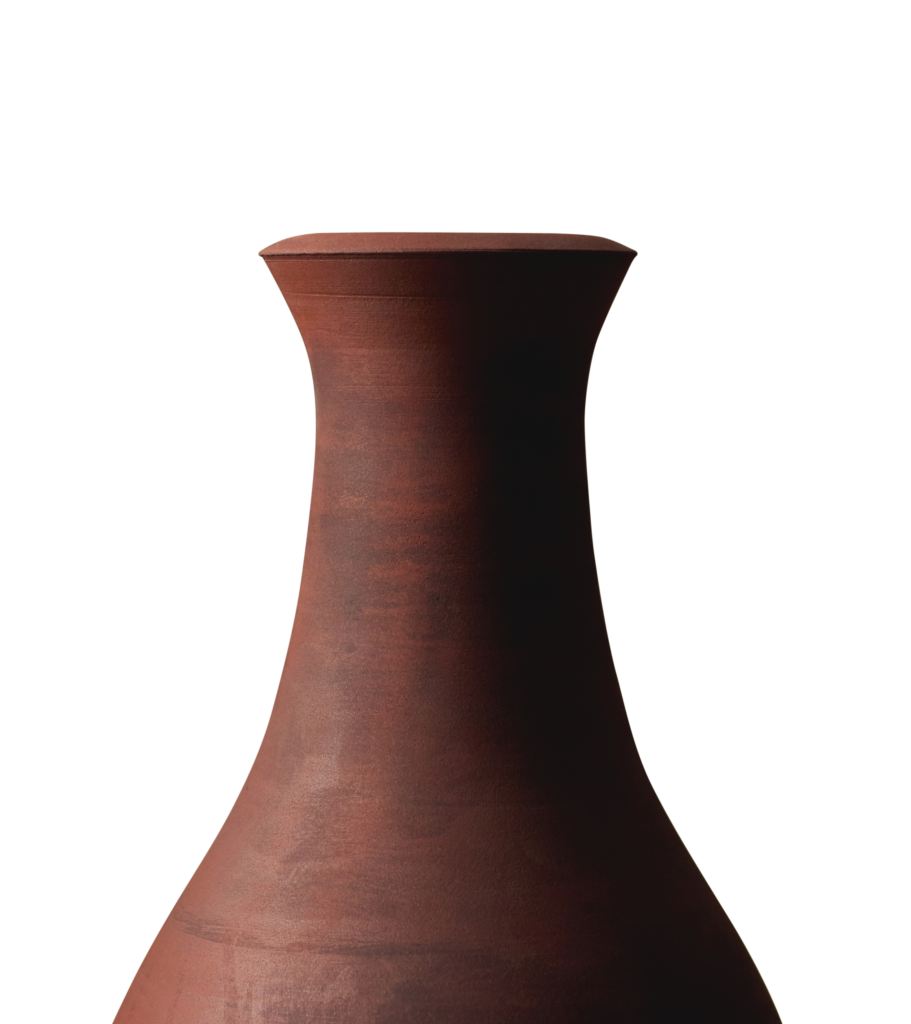
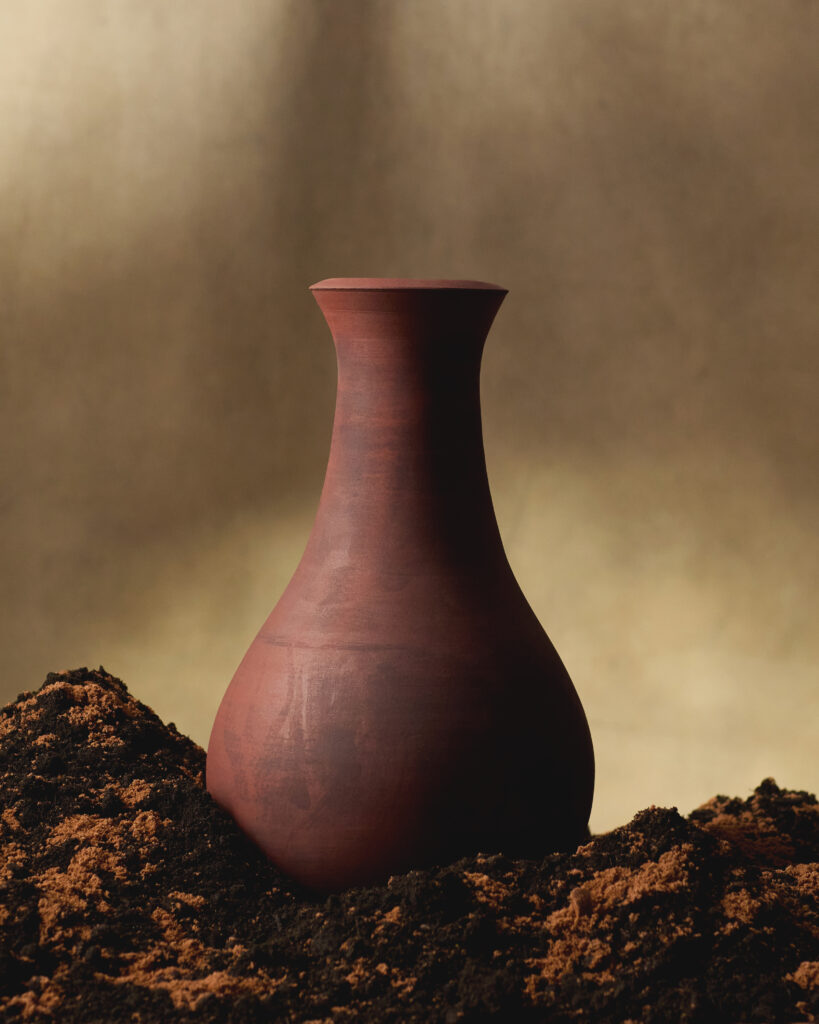
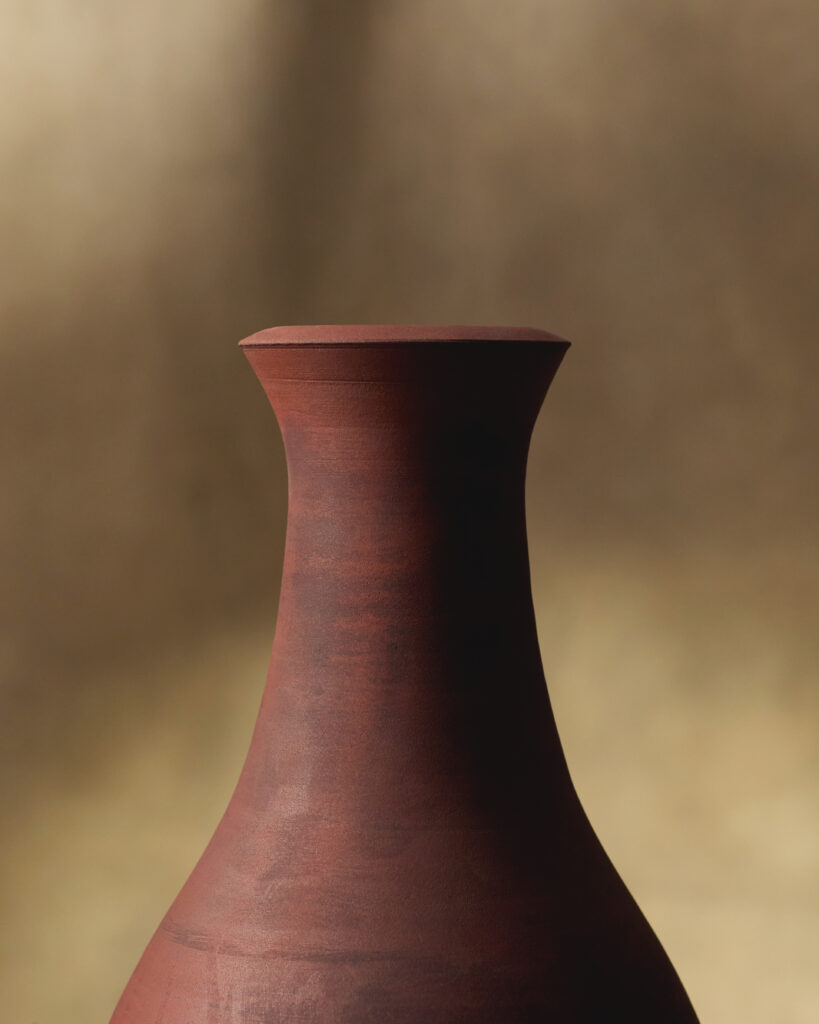
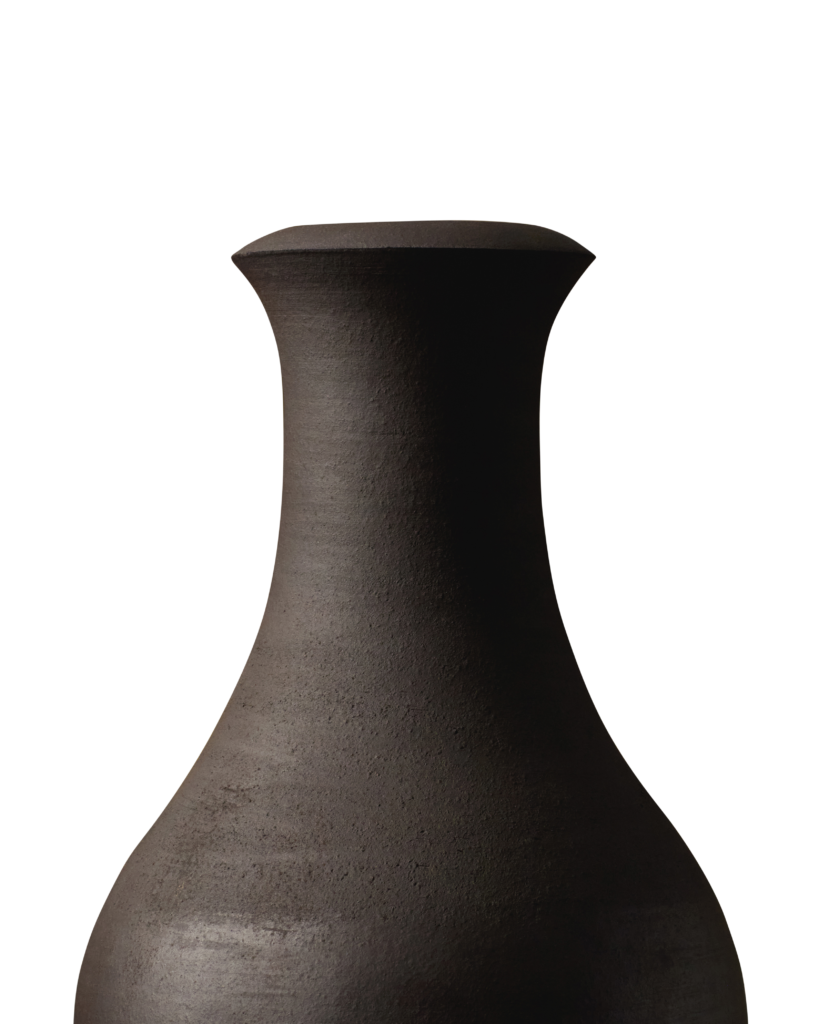
The Jordan vase is the taller and slimmer of the two, drawing on the more austere masculine forms of the same tradition. The silhouette is plain and unornamented, the form built around its line rather than its body.


.svg)
.svg)

