
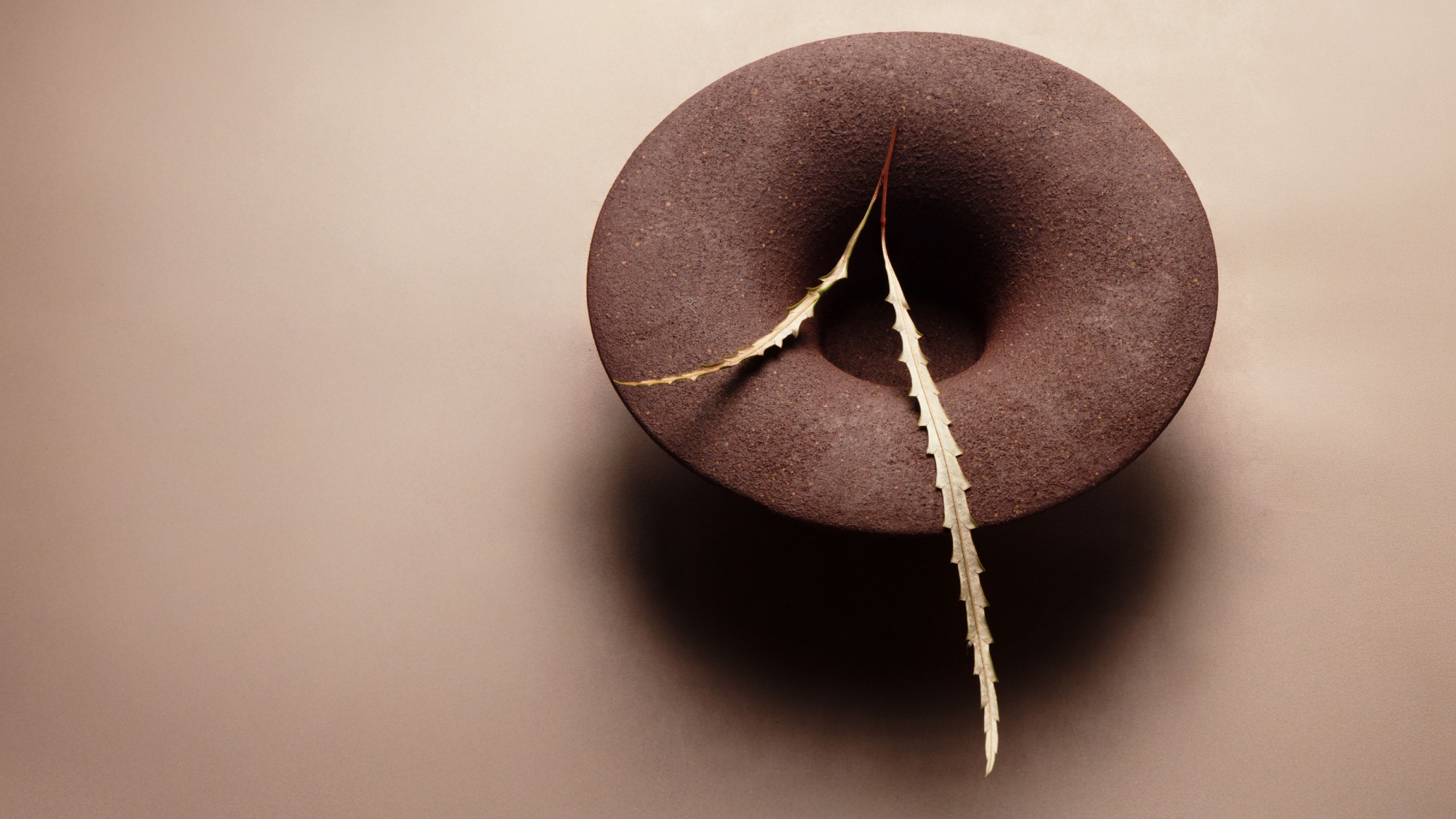
Aya Collection
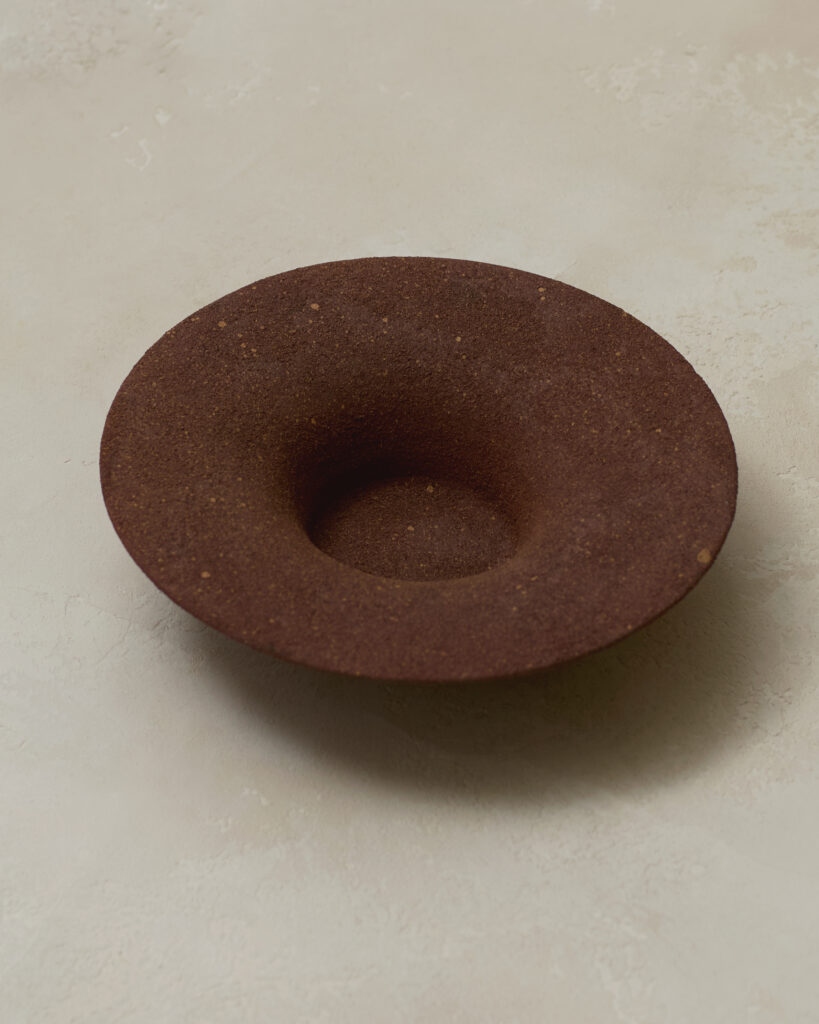
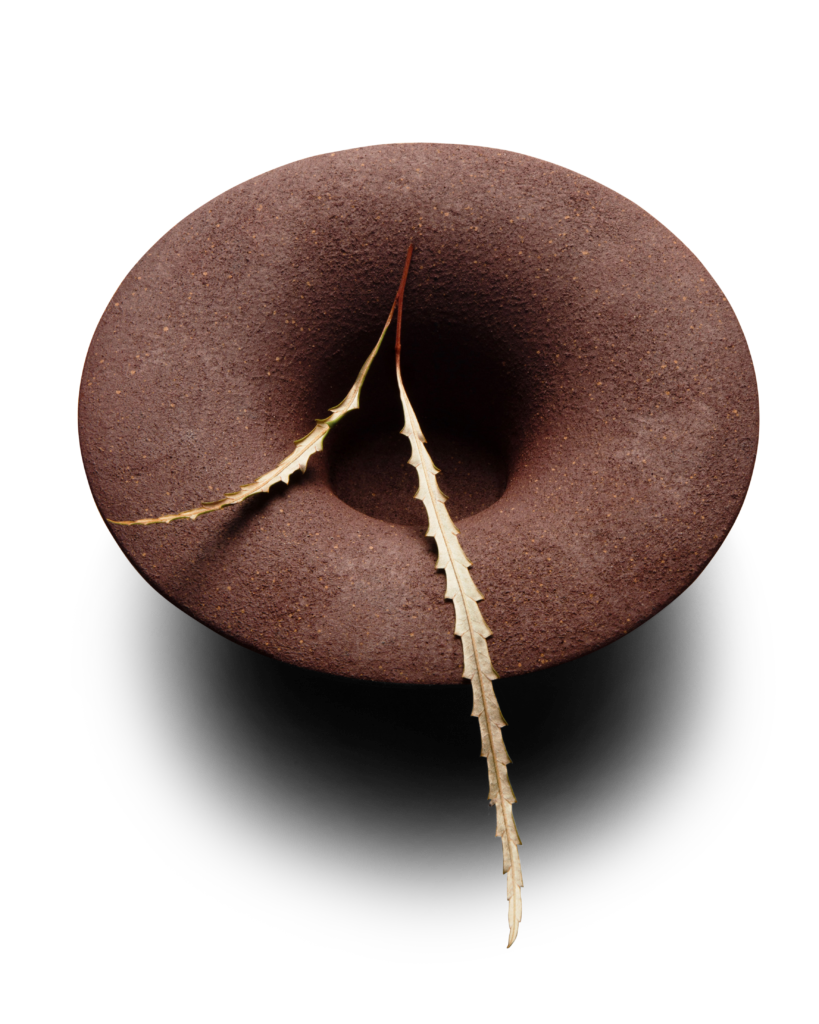
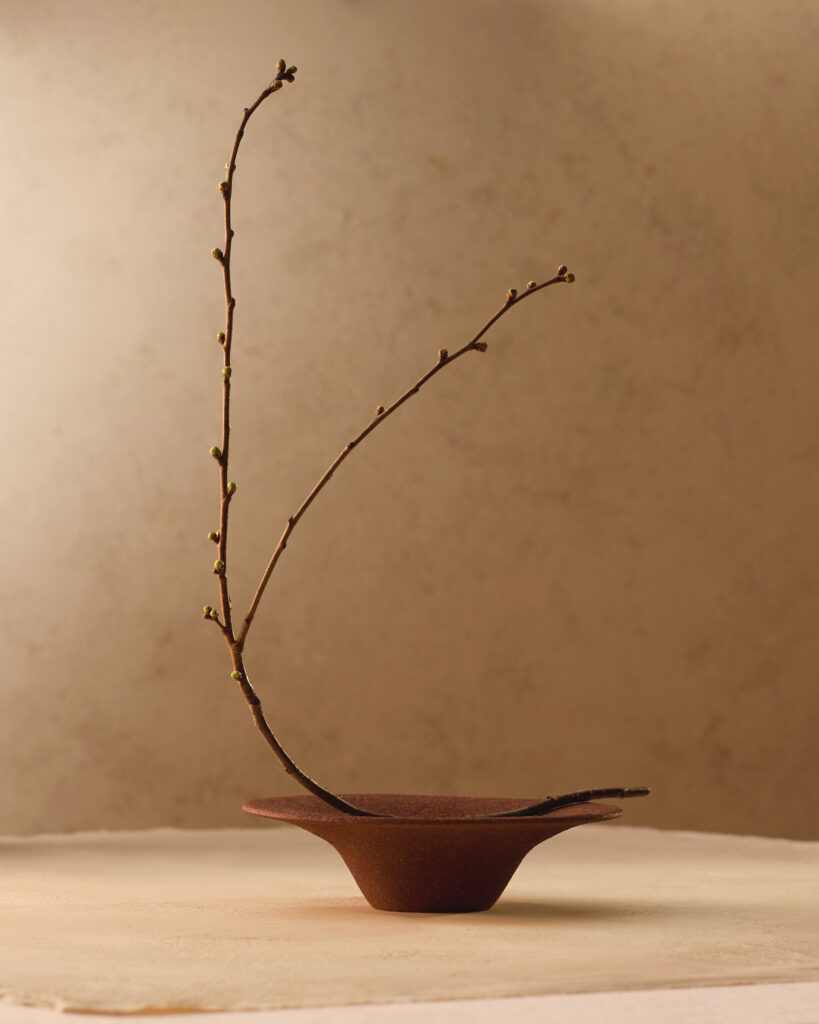
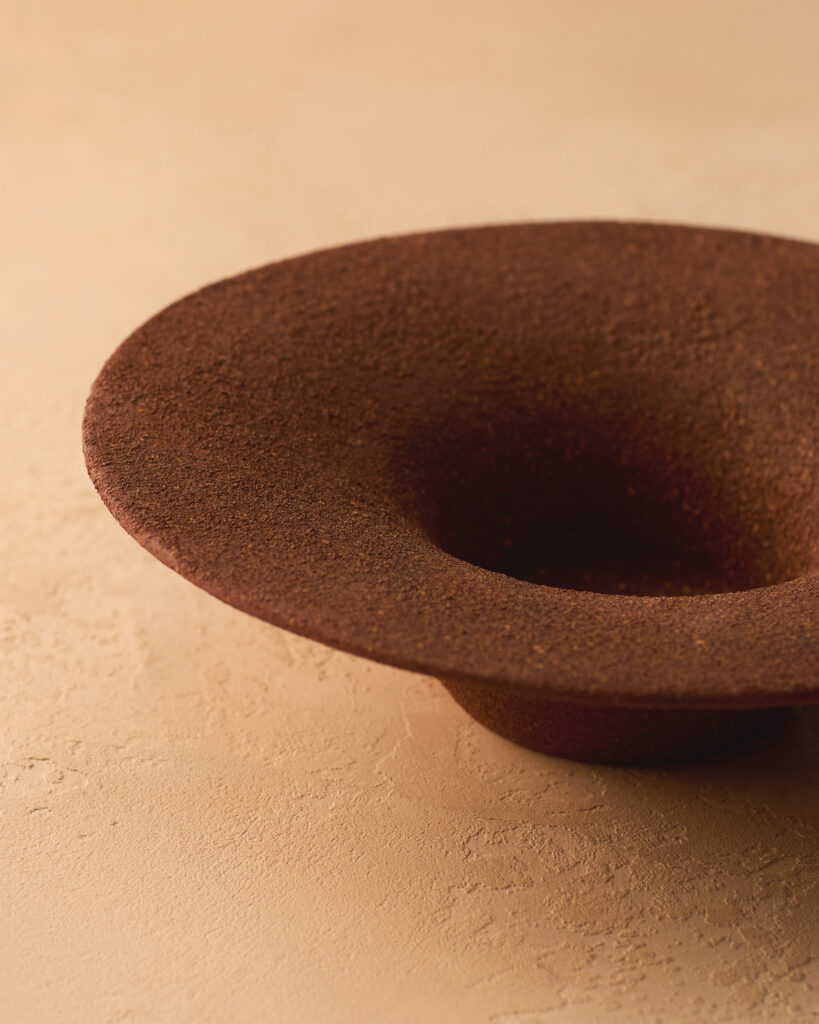
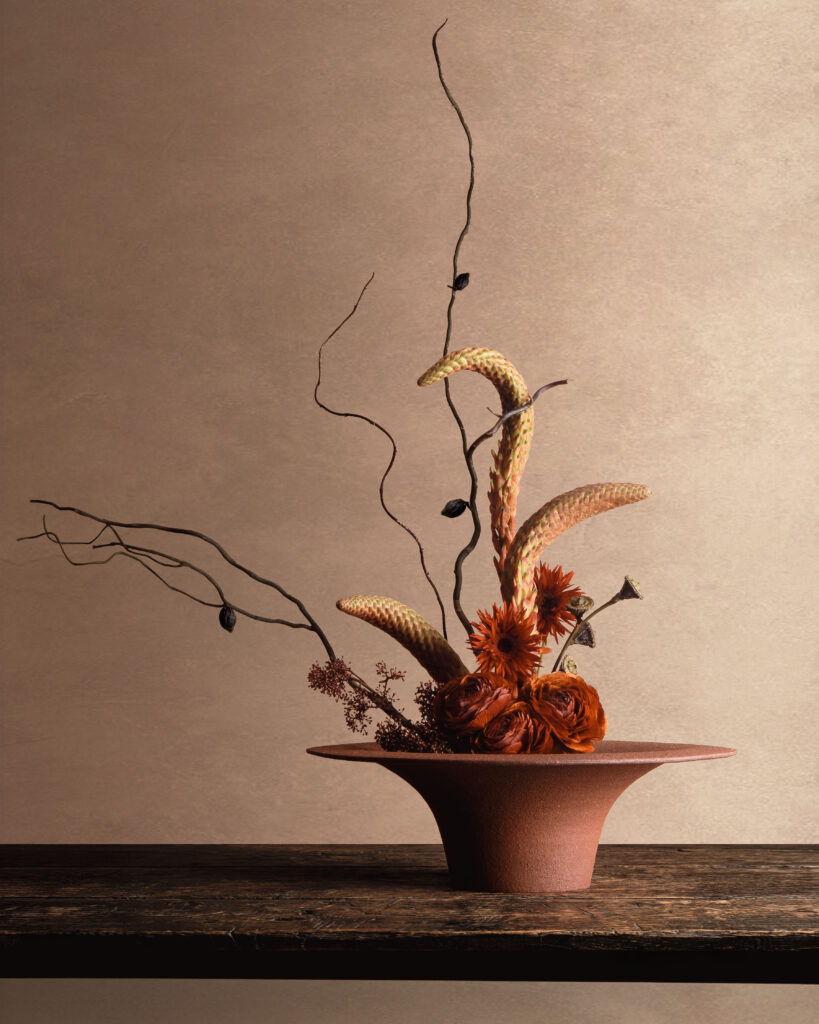
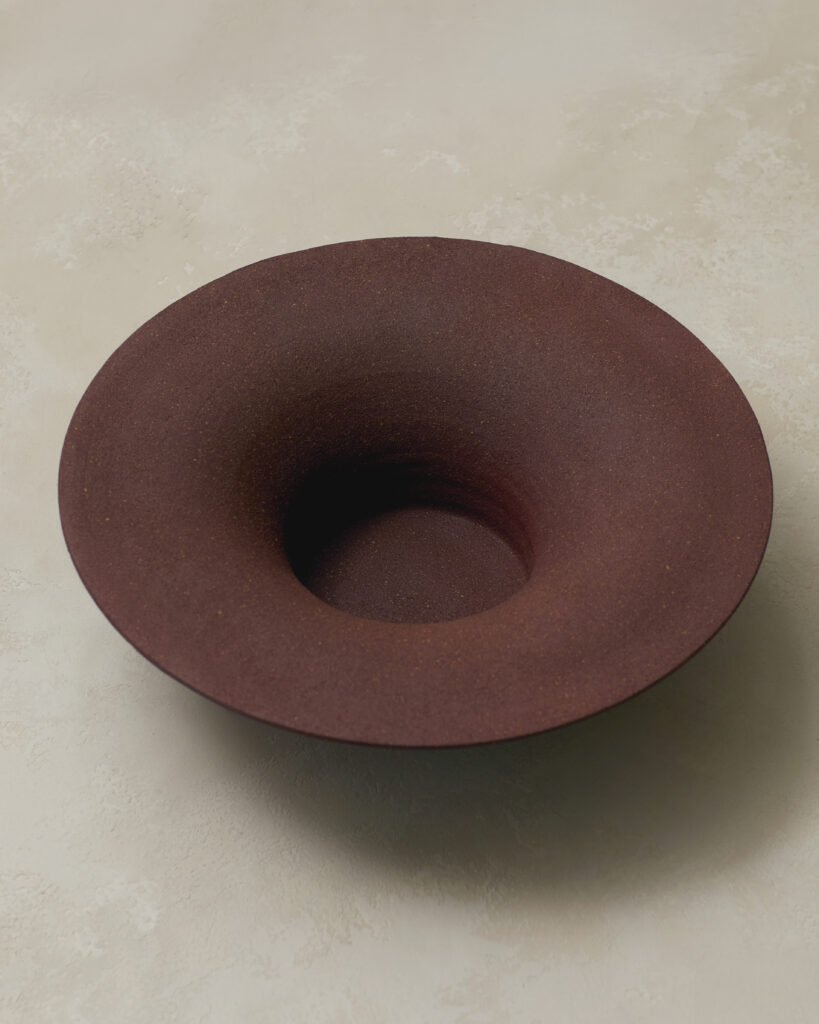
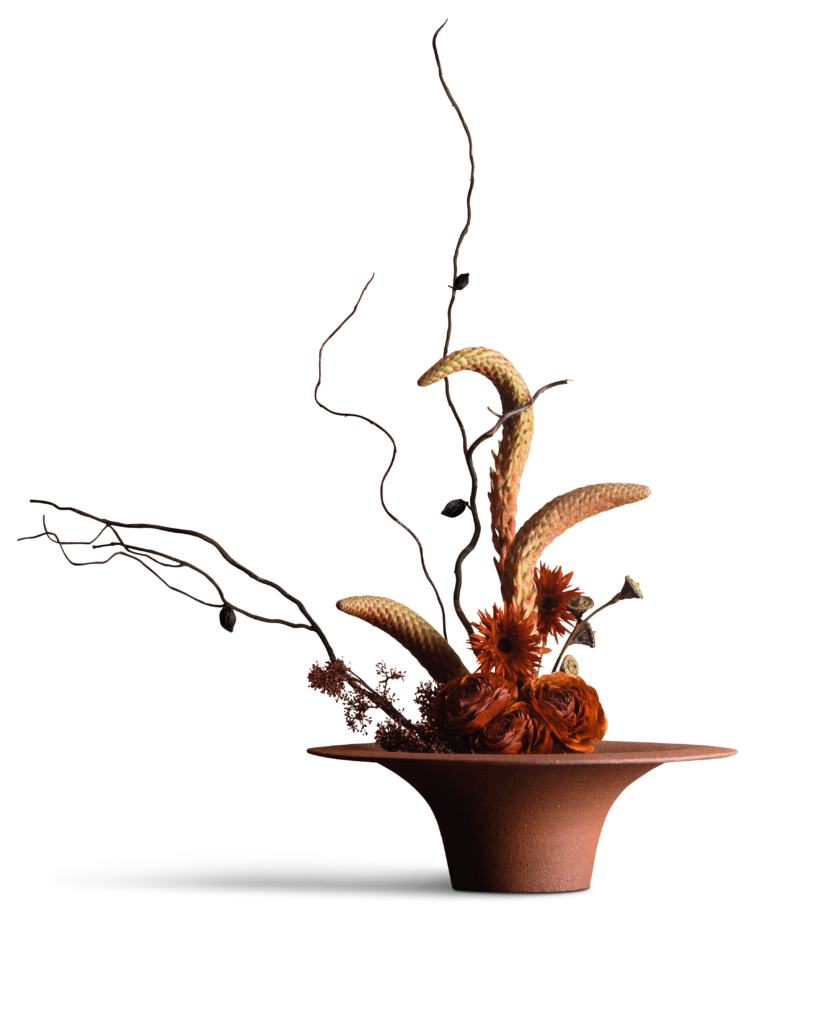
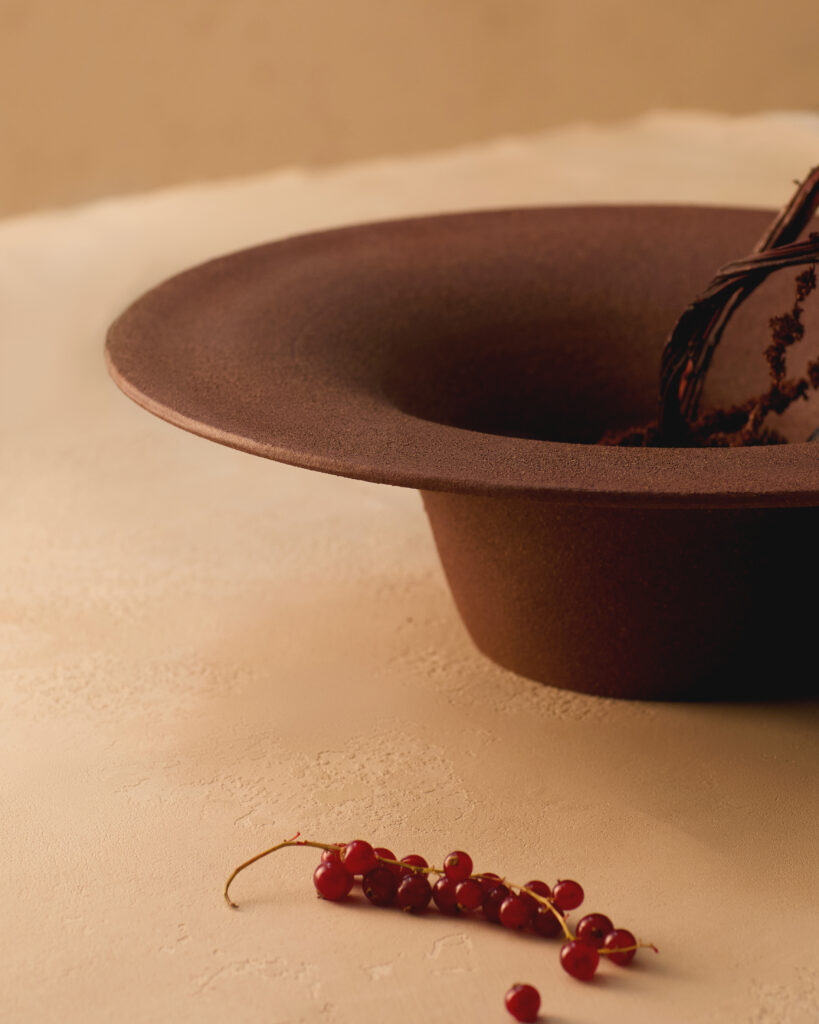
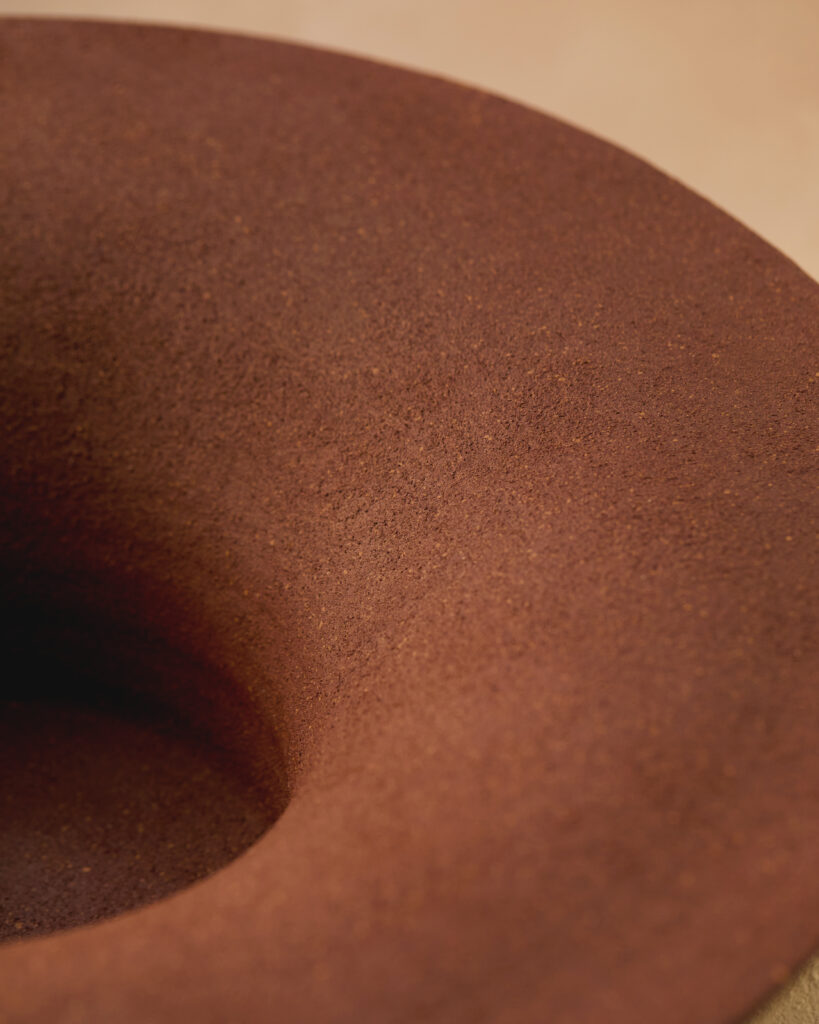
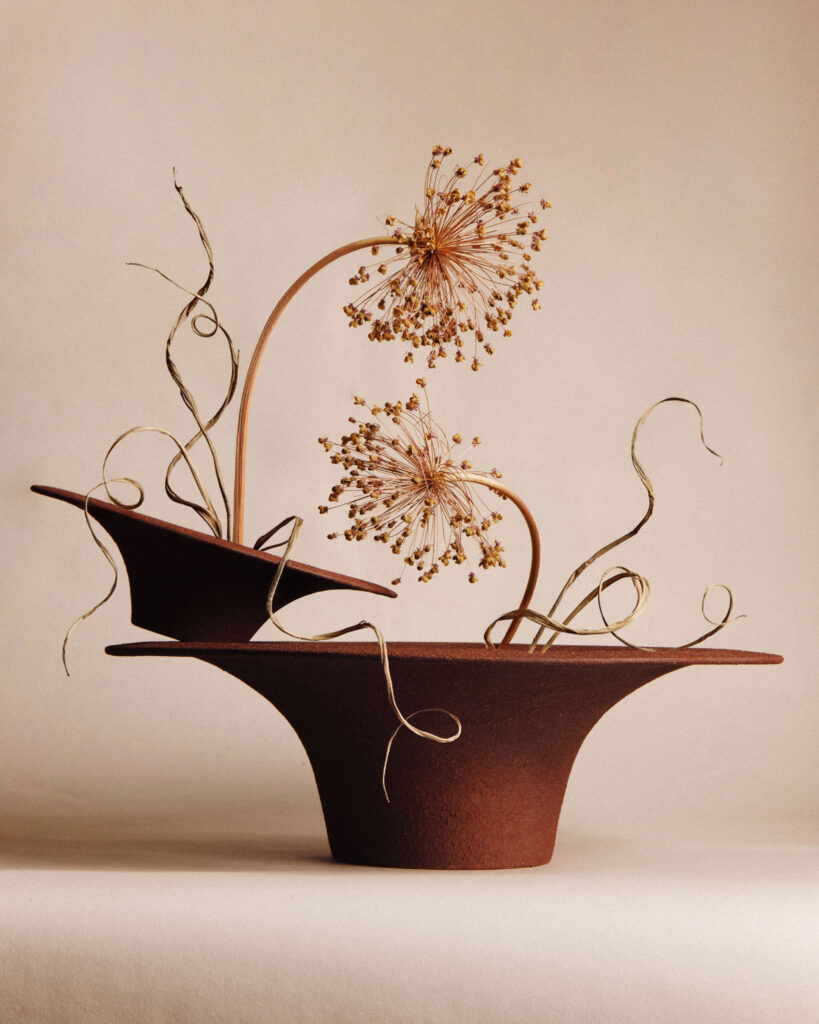
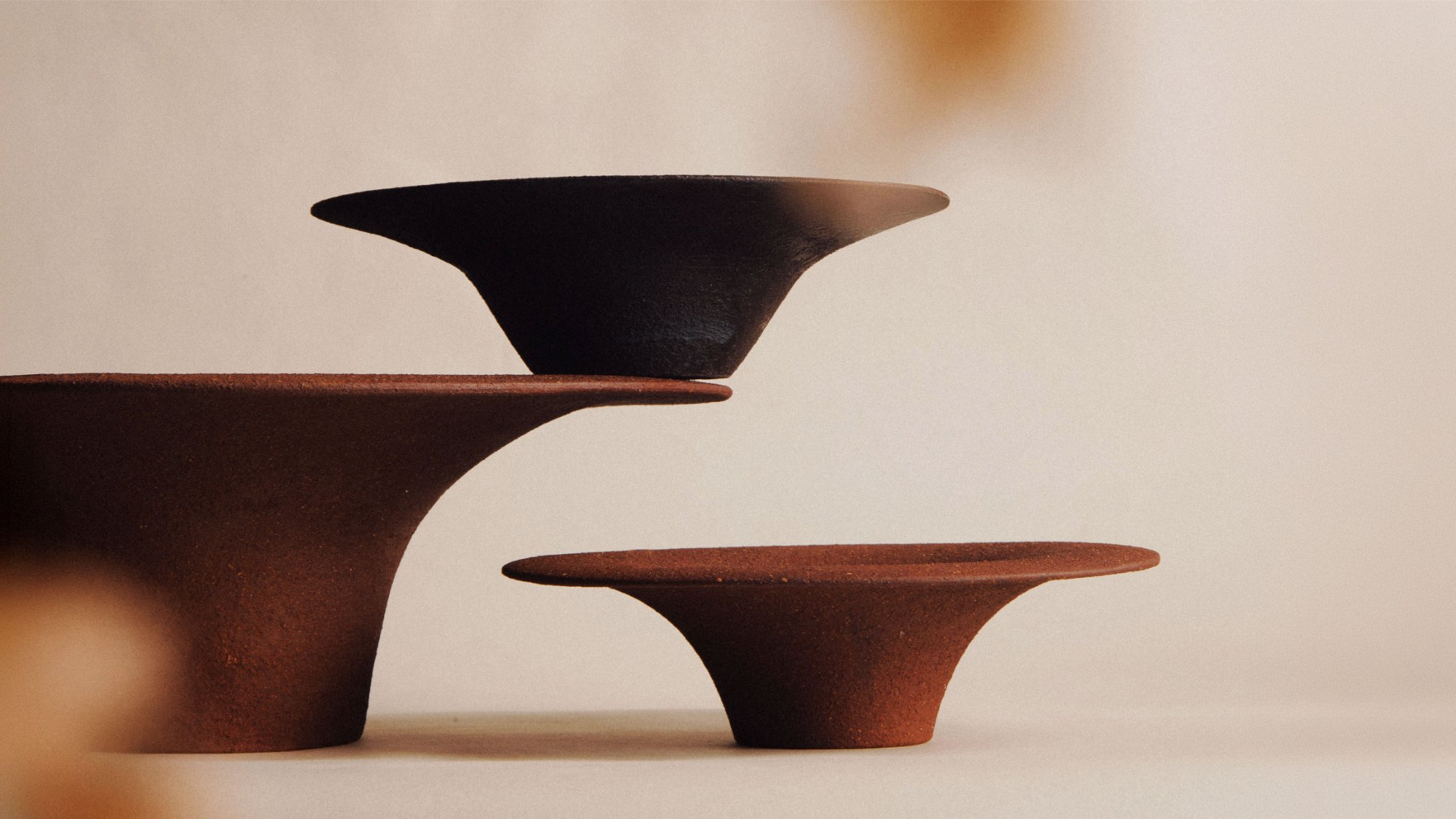
Aya takes its name from the Adinkra symbol Aya, the fern, a sign of endurance and resilience. Built around a single open bowl form in two scales, the work is hand-textured and finished in layered washes that bring out the grain of the clay.
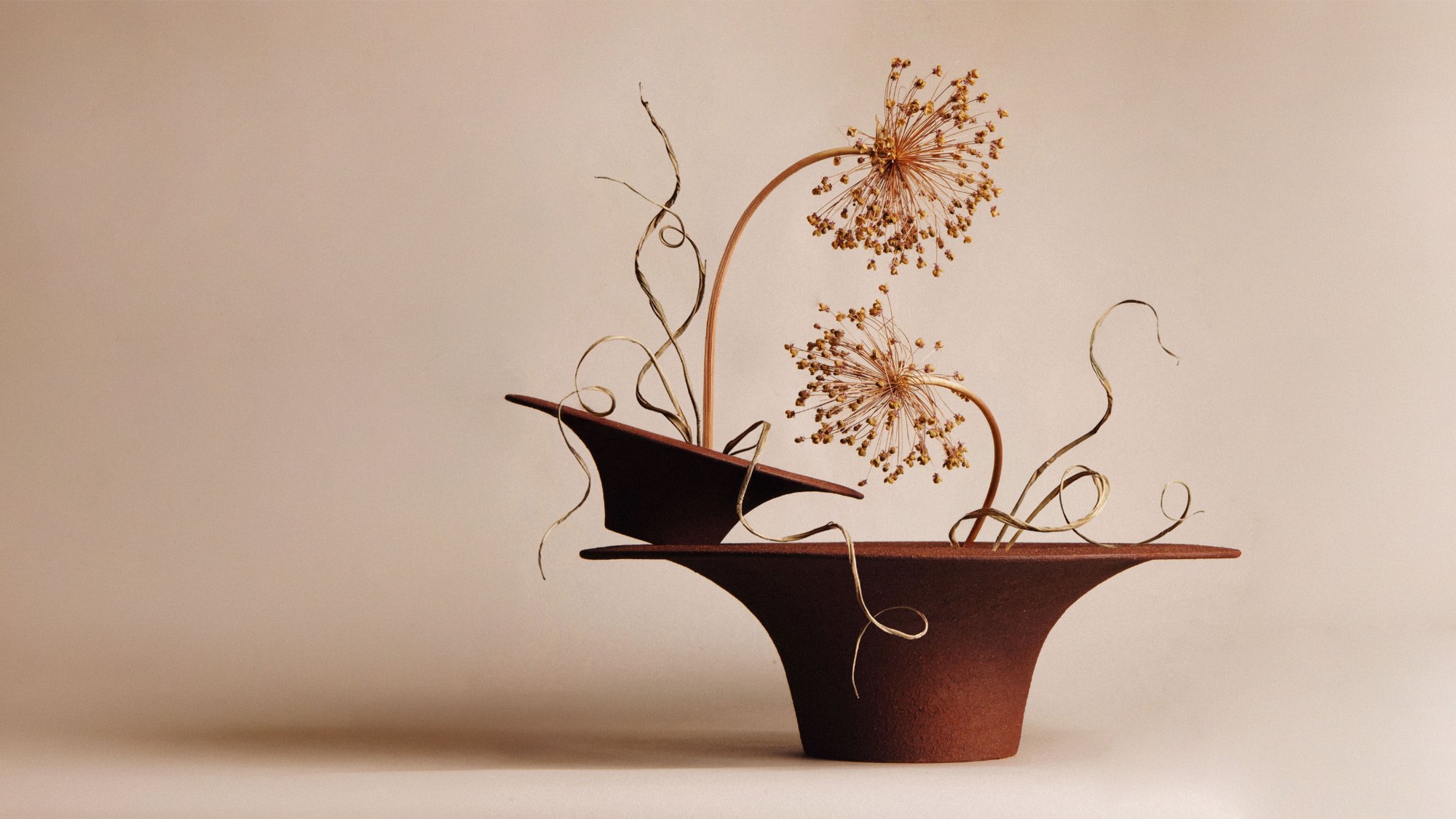
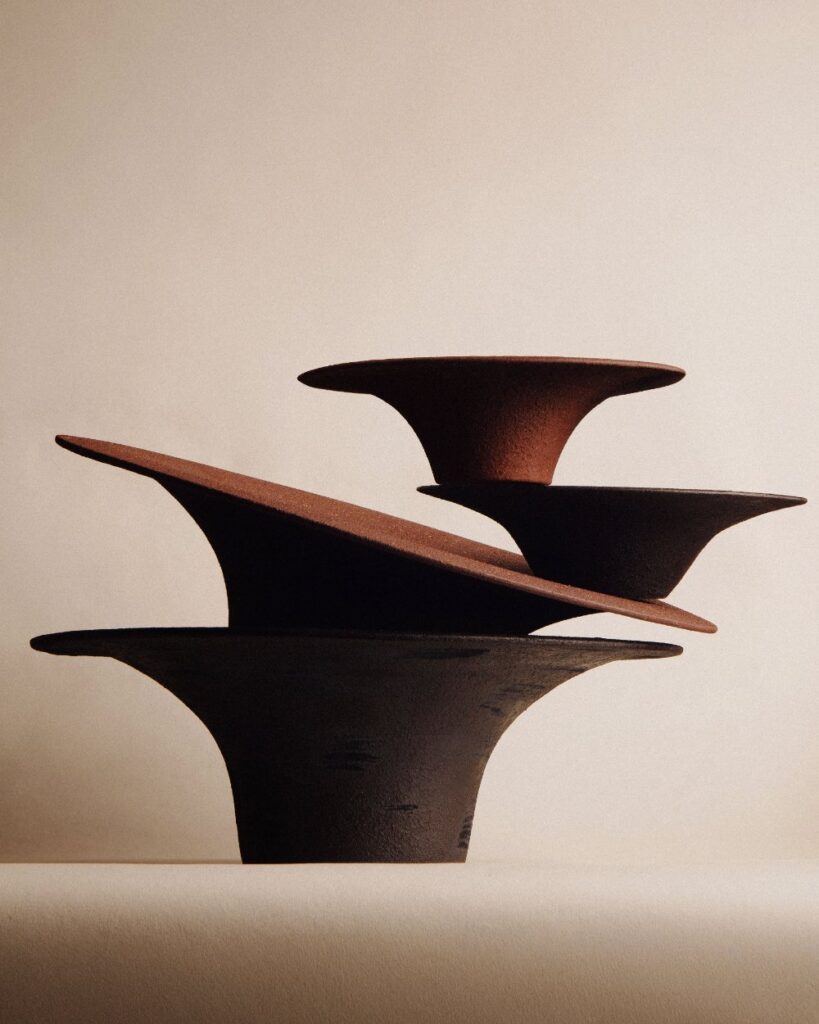
The smaller bowl works at shelf or table scale; the larger reads as a centrepiece.
Rust
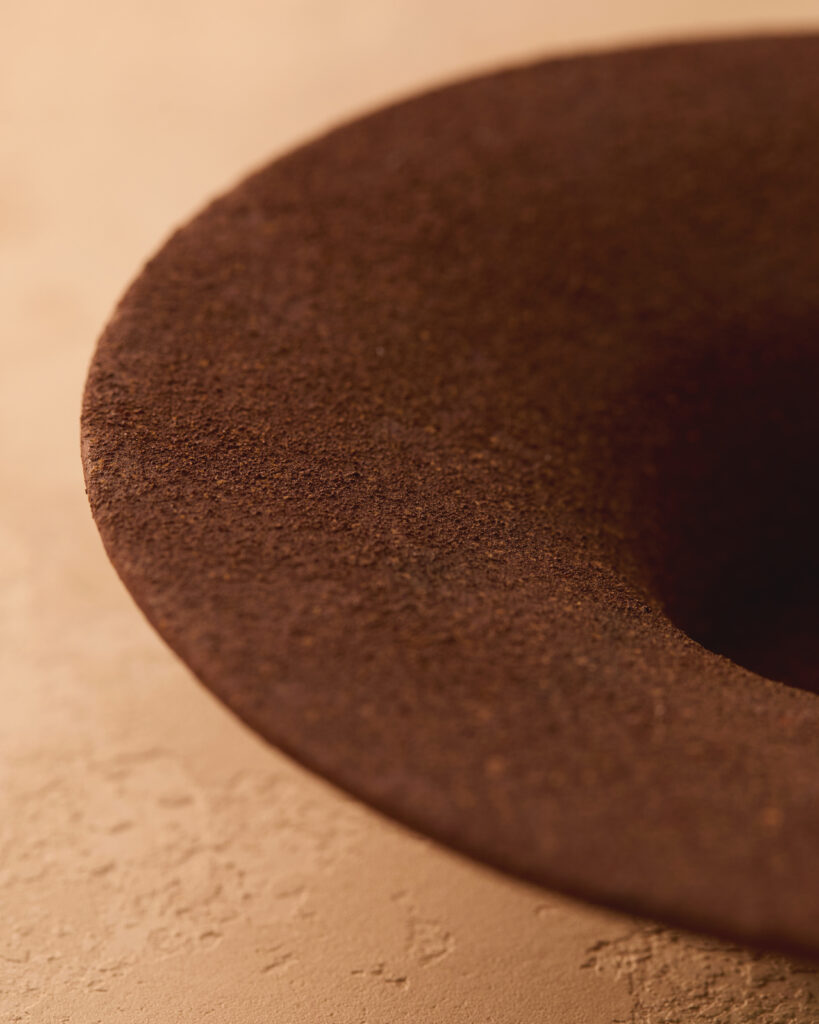
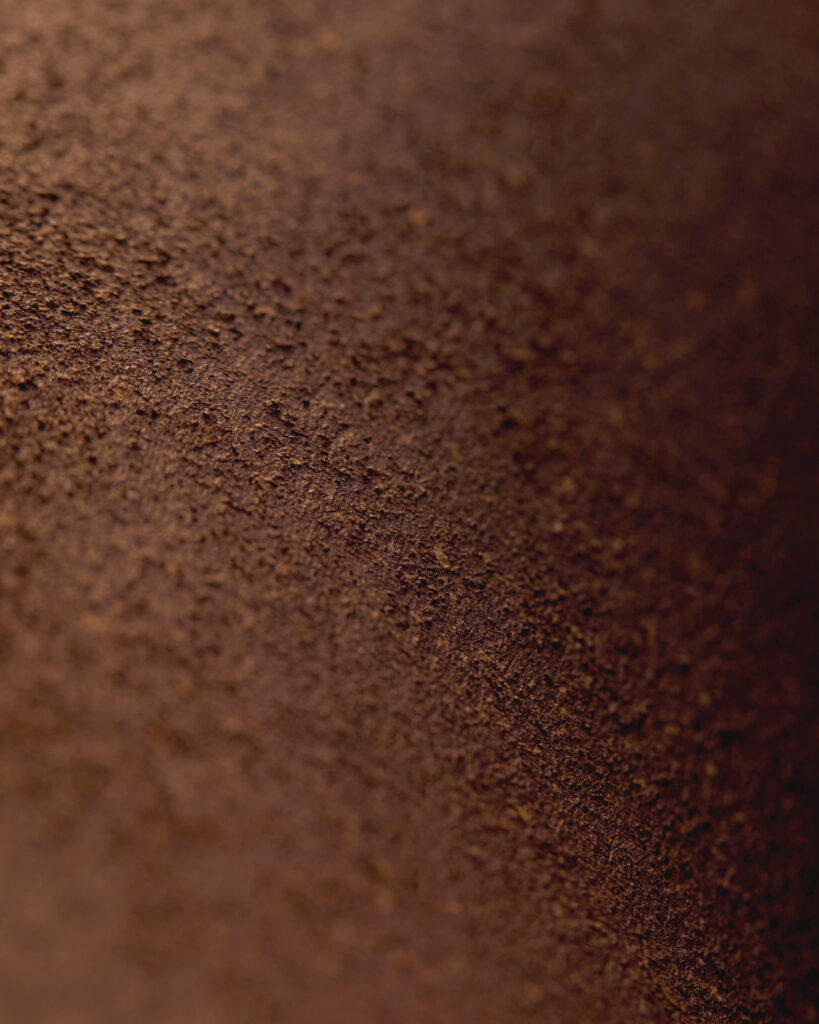
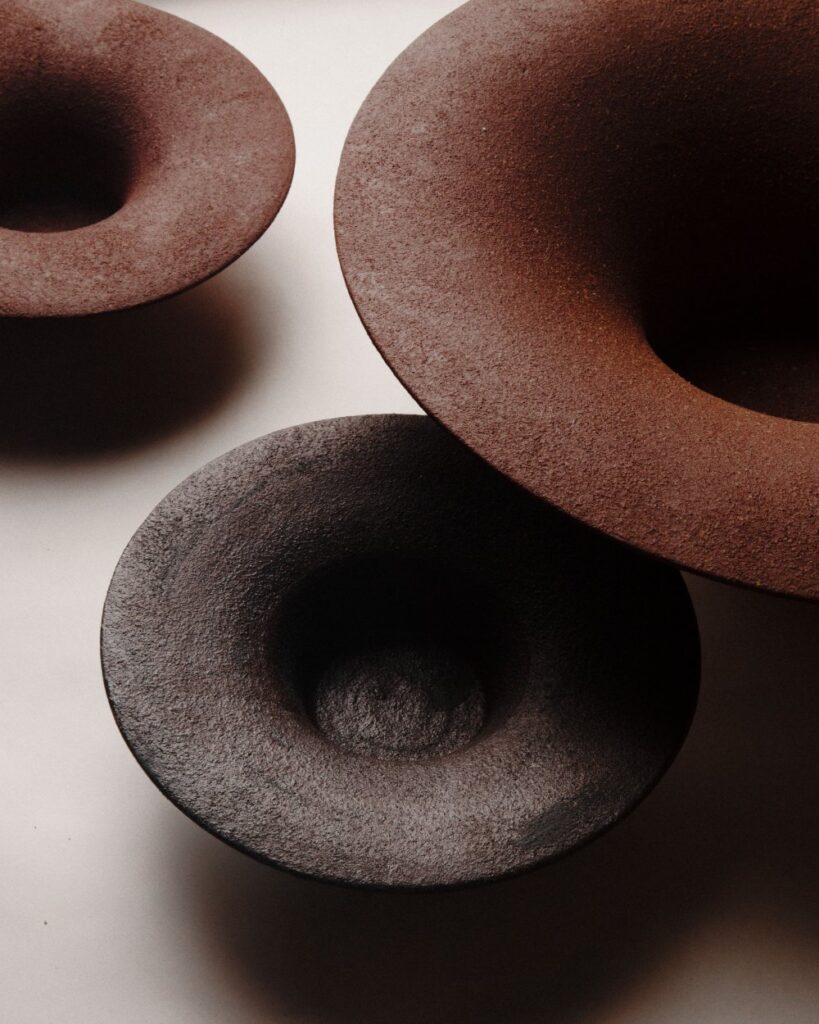
Rust takes its colour from layered oxide washes that build up across the surface, leaving the bowl with the look of oxidised iron after long exposure to air and earth. The colour shifts subtly across the body where the washes settle differently, and the texture of the clay stays visible underneath.
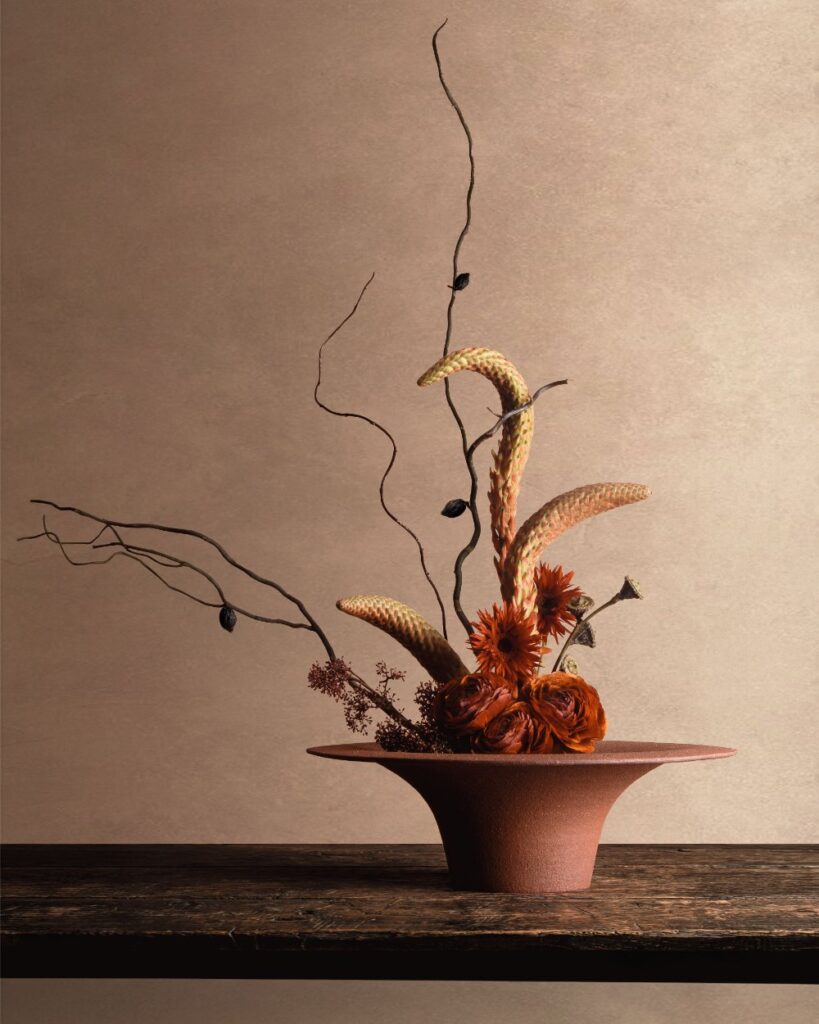
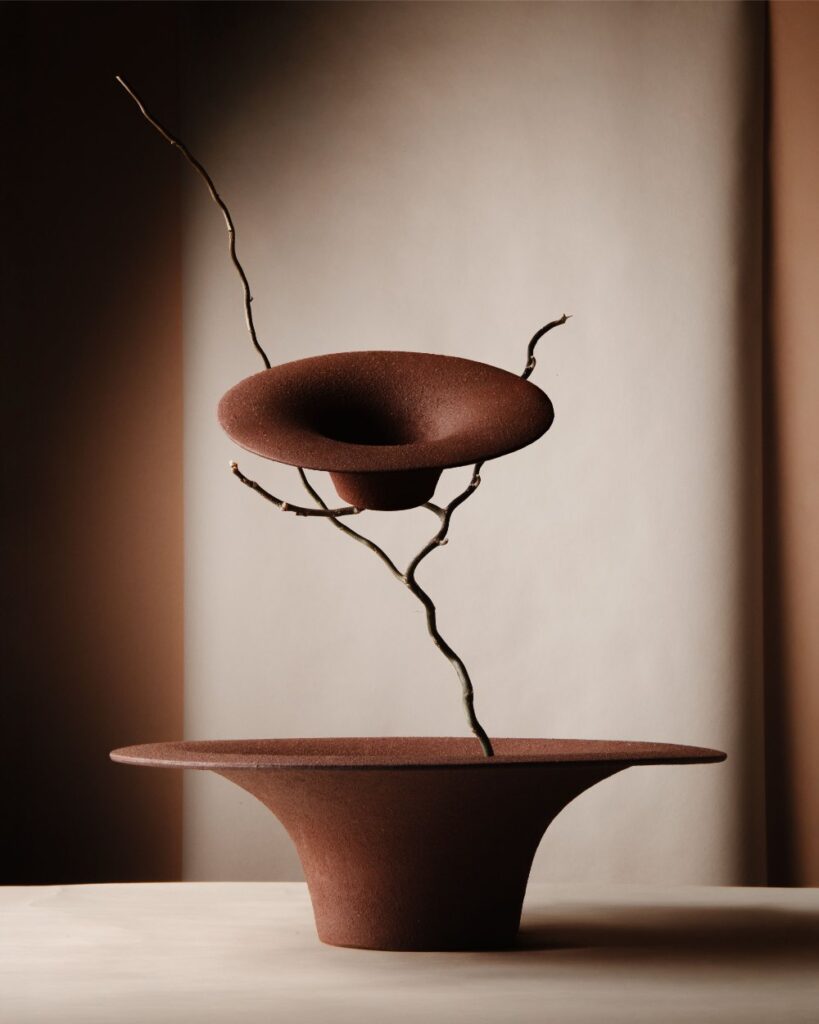
Black Silt
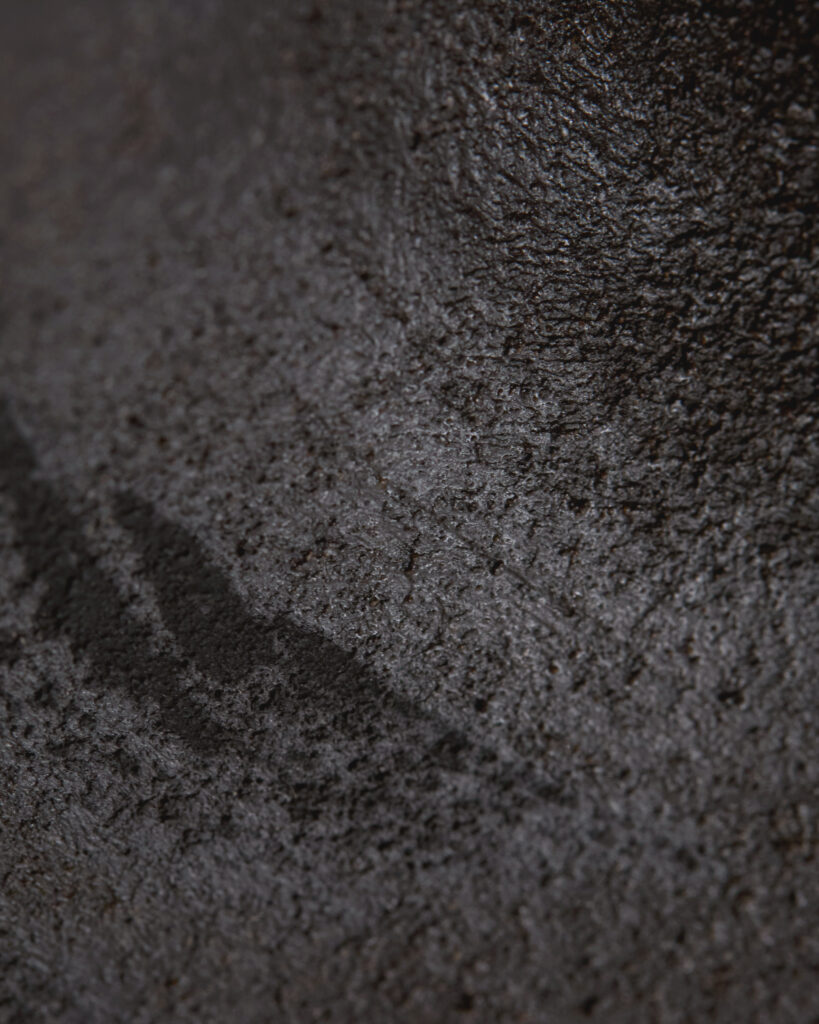
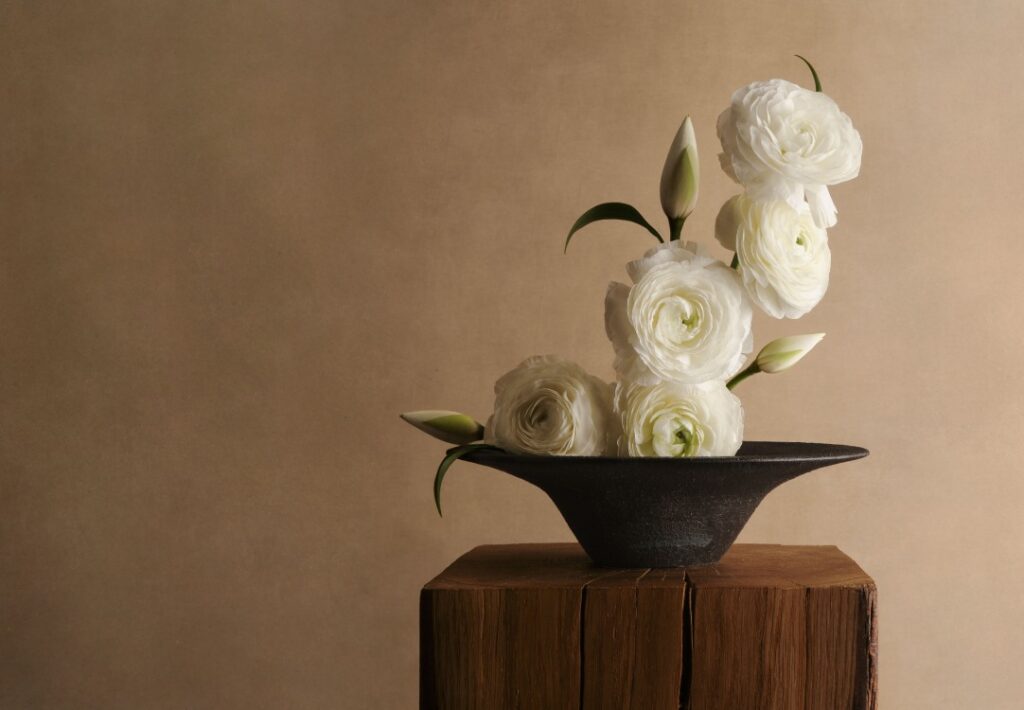
Black Silt is finished in deep, mineral-stained tones that read closer to wet earth than to a fired ceramic surface. The colour holds the dense, fertile darkness of regenerative soil, the kind of ground that returns to fertility after fire or flood. The texture of the clay stays visible beneath the finish, so the surface reads as both worked and grown.
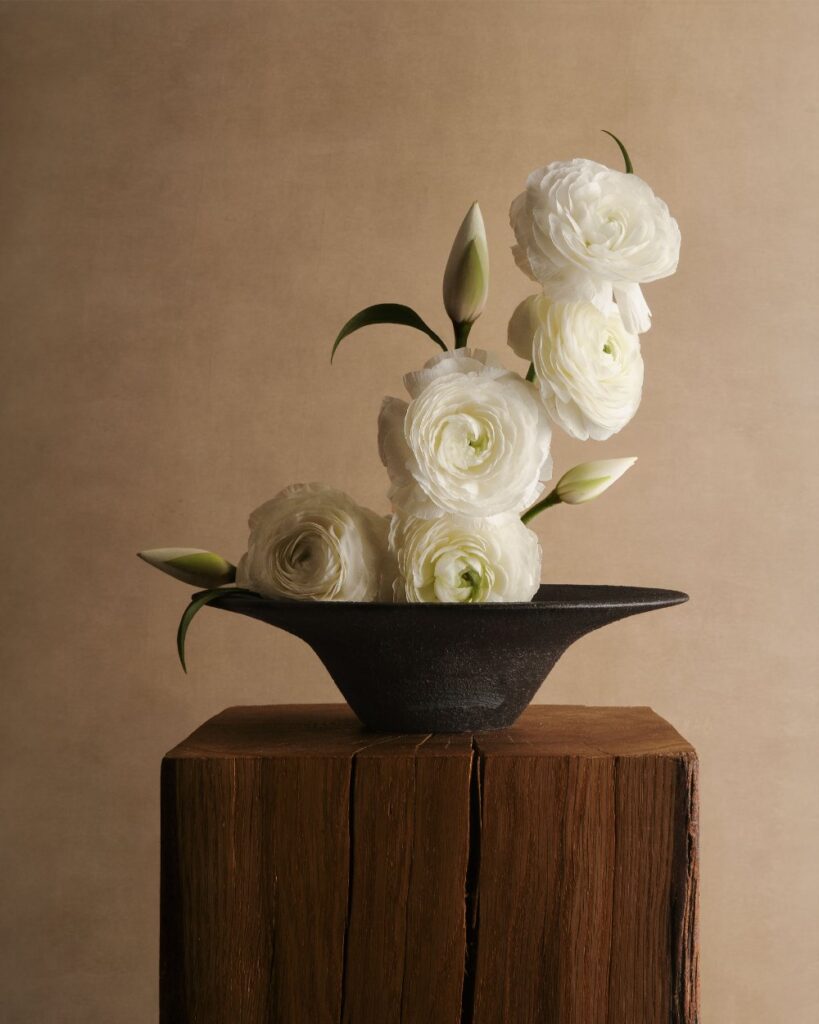
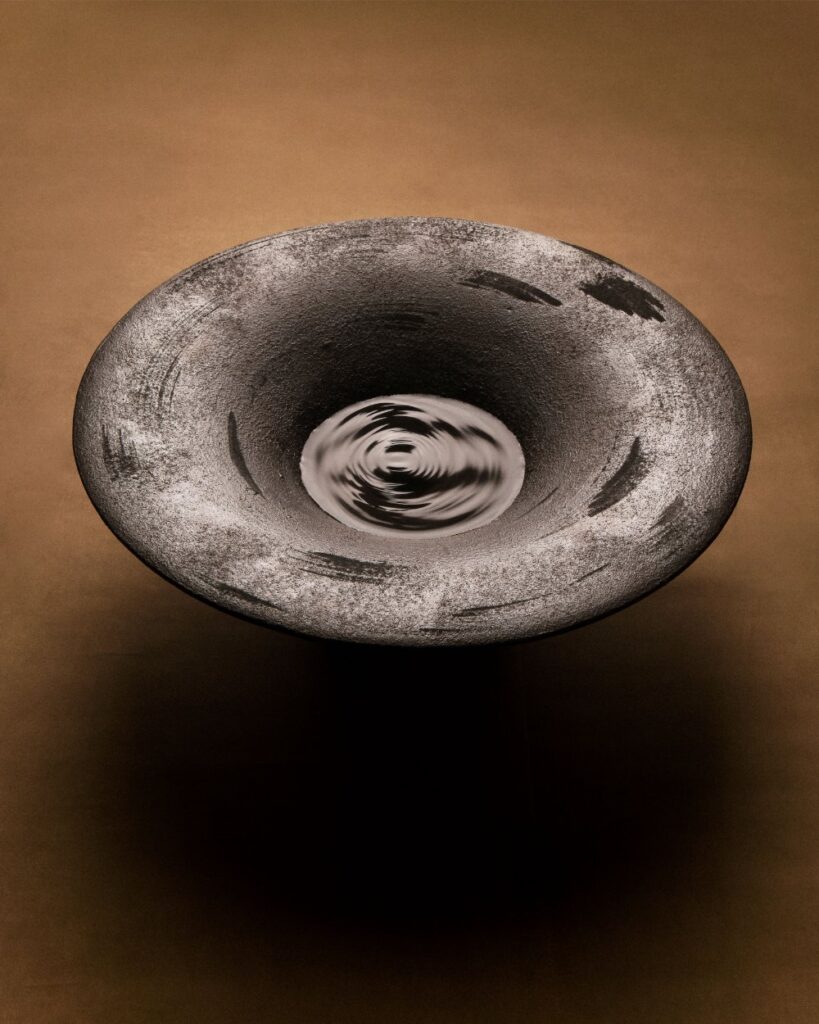
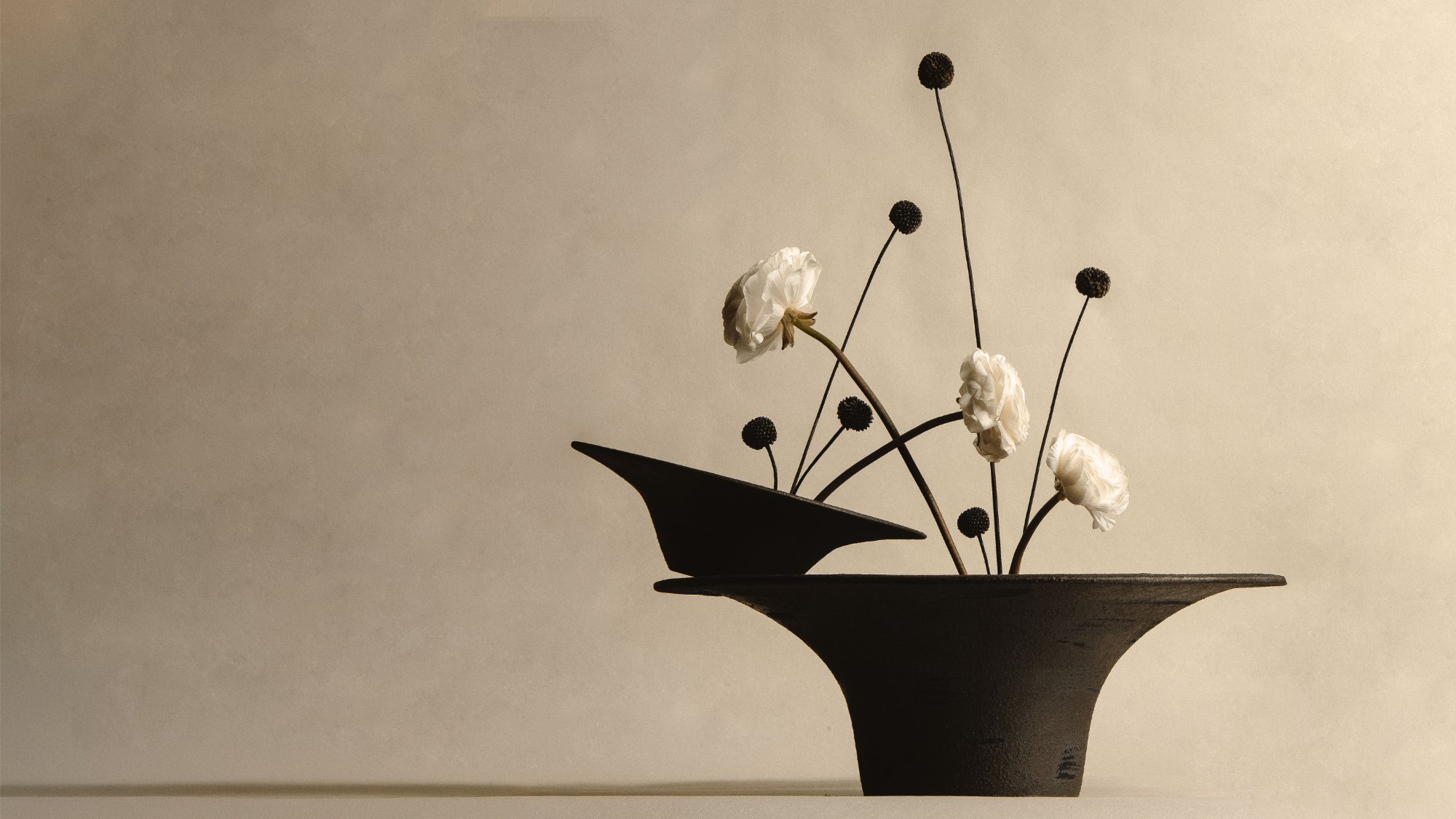
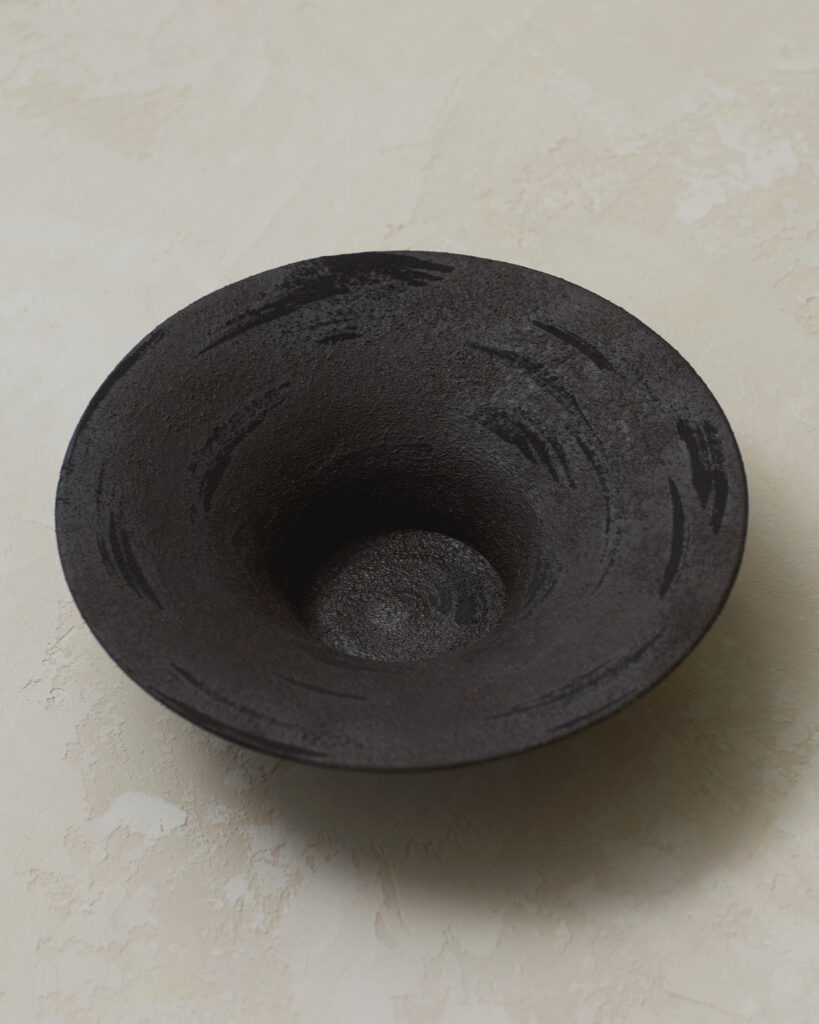
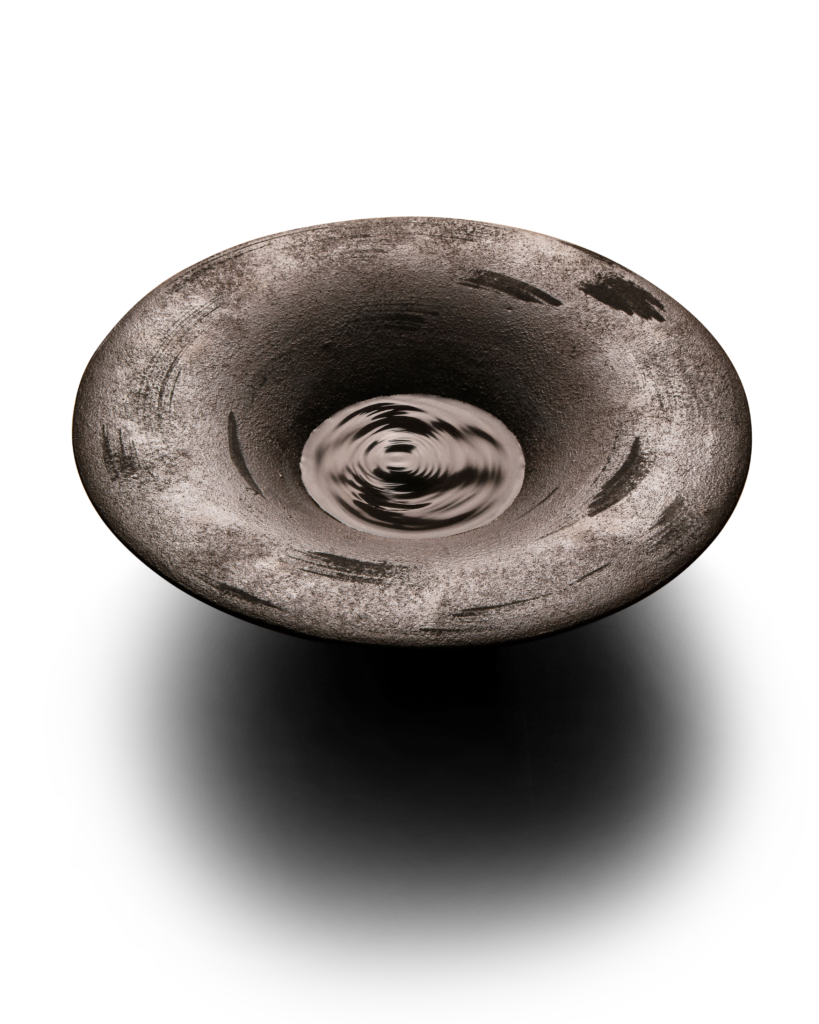
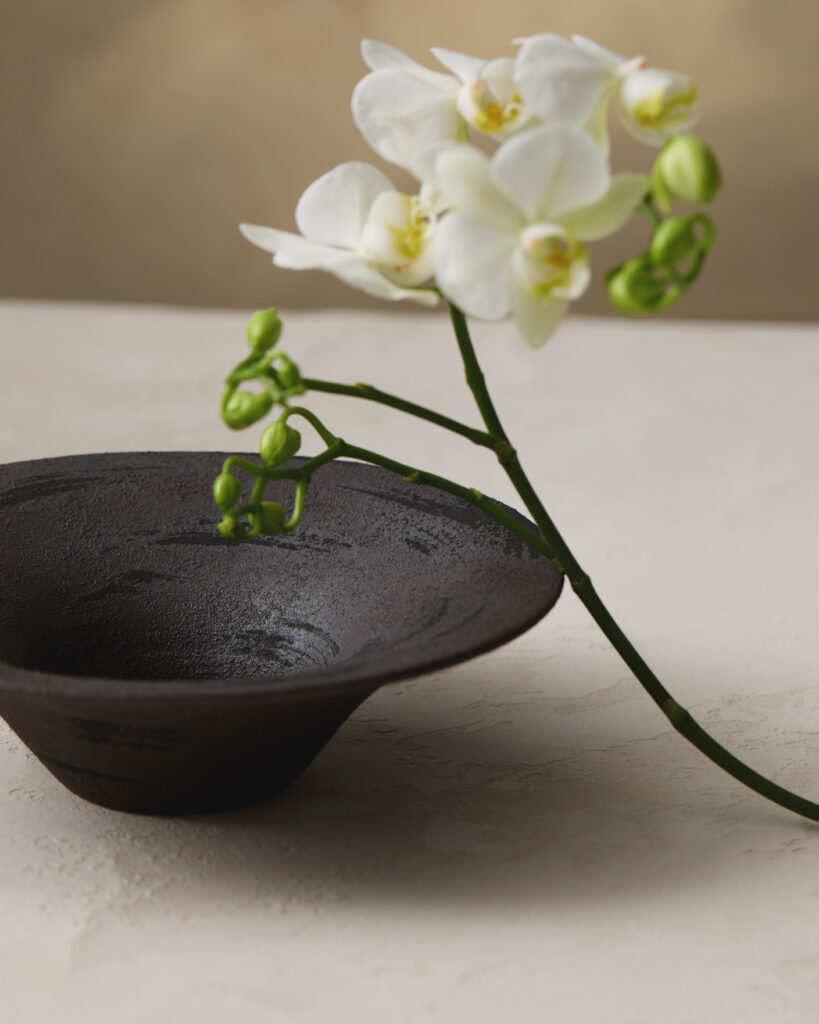
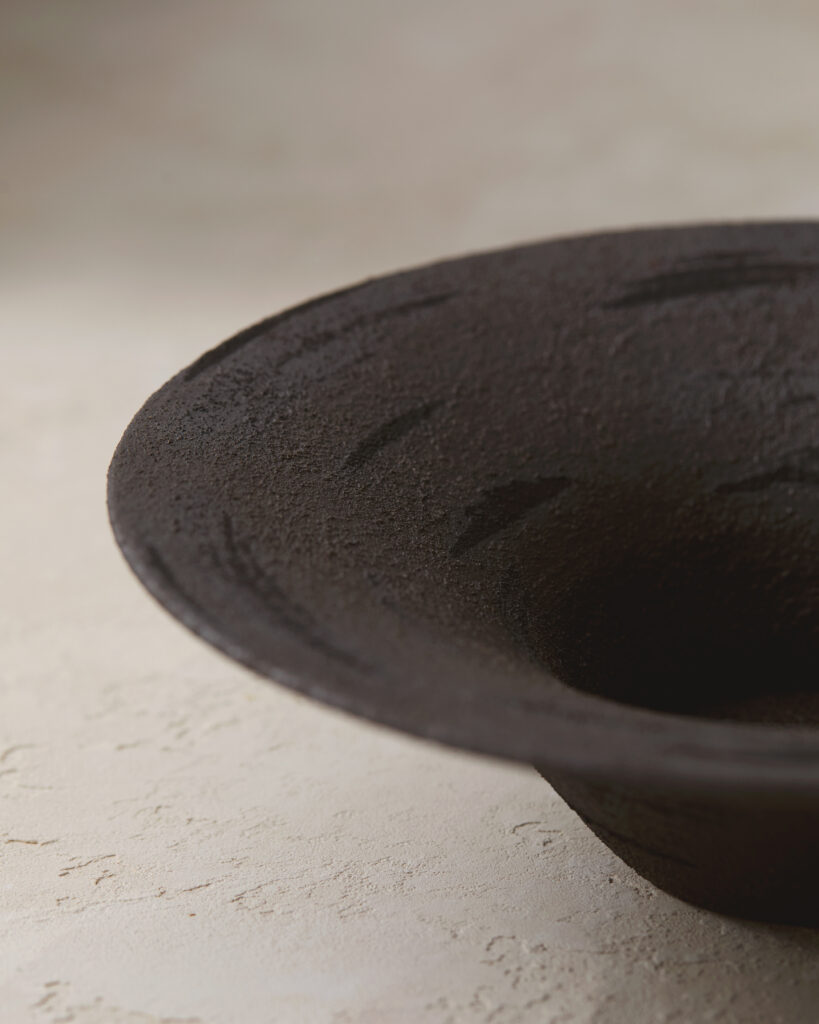
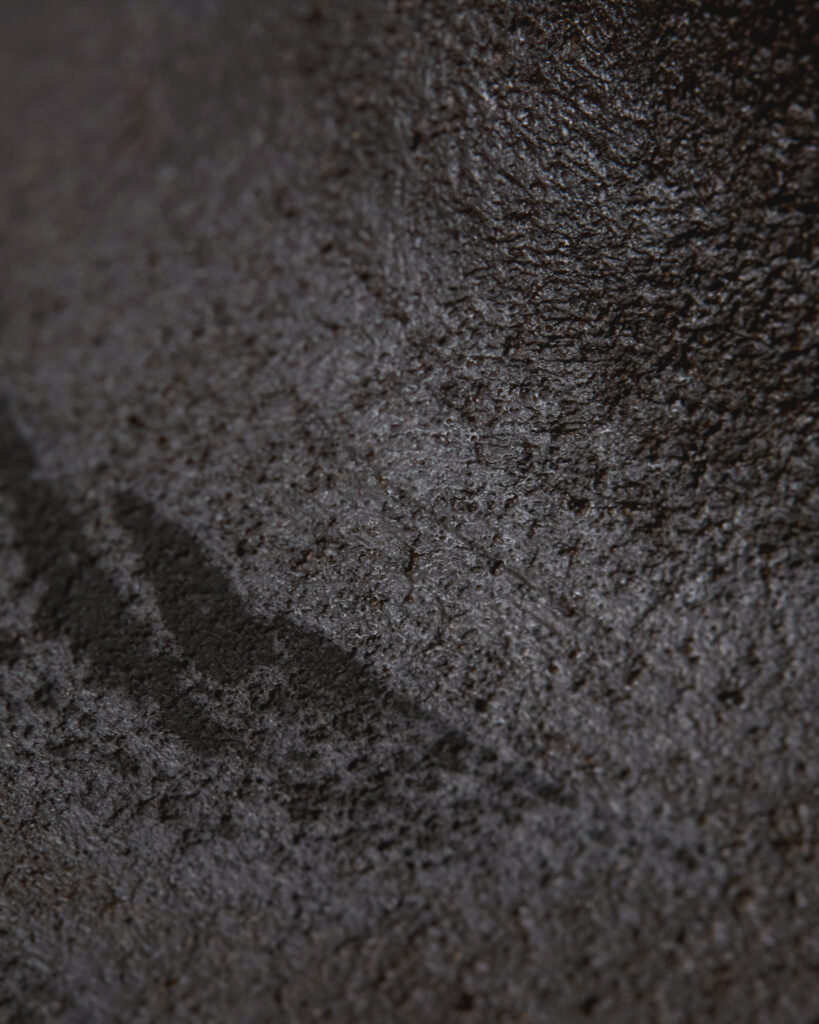
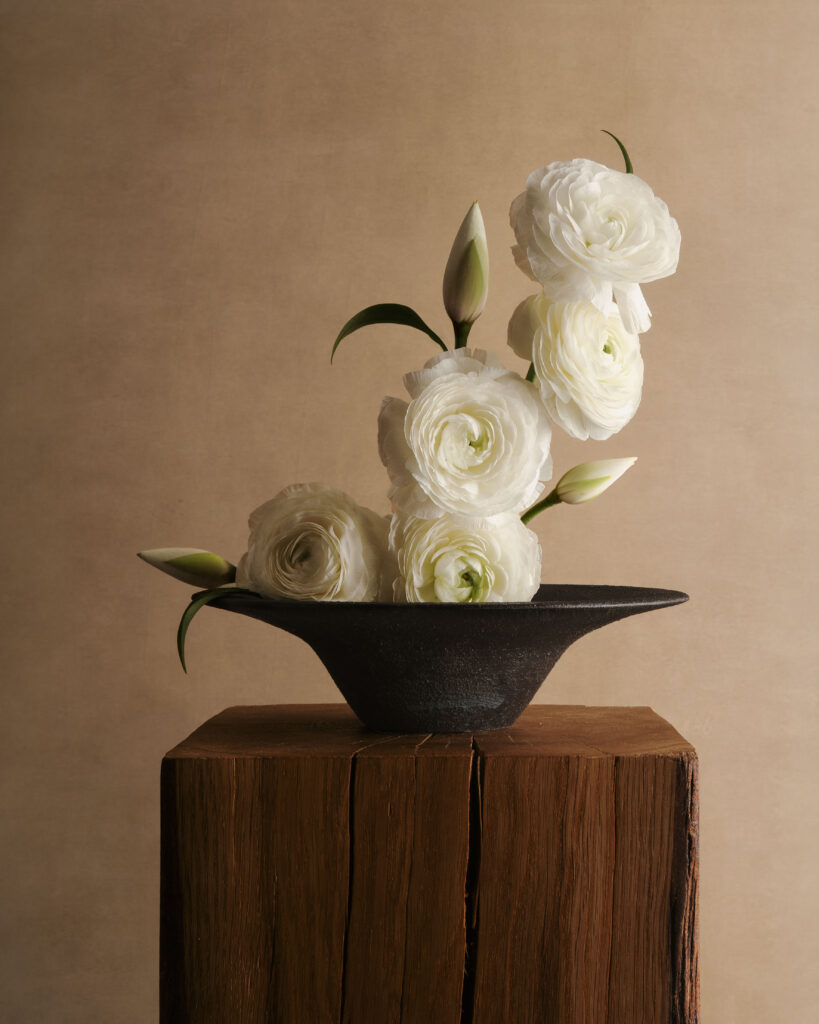
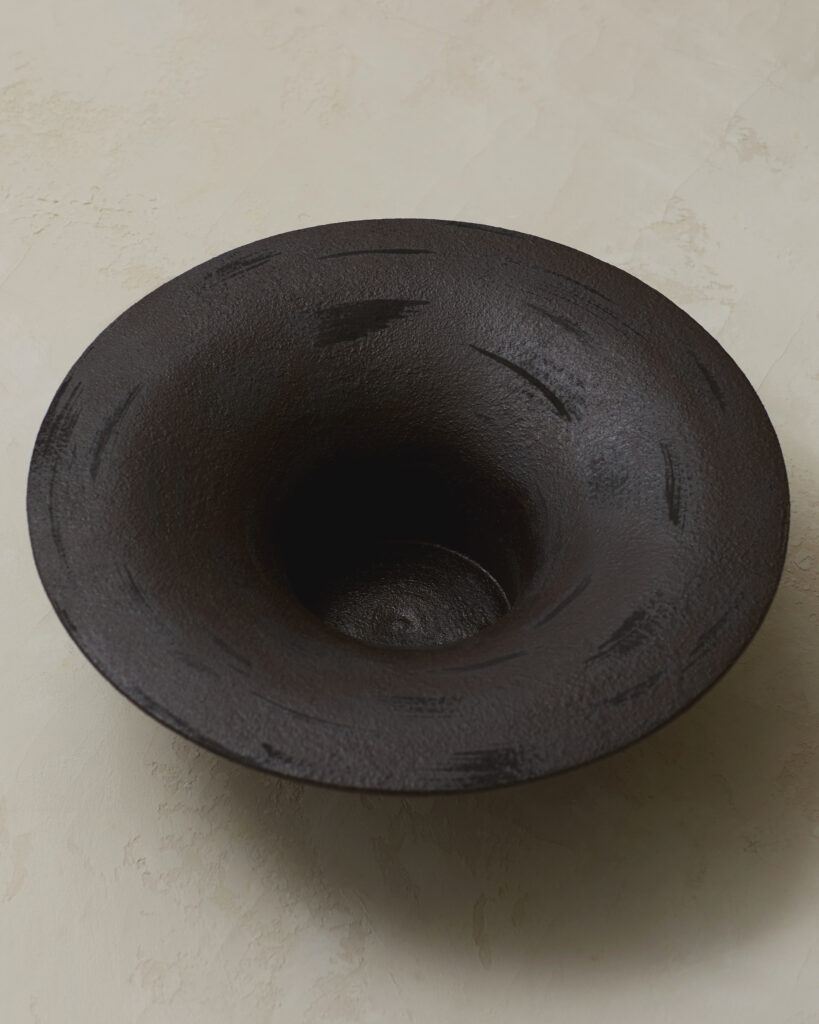


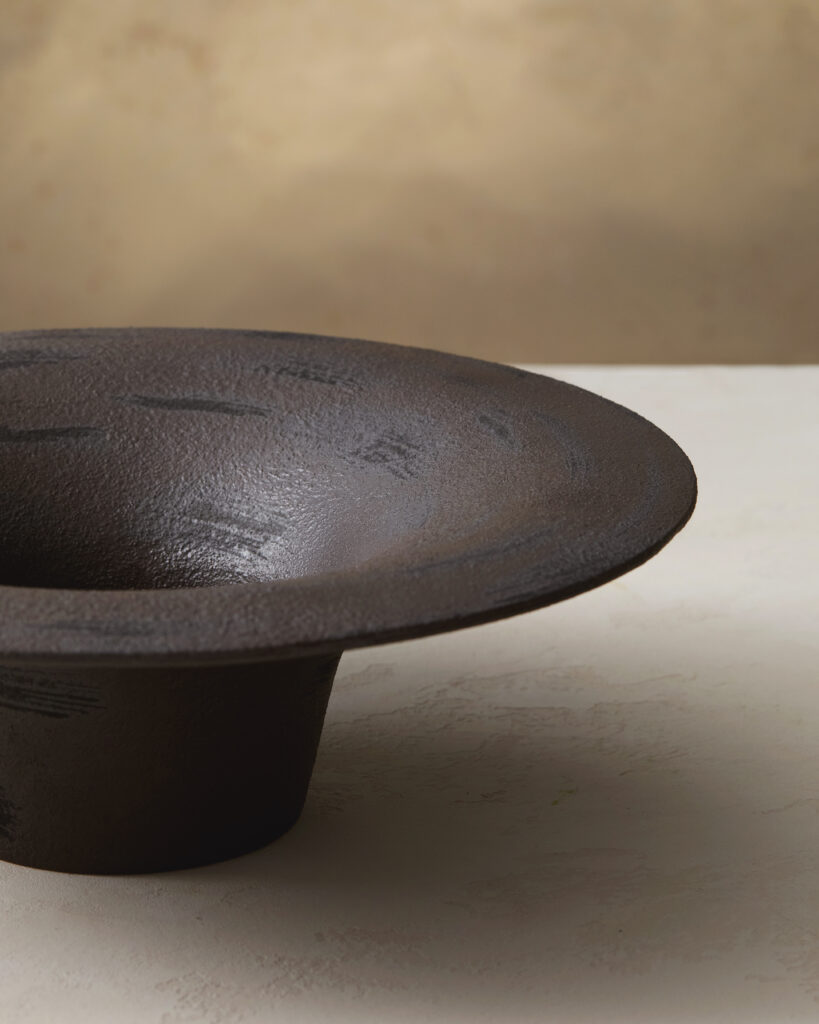
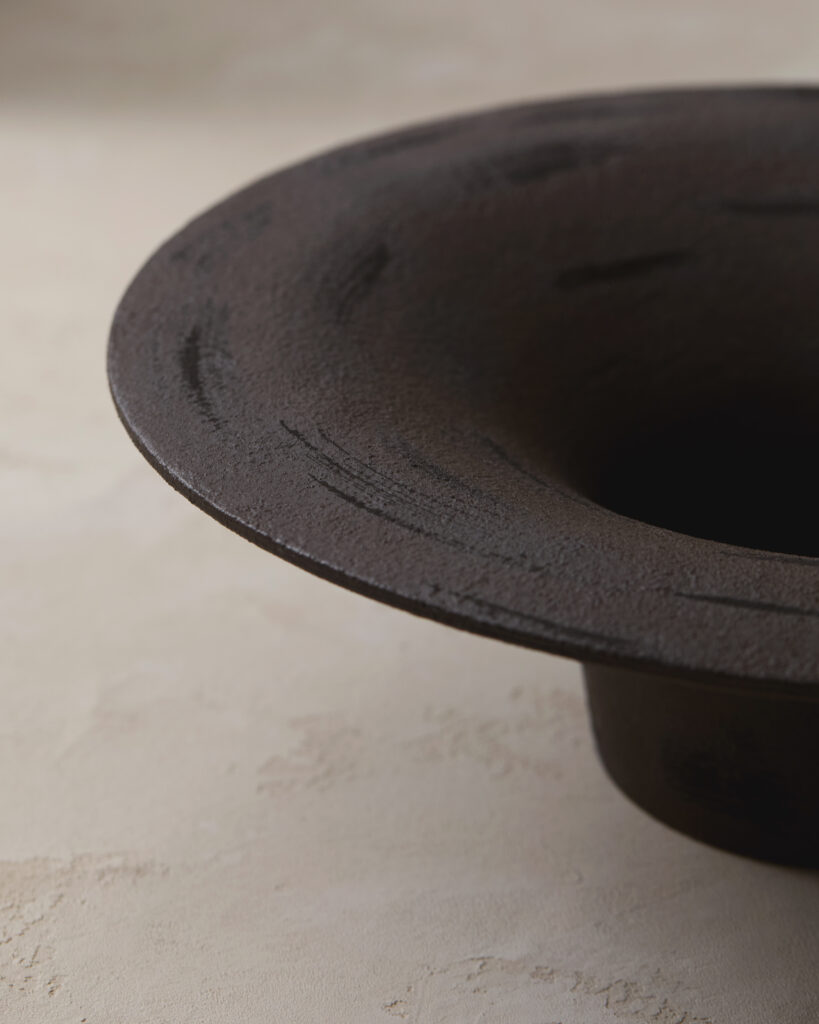
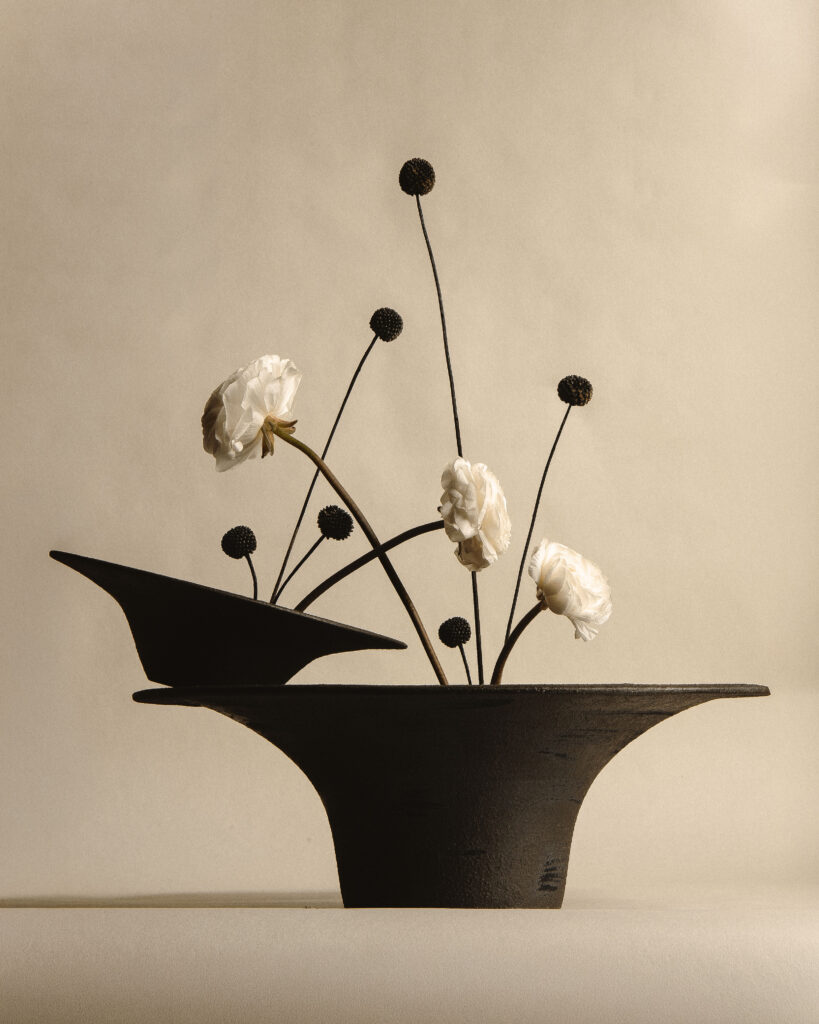
Together, the bowls let the contrast between Rust and Black Silt read across both scales, the same surface story told twice at different volumes. Styled as a pair or grouped together, the contrast between the two sizes gives the collection added presence.

.svg)
.svg)

