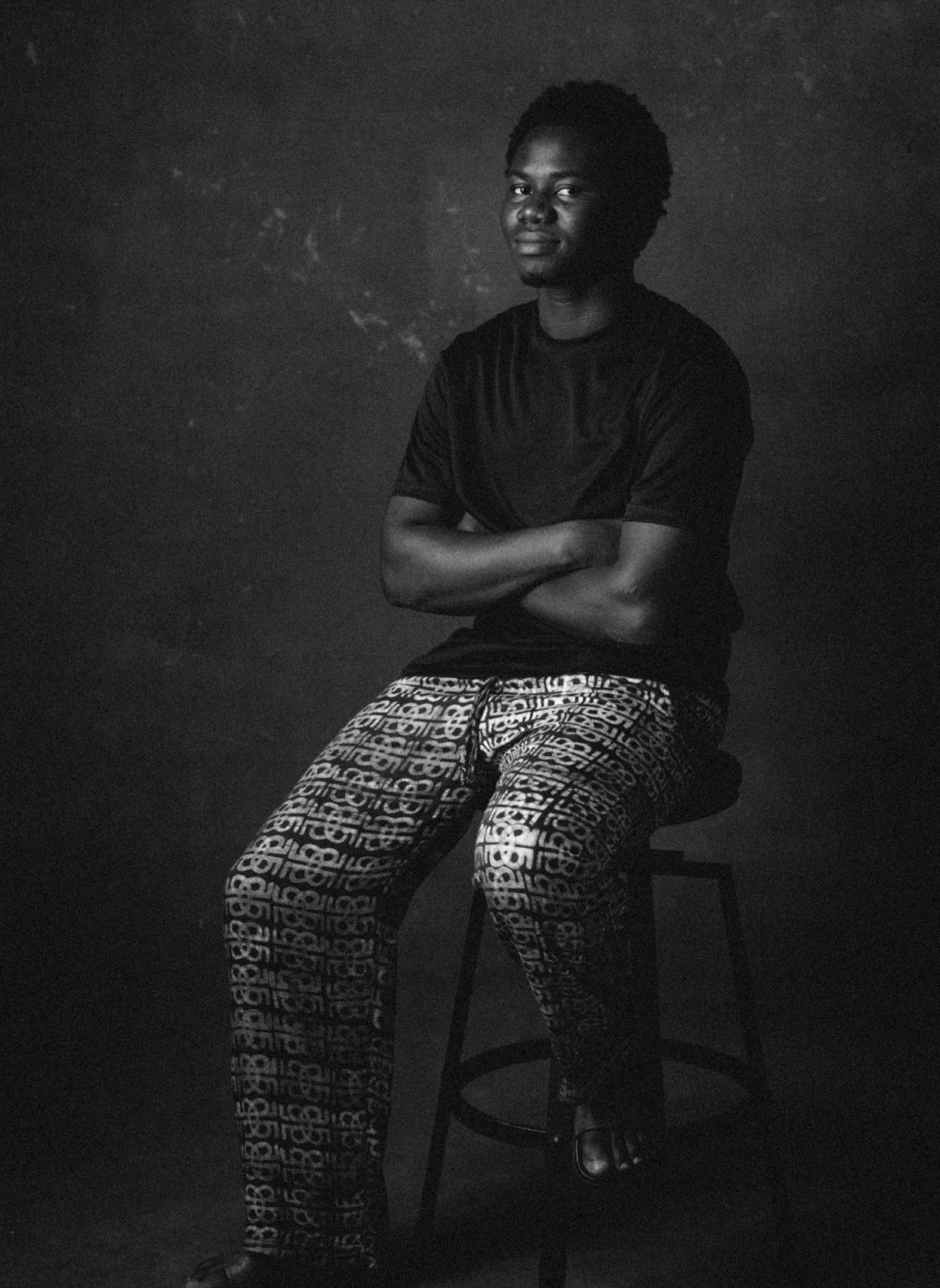
Prince Dzugbazah is a self-taught ceramic artist working in Vume, a riverside town in Ghana’s Volta Region with a pottery tradition stretching back over three hundred years. He came to clay through proximity. As a child he observed the village potters at work, and at thirteen he began assisting in a local workshop, kneading clay and preparing materials.
His apprenticeship was informal but rigorous. Prince taught himself by watching, repeating, and refining, and by his late teens was throwing and assembling complex forms alongside potters several decades his senior. He has had no formal training. His method has been built entirely through observation and practice within the Vume tradition.
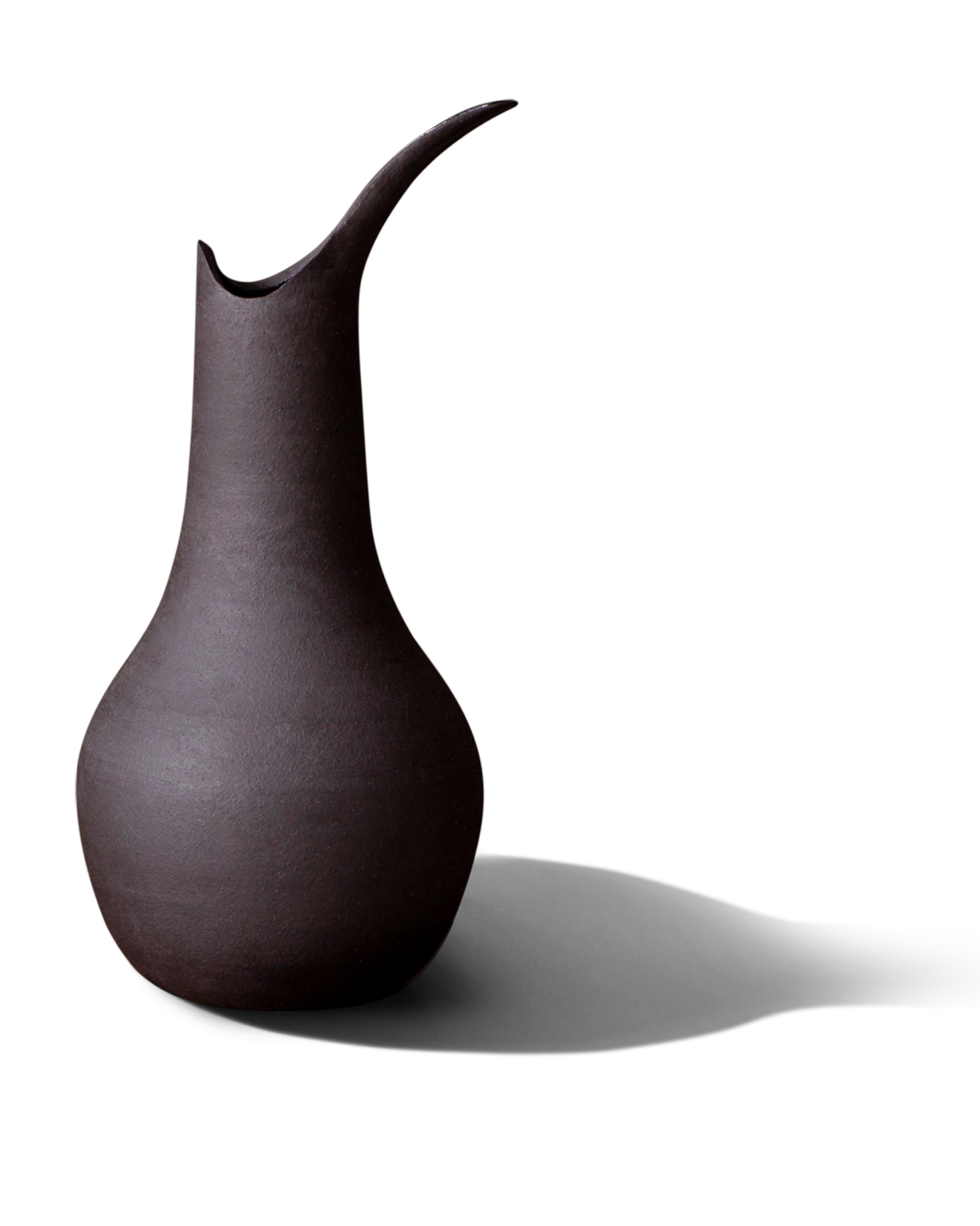
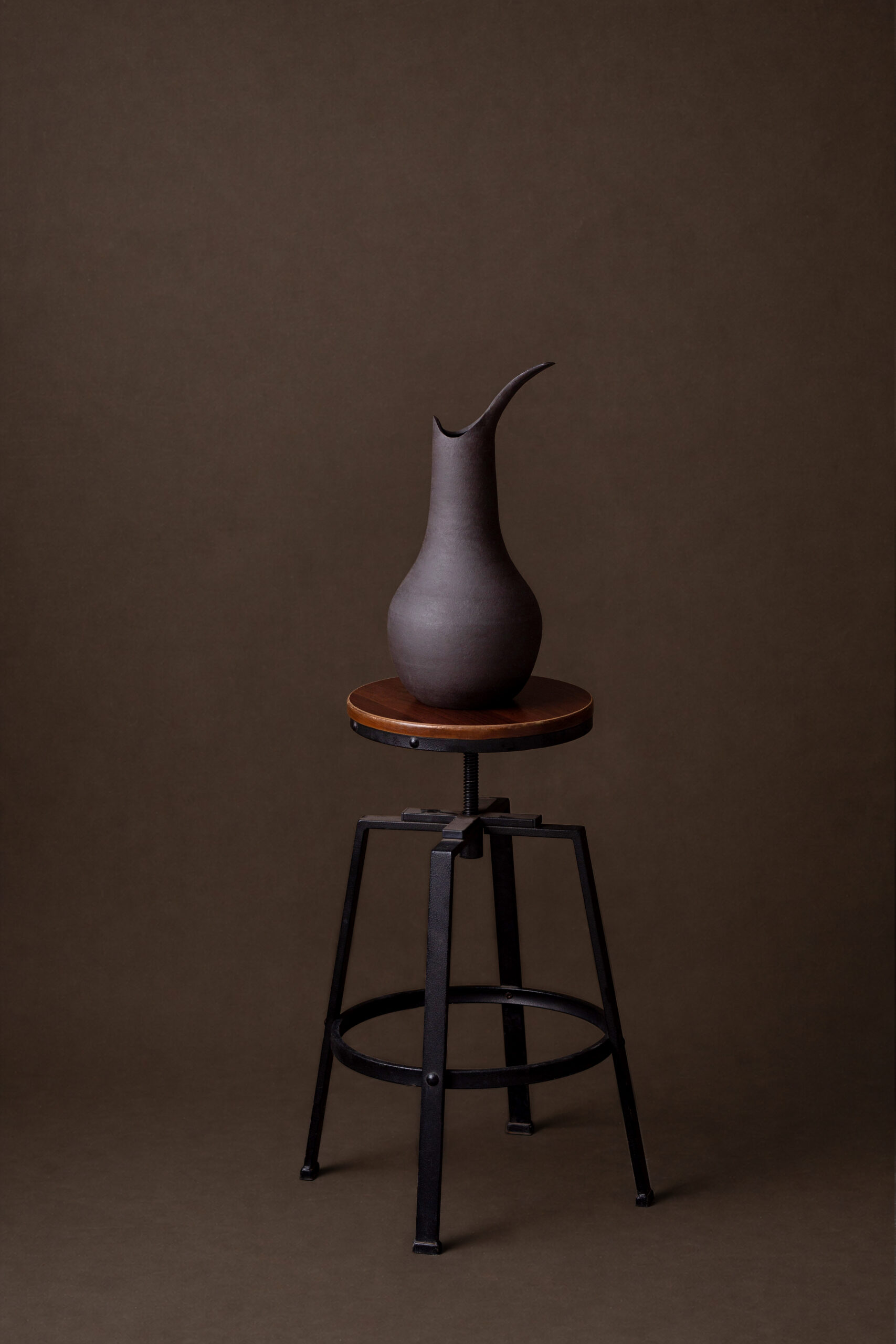
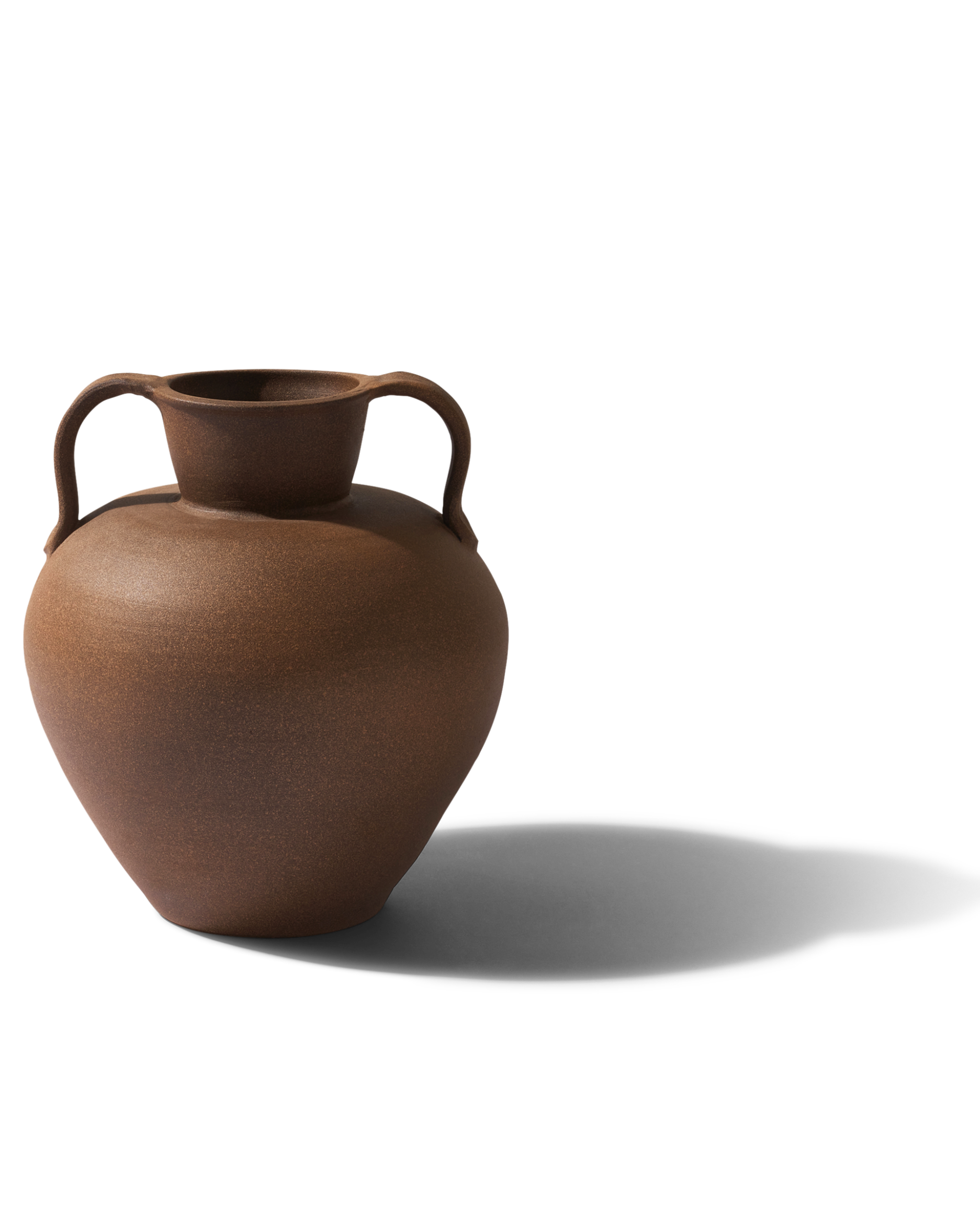
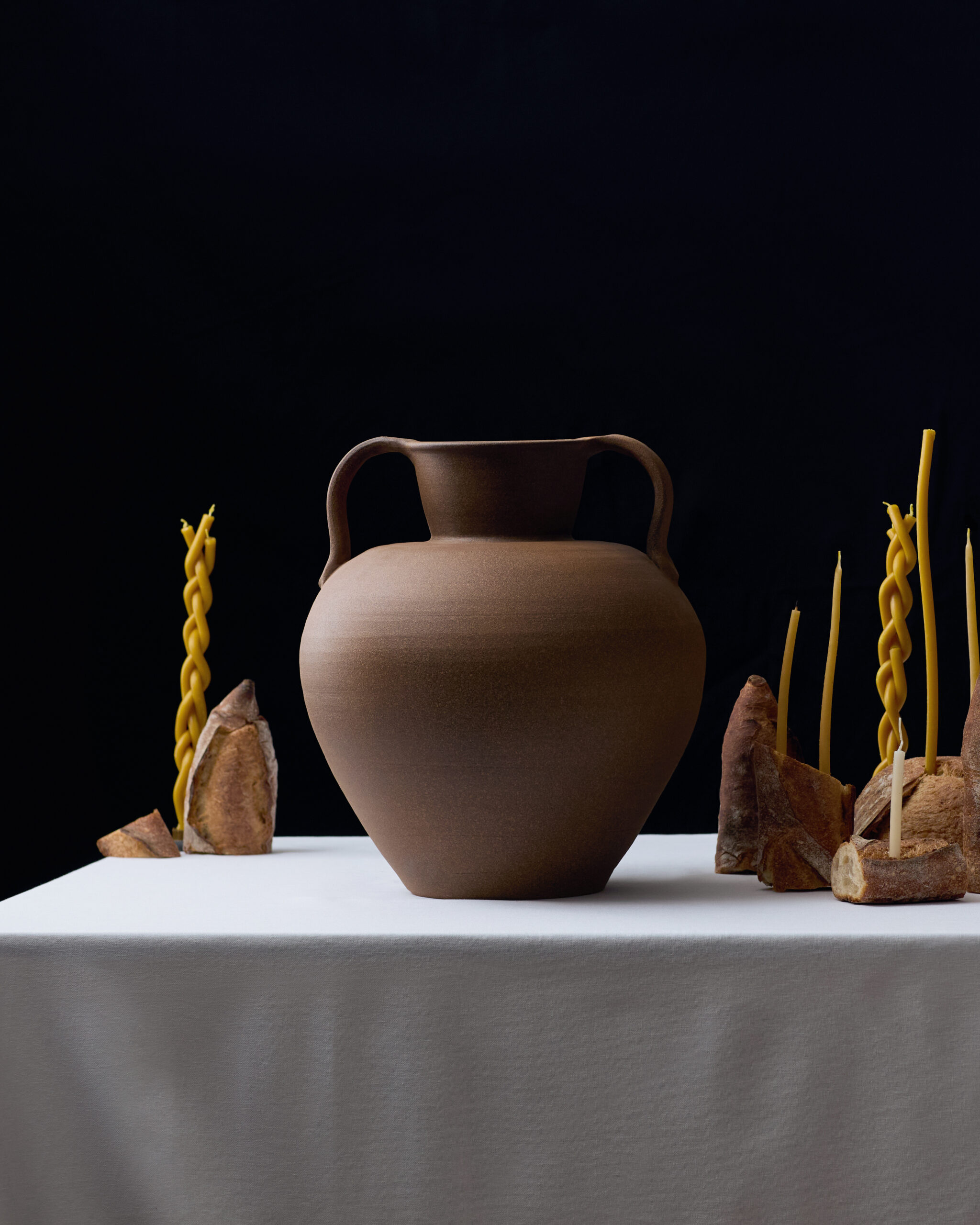
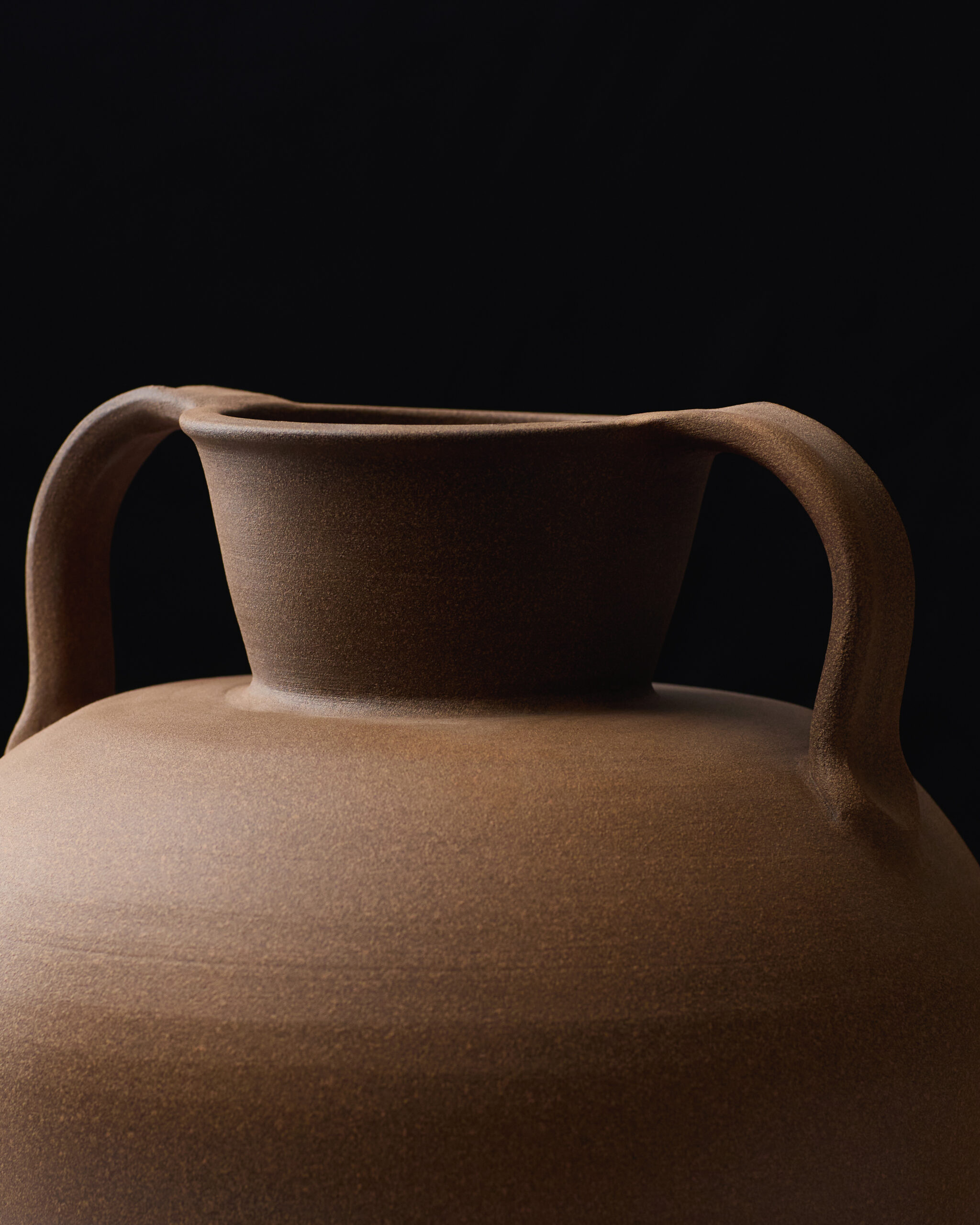
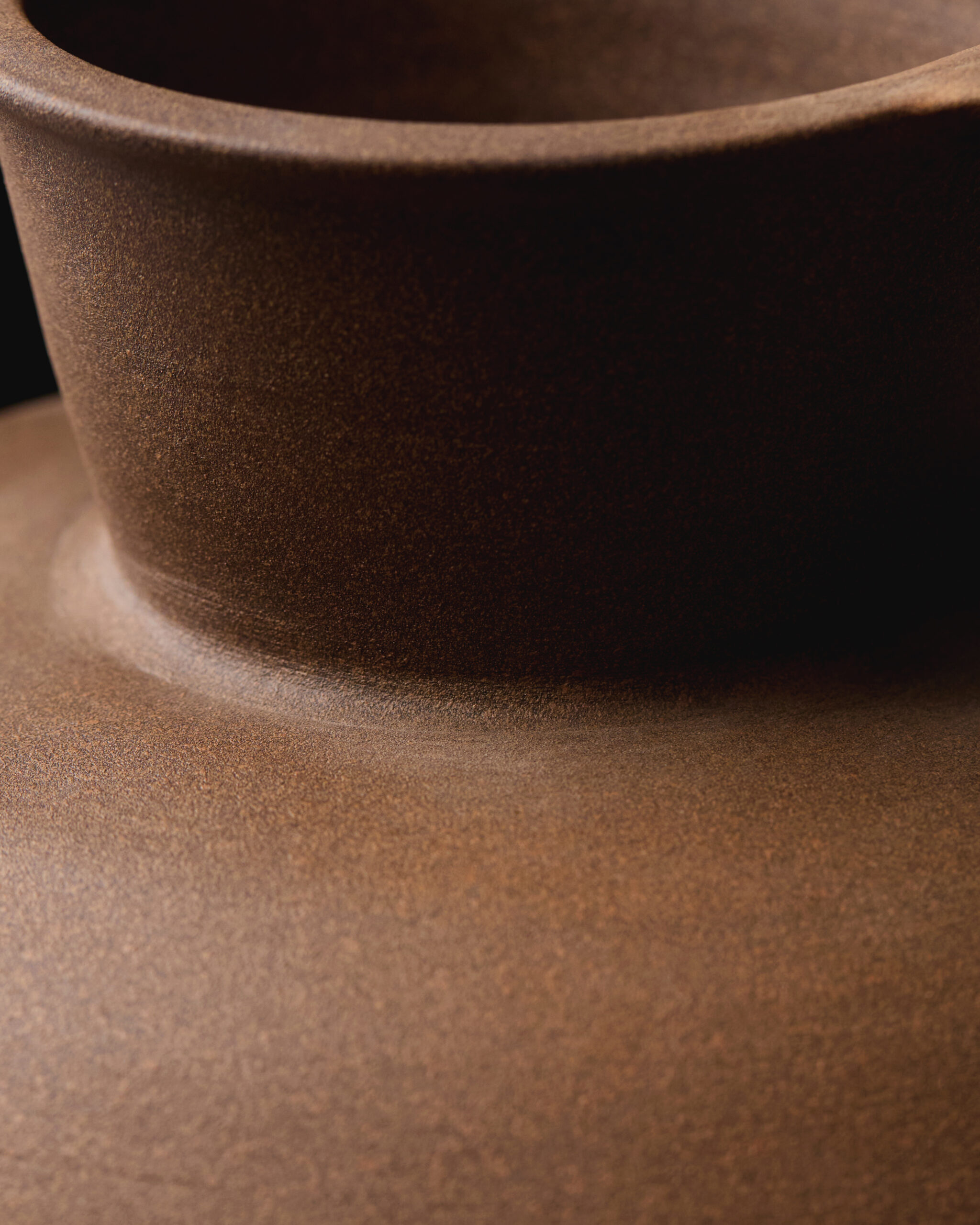
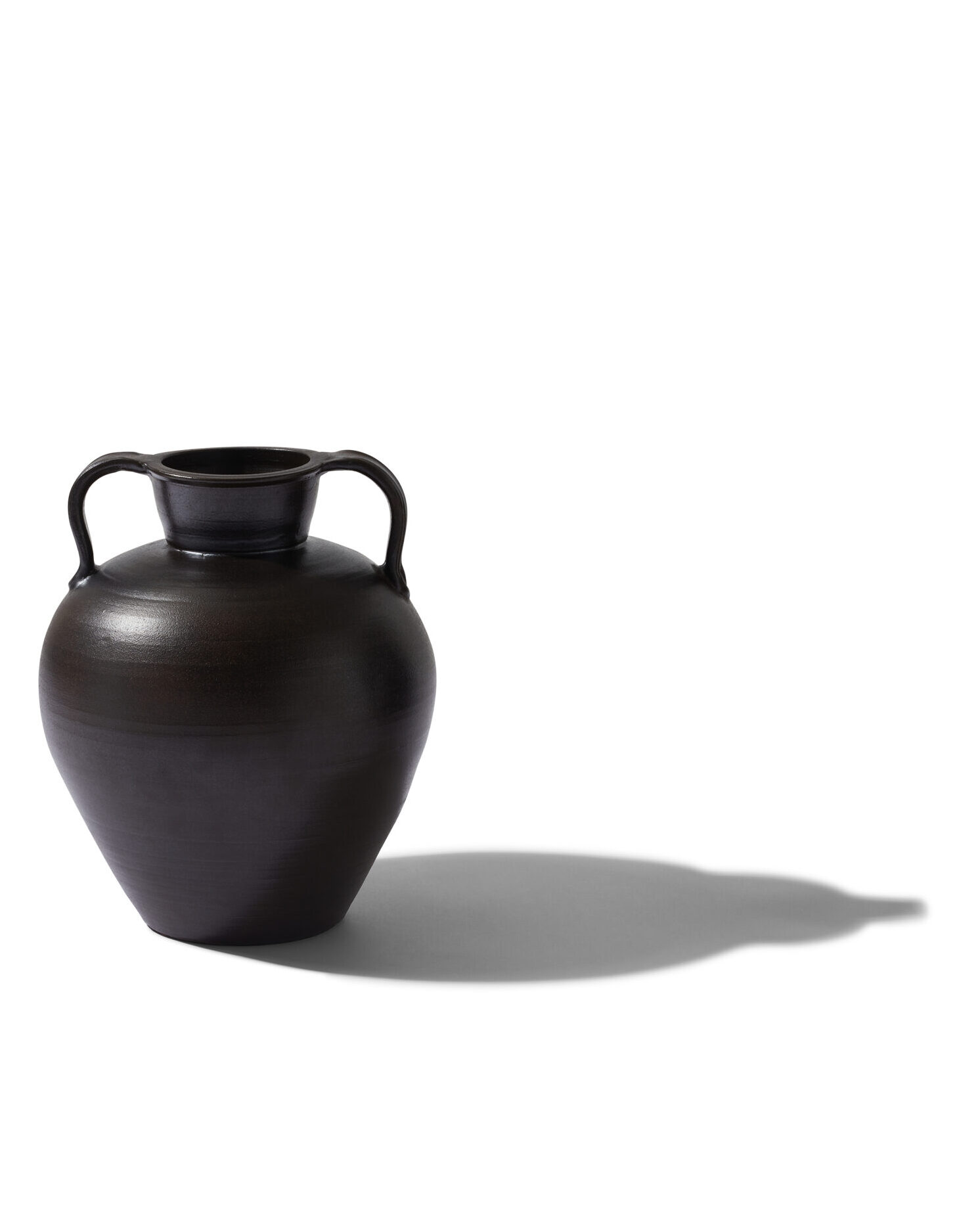
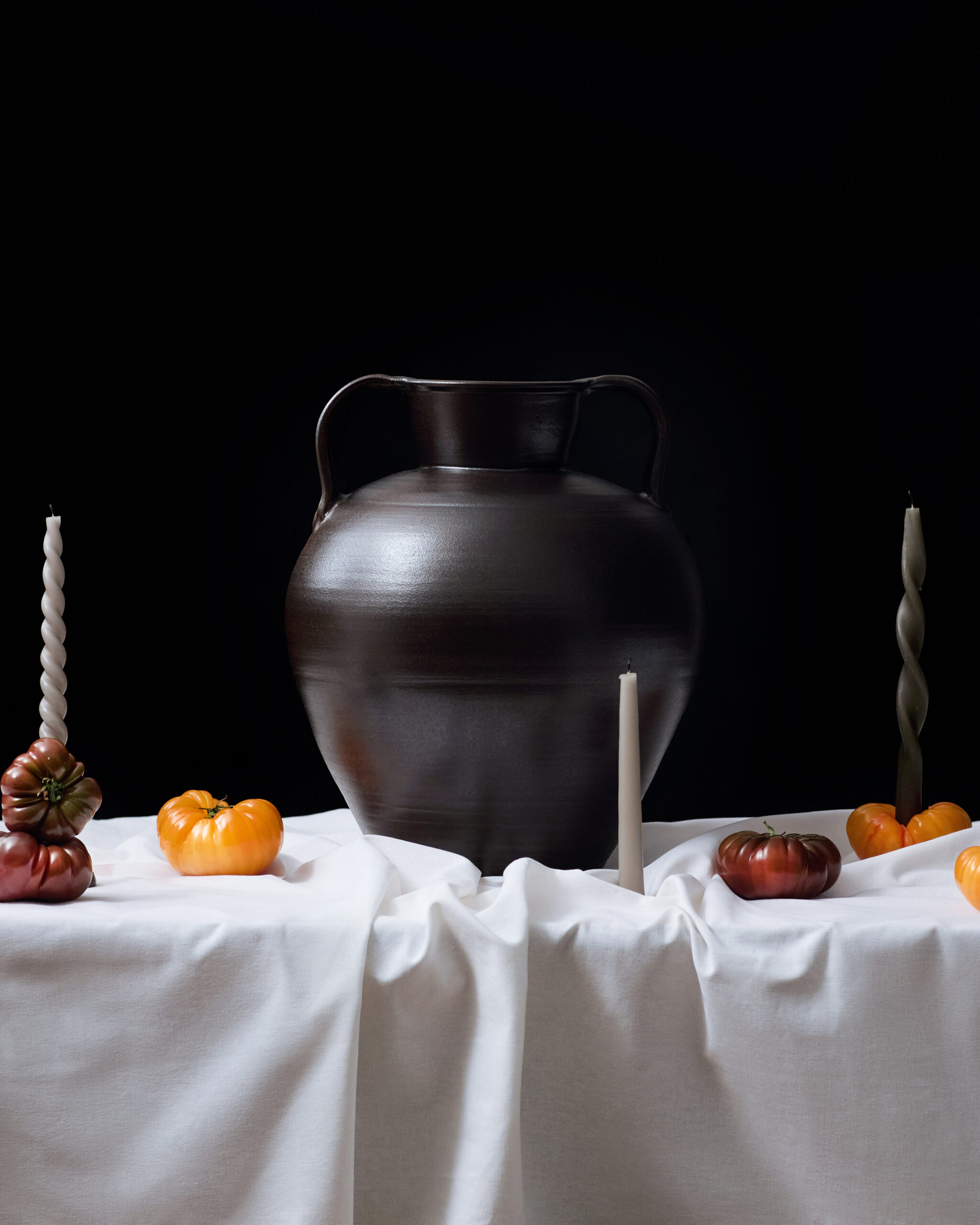
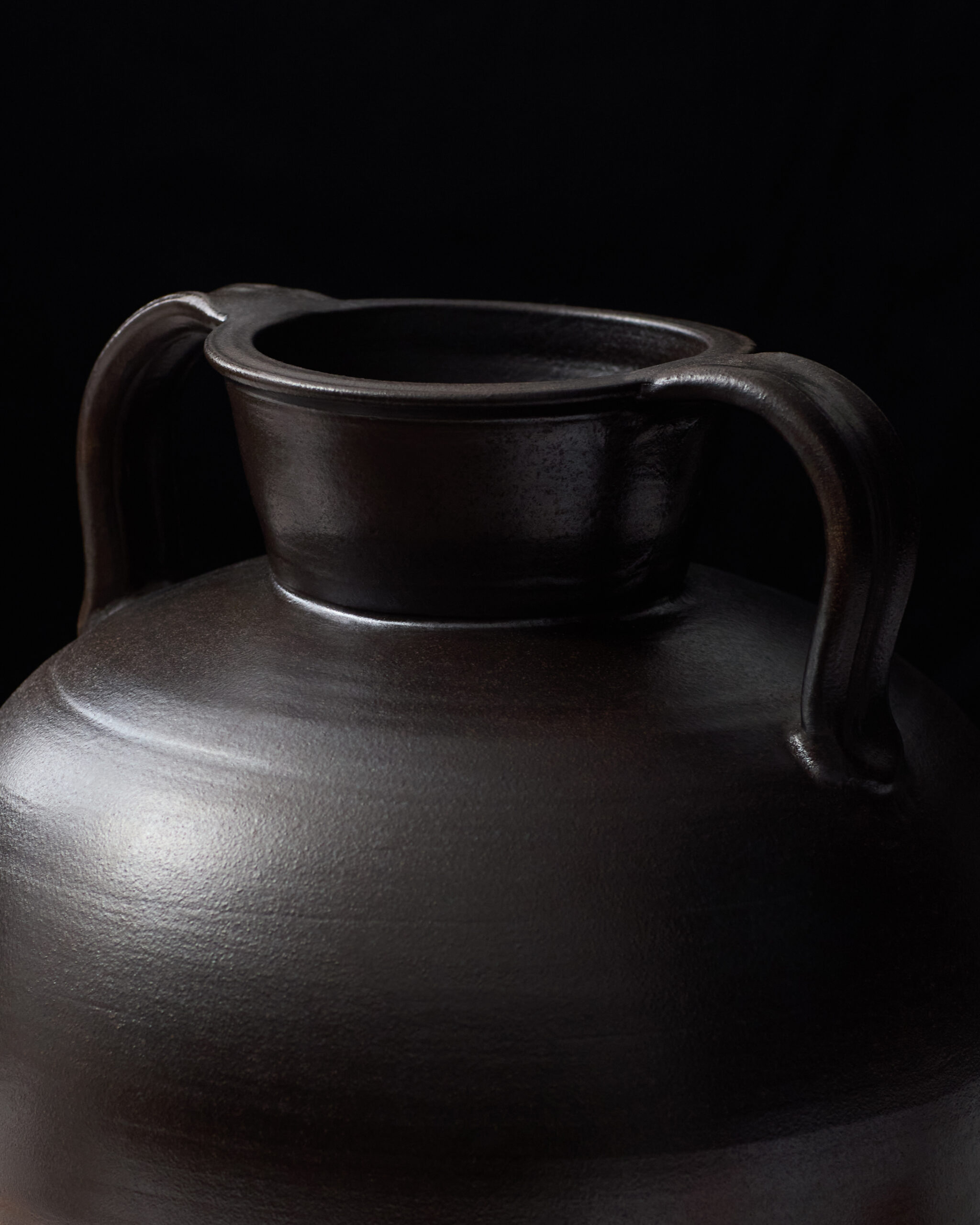
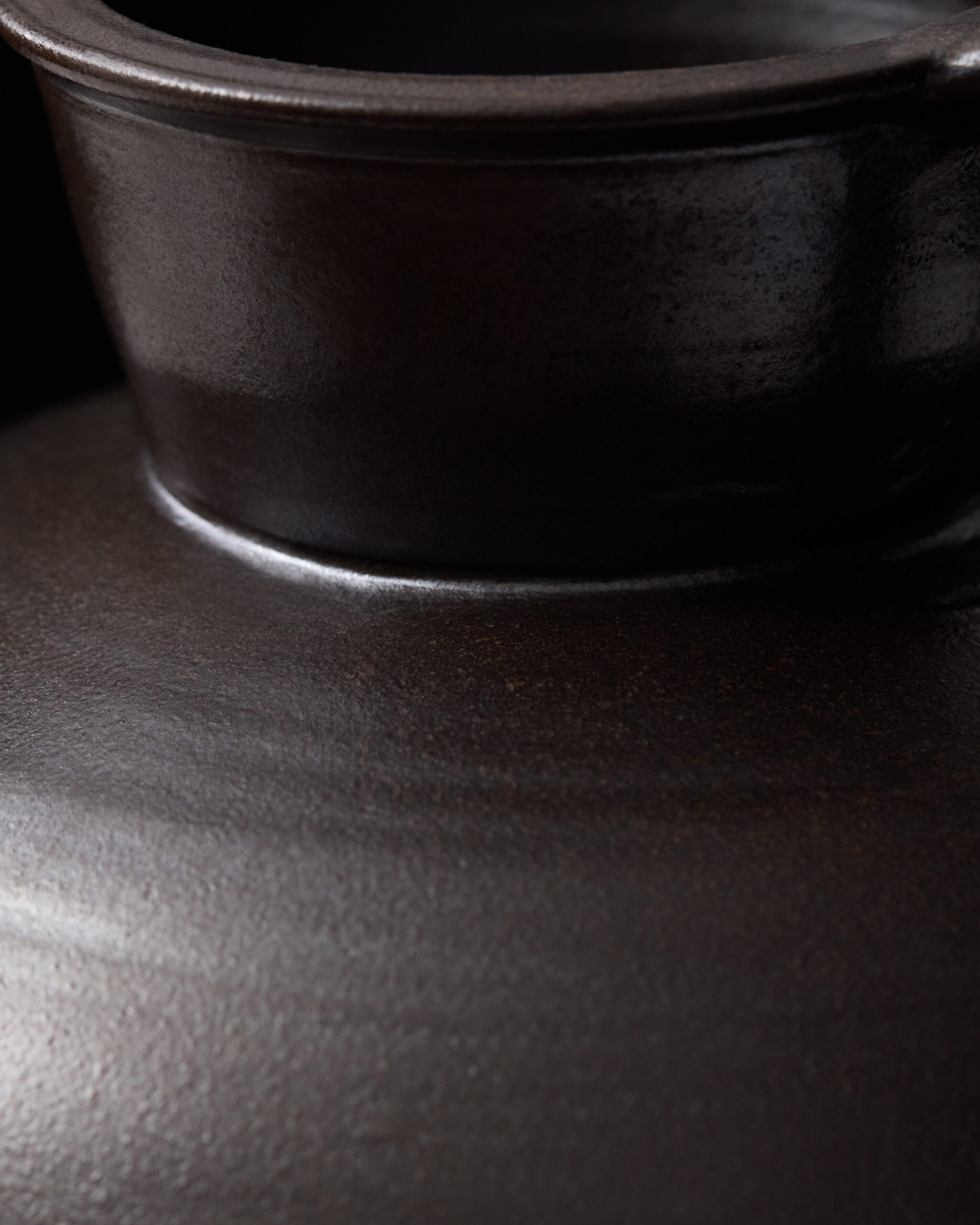
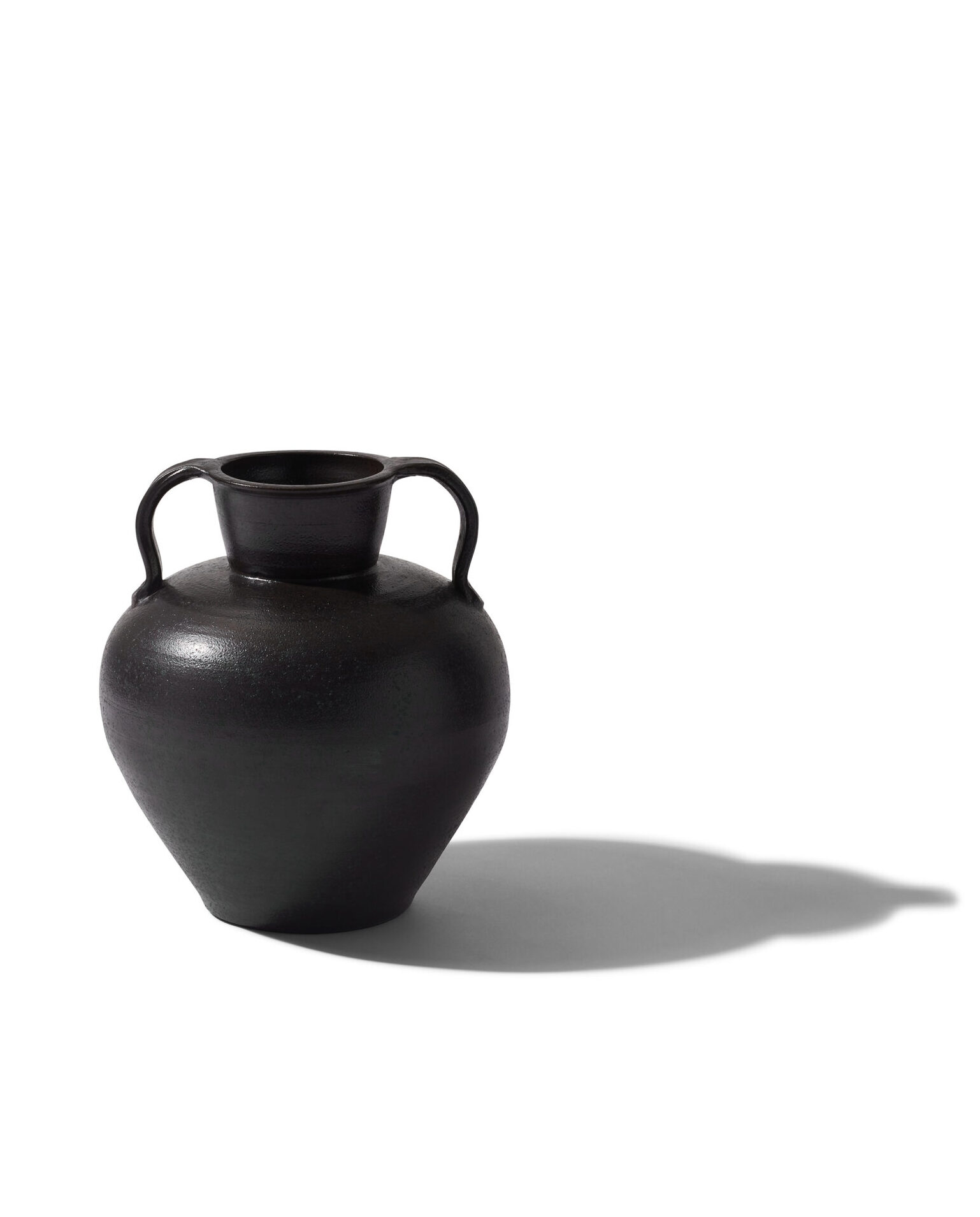
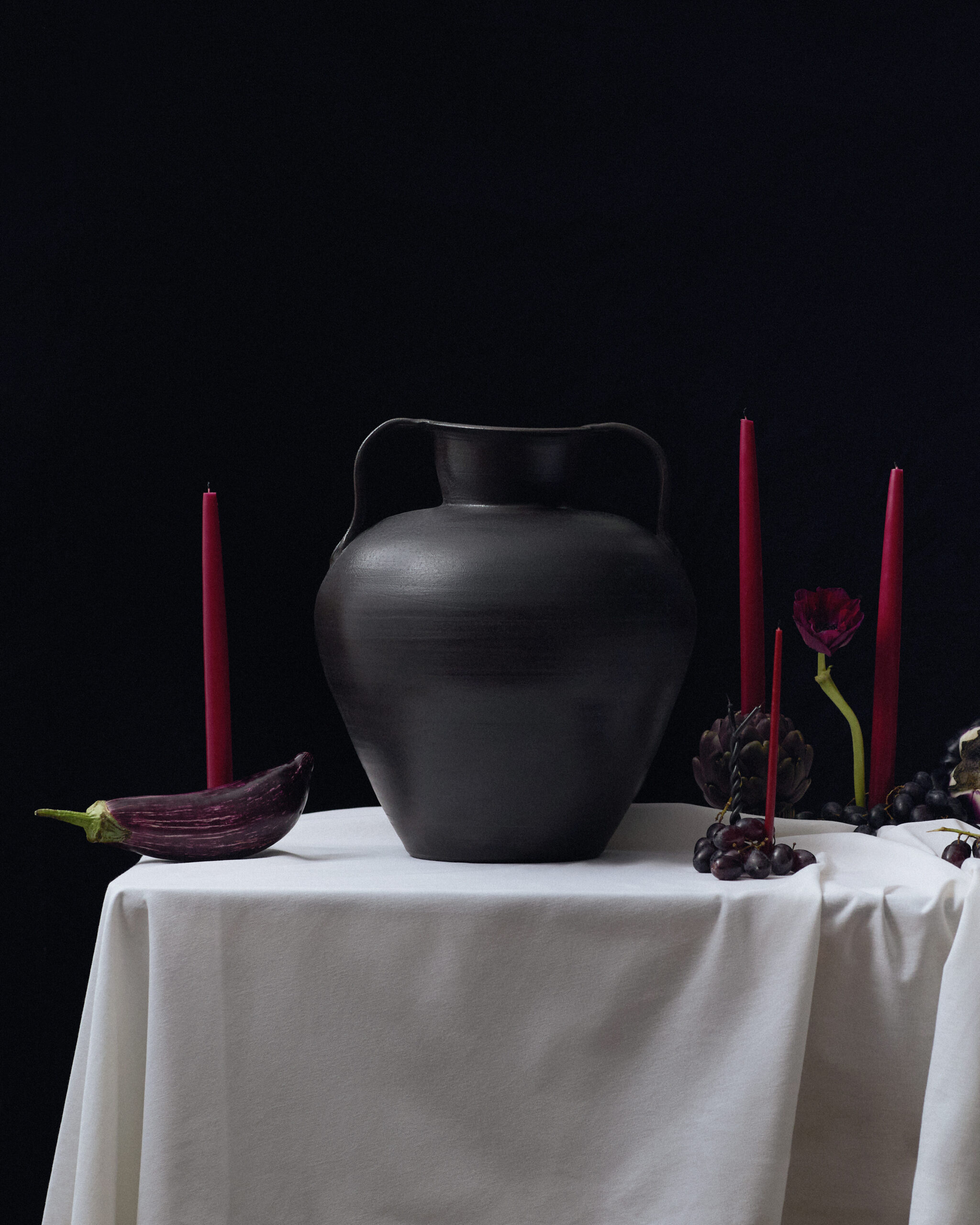
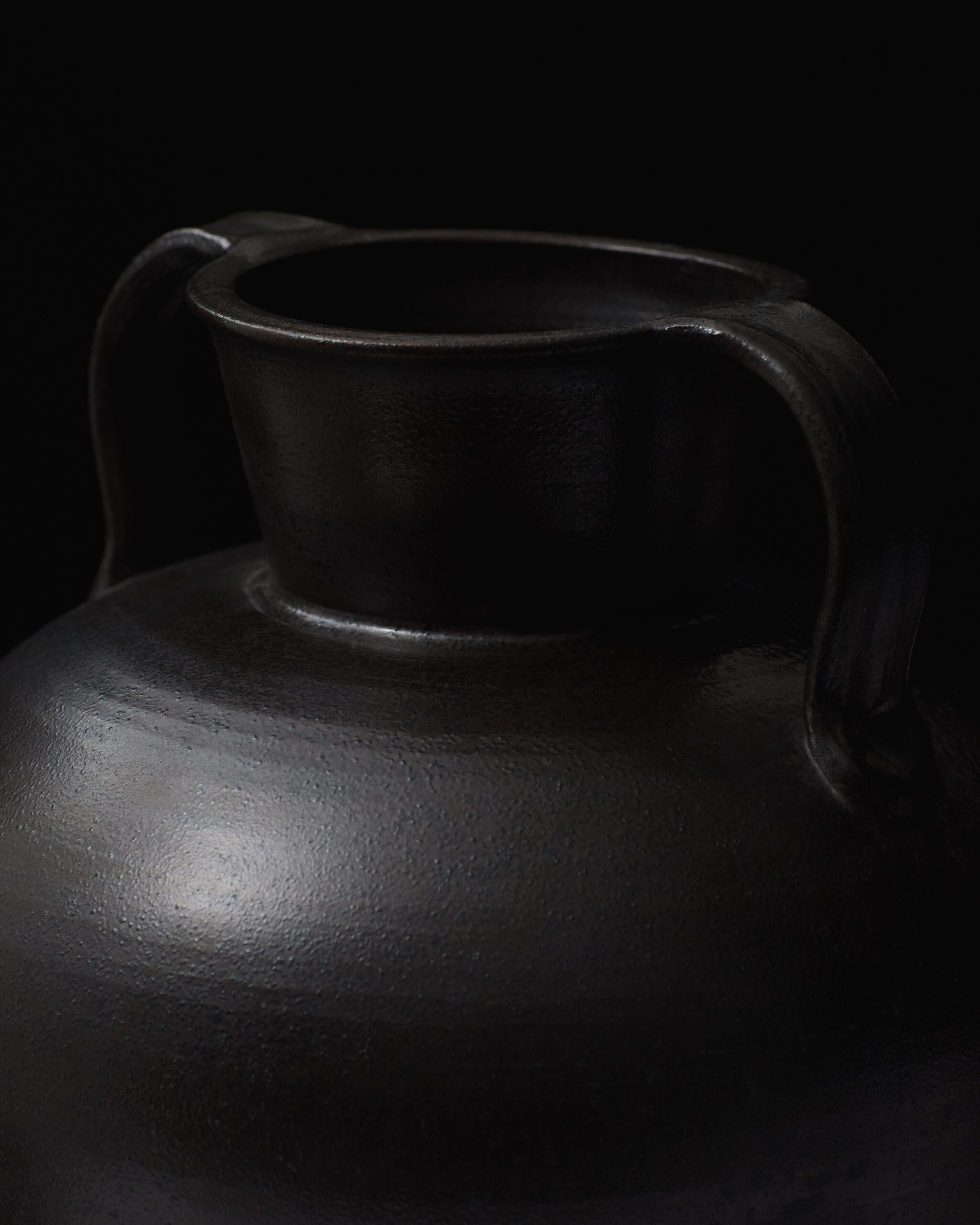
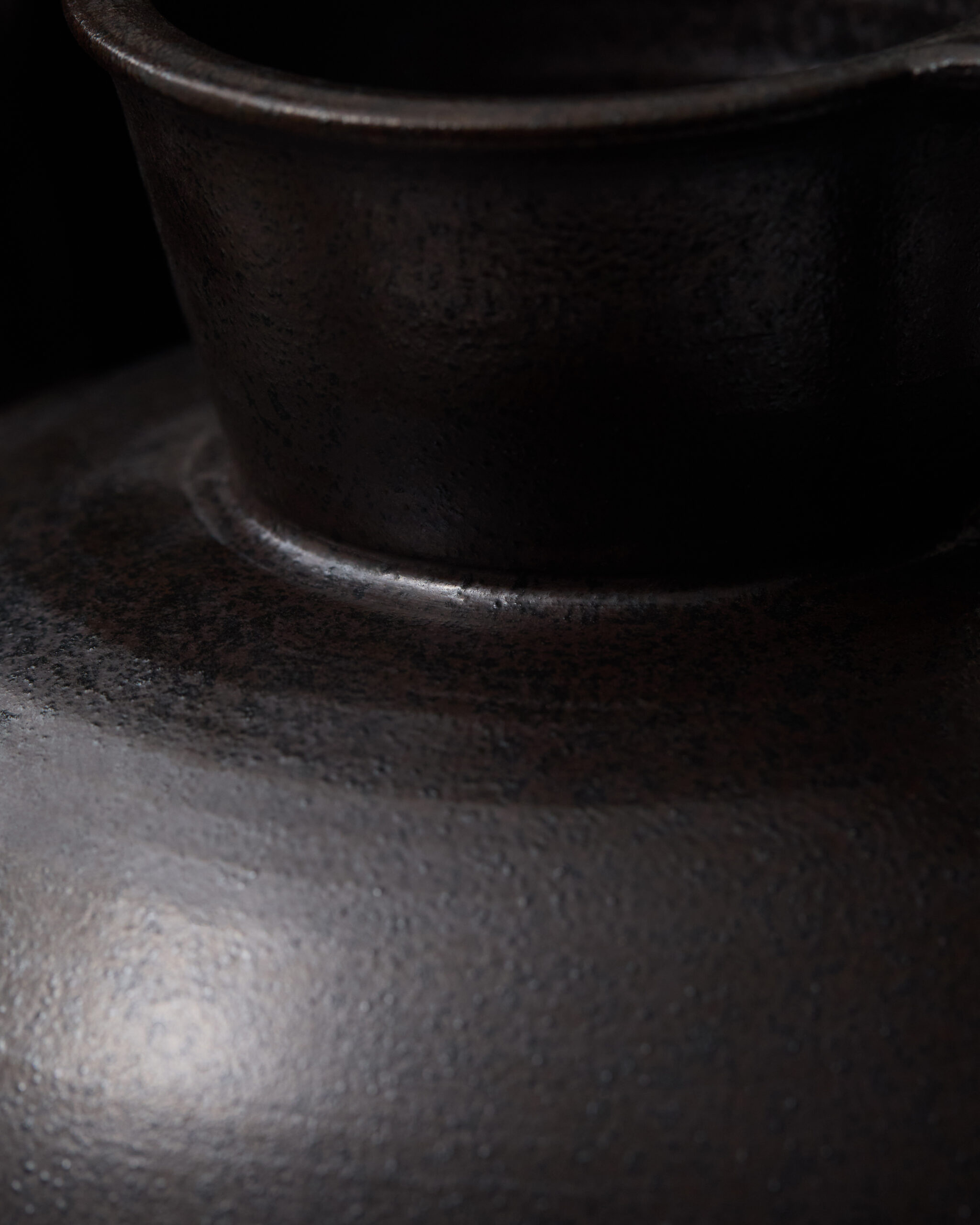
Now in his early twenties, he is one of the youngest potters in Vume to be recognised as a master of the tradition. His work is known locally for its proportion and for the precision with which he handles scale, particularly in the joined and assembled forms that demand control across multiple thrown sections. He works primarily with locally dug Vume clay, coarse and high in grit, and shapes the work by hand with a small number of traditional tools.

Prince works without a fixed formula. He throws by feel, refining through repetition rather than measurement, and his vessels are made for use. The work continues Vume’s utilitarian tradition with close attention to form and proportion.
For Prince, pottery is both livelihood and identity. “People see you as dirty, clothes soiled by the efforts of a day’s work,” he has said, “but clay gives me something beautiful, something useful that takes care of me and my family.” His words carry a respect for clay as something that sustains and shapes the life of its maker.
He continues to develop his work in Vume, refining a technique entirely his own, built without instruction or inheritance.
Prince works without a fixed formula. He throws by feel, refining through repetition rather than measurement, and his vessels are made for use. The work continues Vume’s utilitarian tradition with close attention to form and proportion.
For Prince, pottery is both livelihood and identity. “People see you as dirty, clothes soiled by the efforts of a day’s work,” he has said, “but clay gives me something beautiful, something useful that takes care of me and my family.” His words carry a respect for clay as something that sustains and shapes the life of its maker.
He continues to develop his work in Vume, refining a technique entirely his own, built without instruction or inheritance.