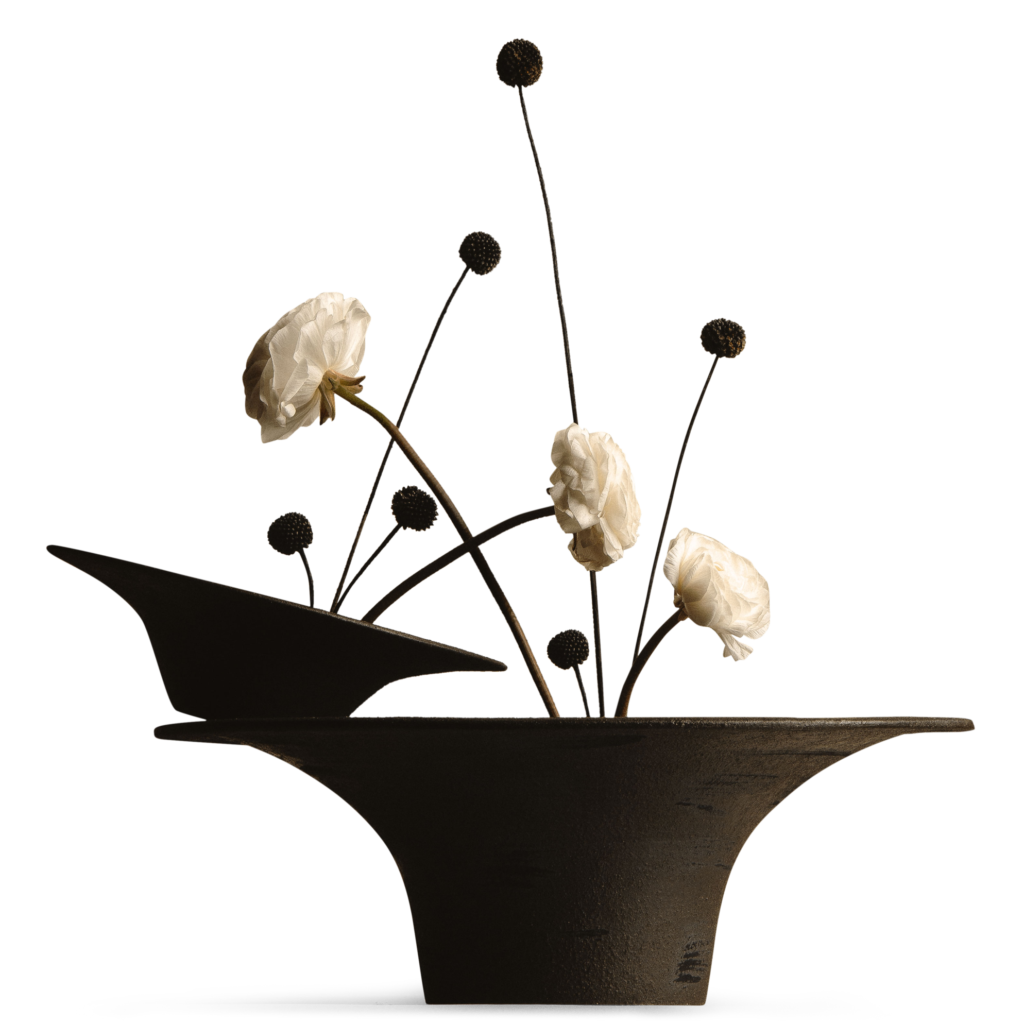
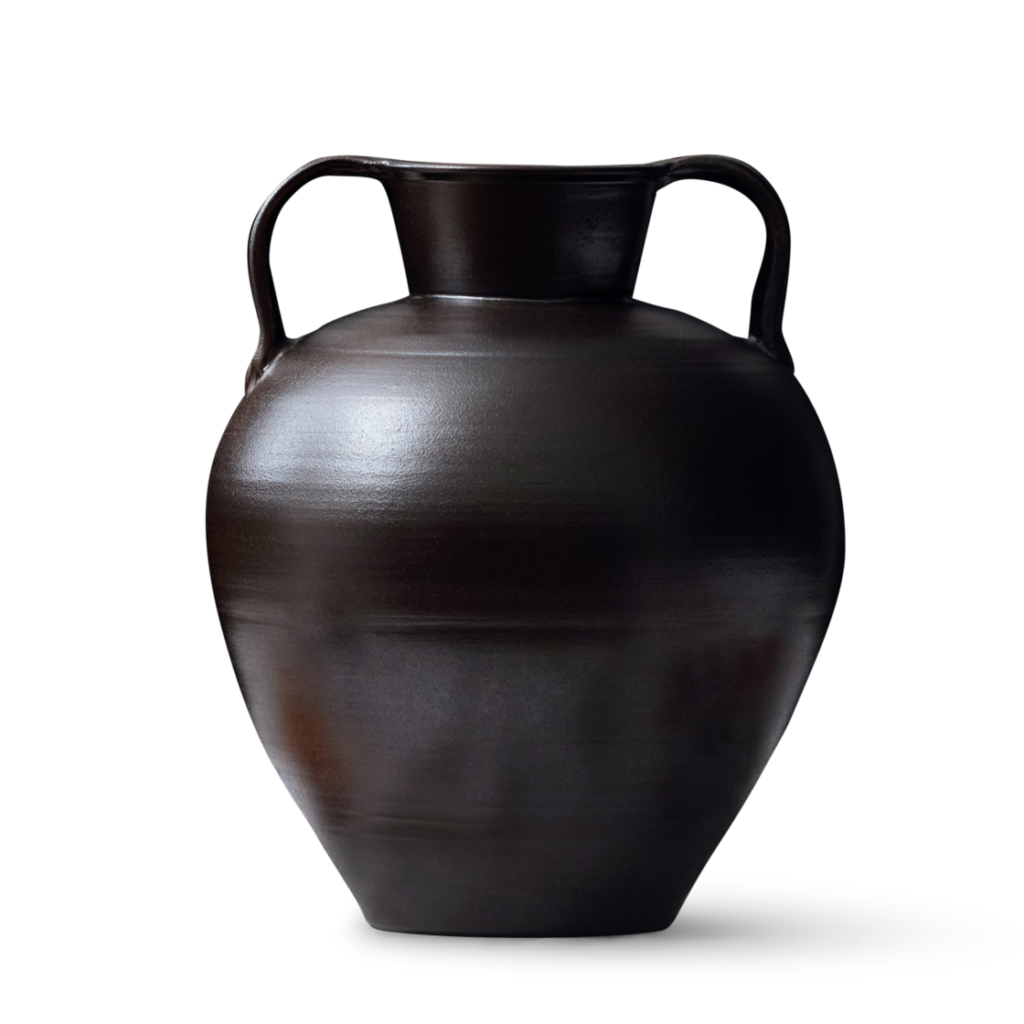
Taking its name from the Akan word Onua, meaning sibling, the Onua Collection works in pairs. Two forms, two characters, designed to live alongside each other.
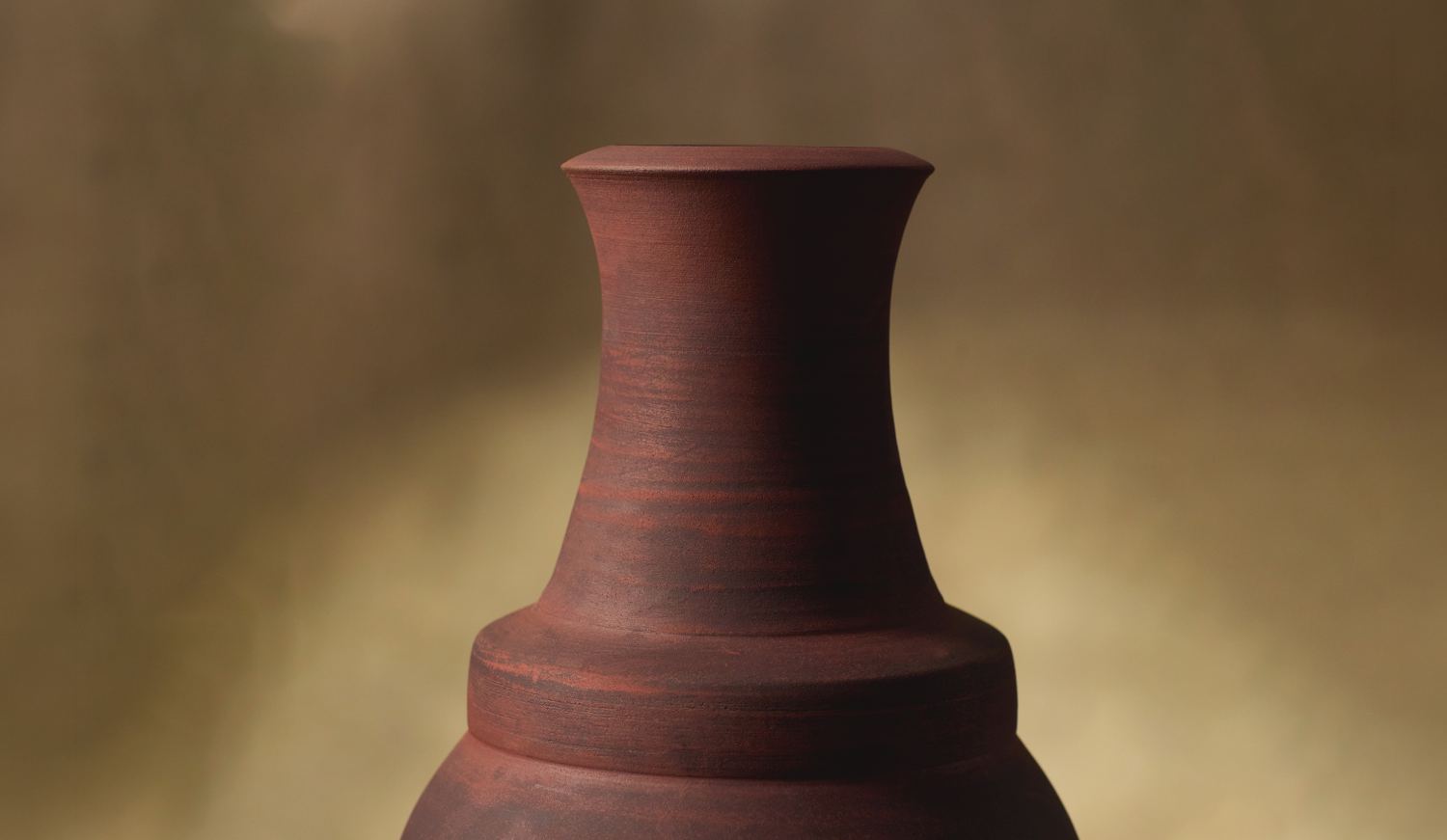
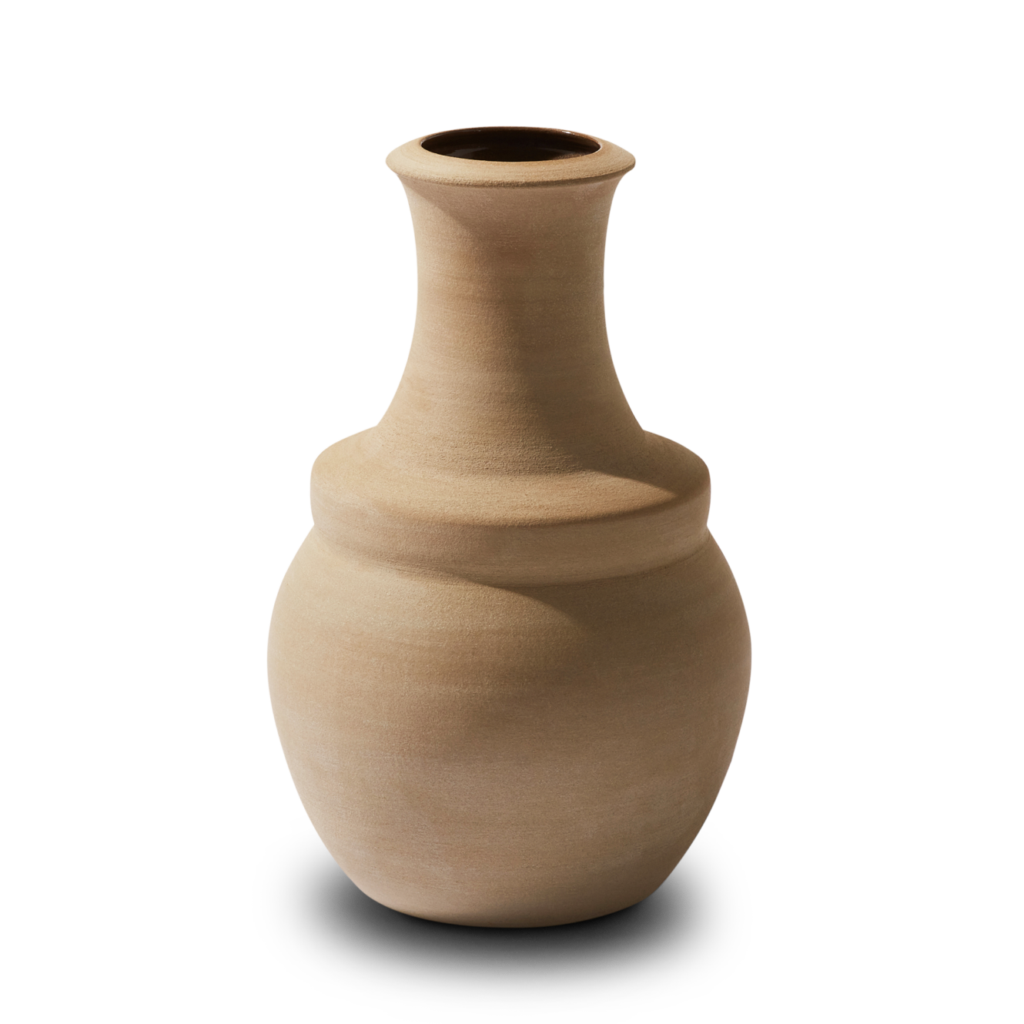
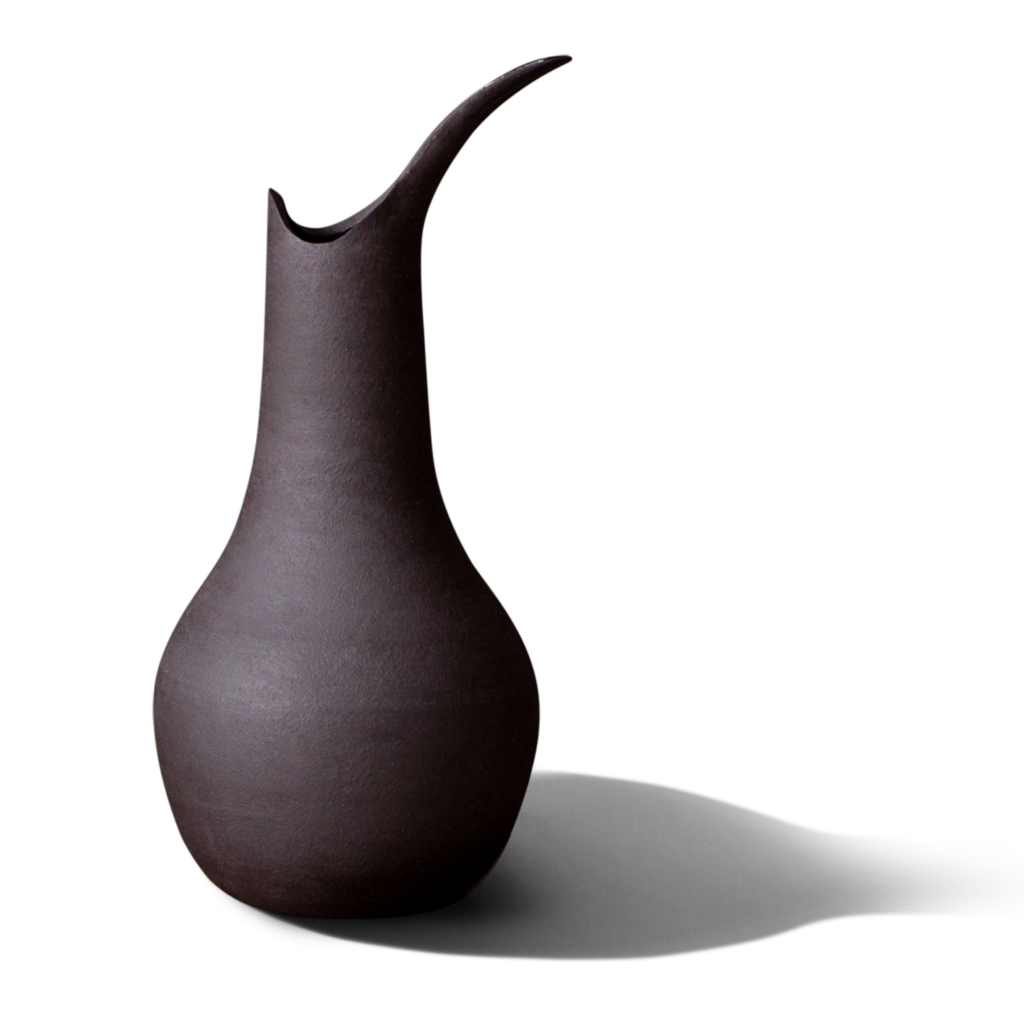
The Alexandra is the fuller of the two, hand-formed in stoneware with a rounded body drawn from the feminine figurative tradition of Akan sculpture. Its contoured profile and central taper demand a higher degree of precision in shaping than the Alexandra’s slimmer companion.
Shown here in Riverbank: a deep iron-rich red tone, with cocoa husk ash blended into the clay body and the surface worked first with palm fibre, then hand-sanded. The interior is finished with a clear glaze that sits in close conversation with the raw exterior.
Ghanaian ceramic artist working in the post-2010 generation of KNUST-trained ceramicists, whose practice has moved Ghana’s studio ceramics toward sculptural and conceptual ground while keeping its visual roots in Akan symbolism.
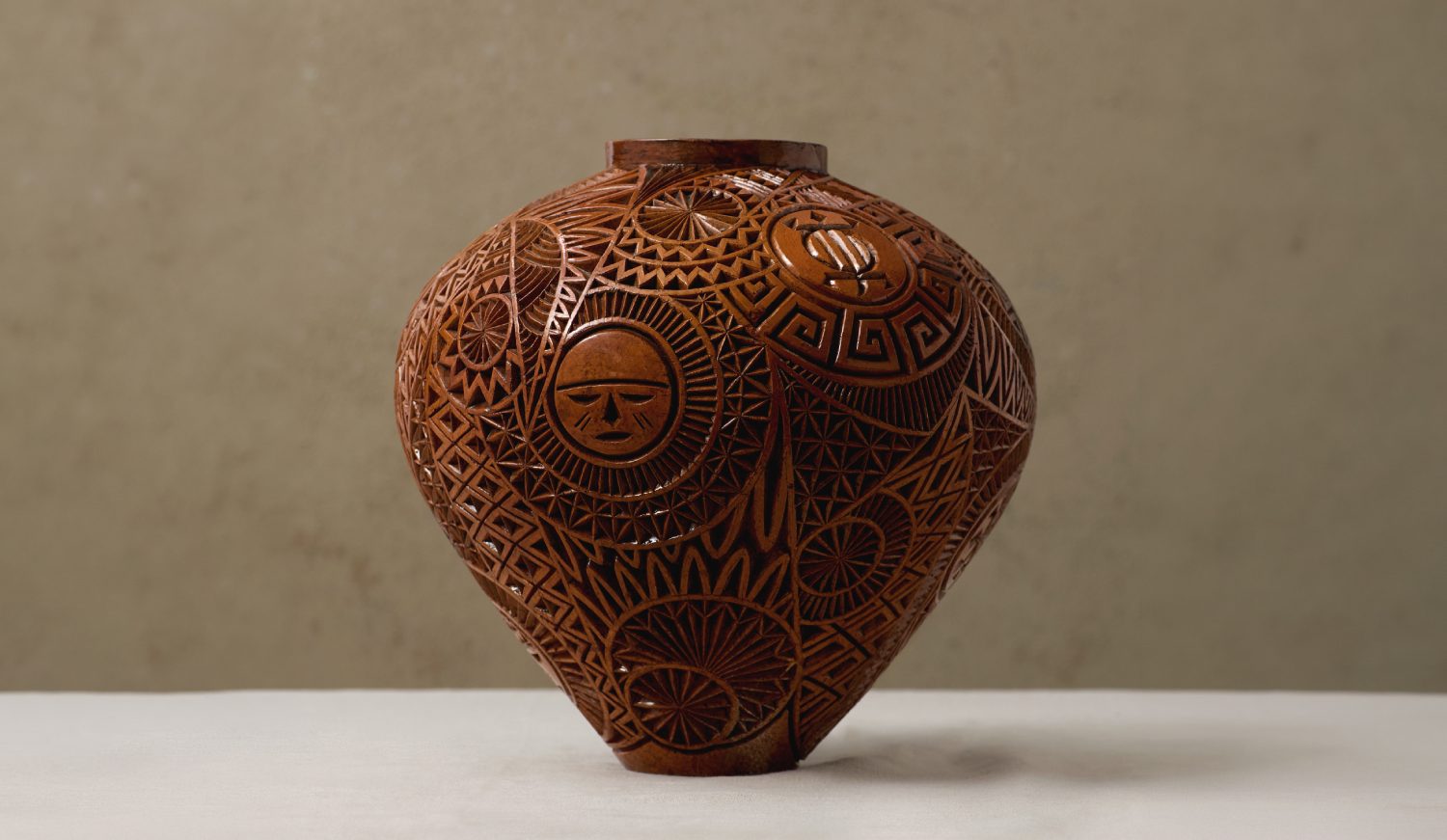
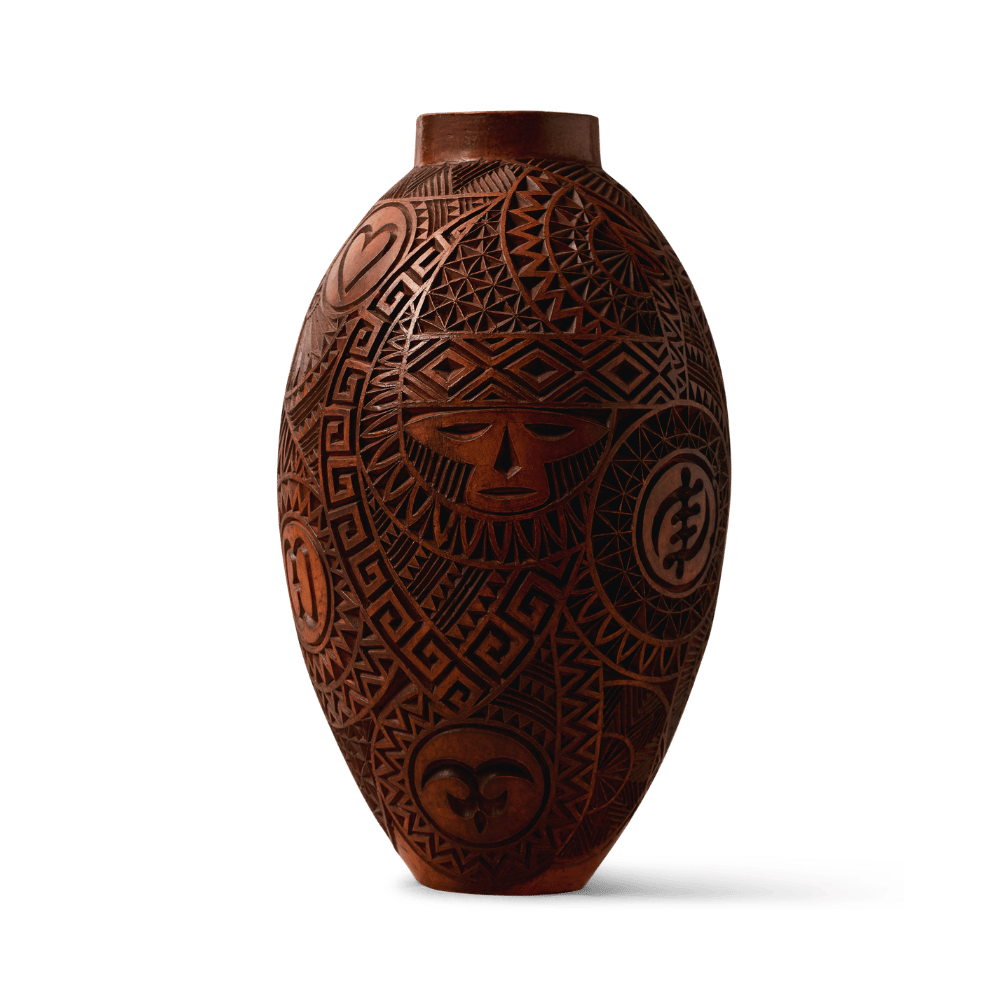
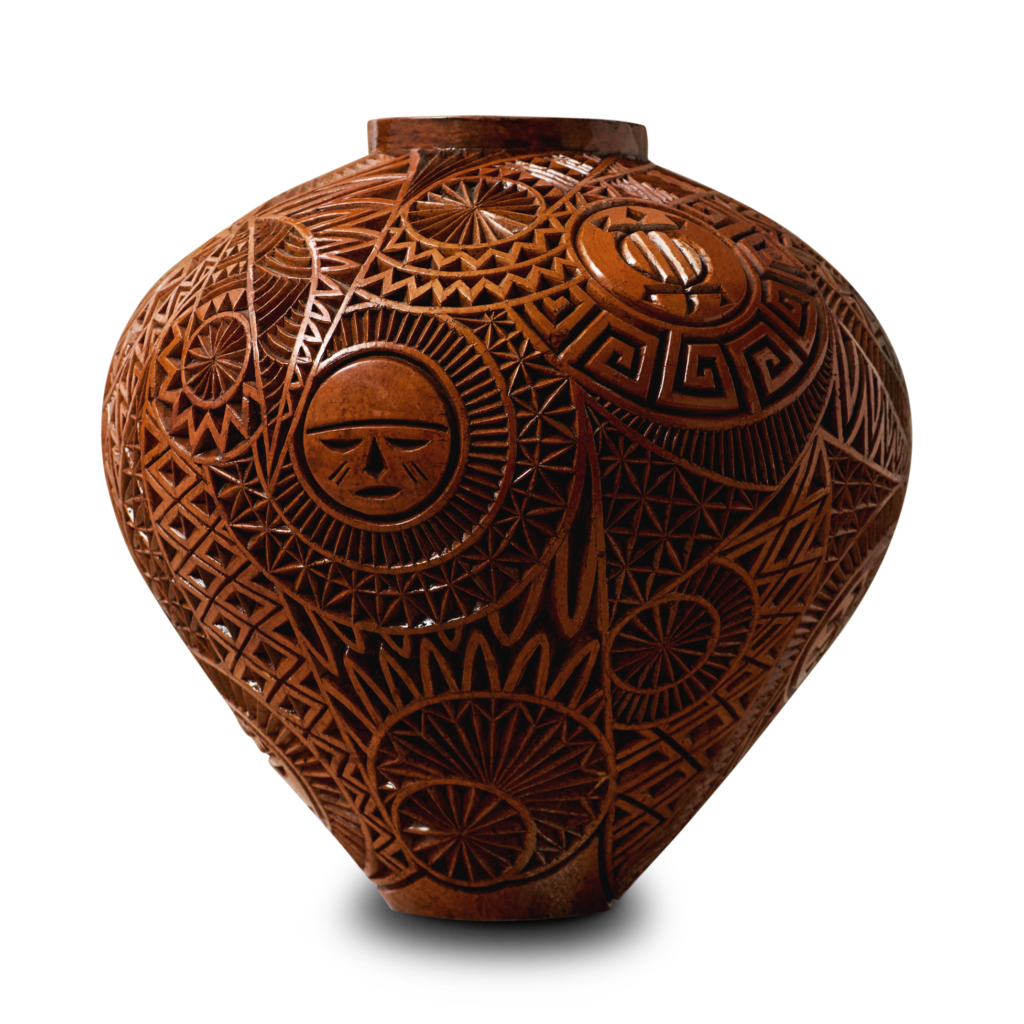
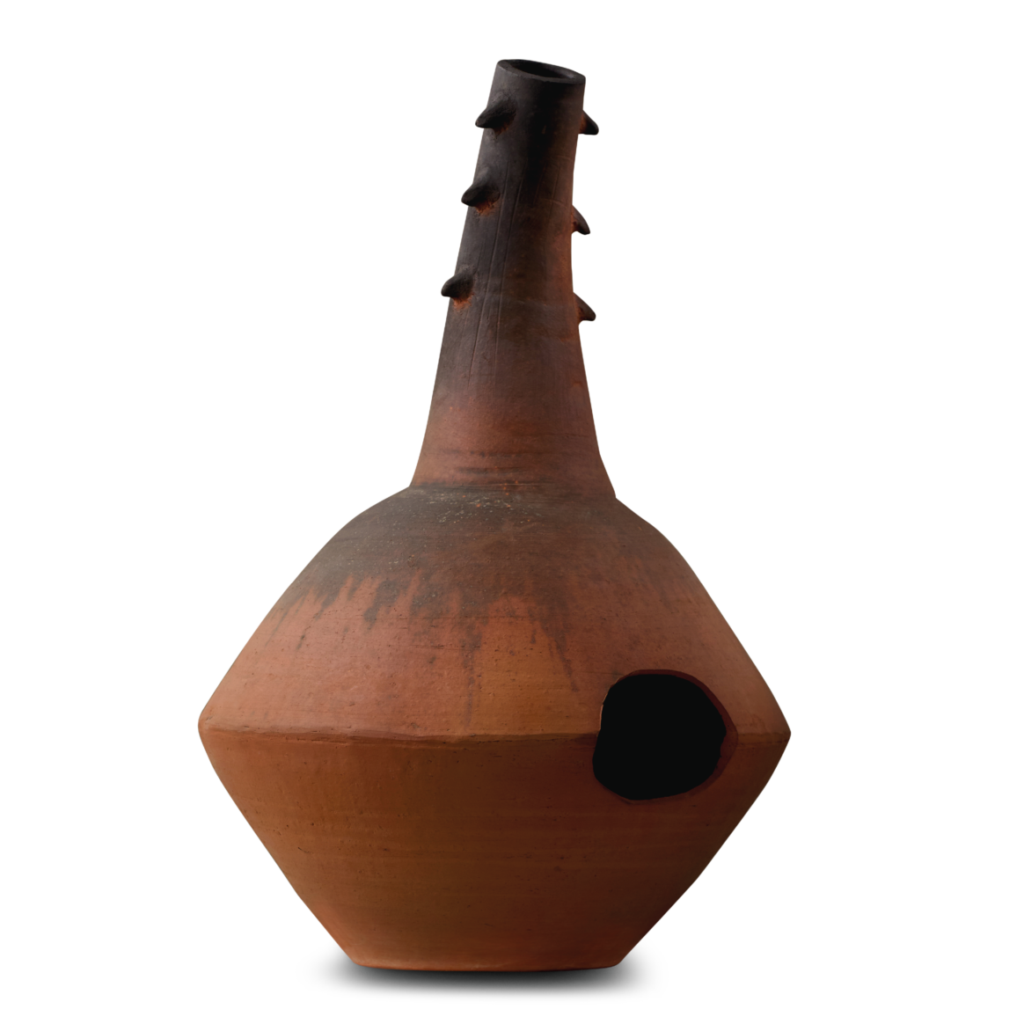
Adane builds his vessels by hand through slab construction and coiling, then cuts into the surface in layered, repeated passes that produce dense relief across the body. Many of his pieces hold the grain and patina of aged wood; the resemblance is deliberate.
His work moves across forms and finishes, with recurring threads drawn from Adinkra iconography and household vessel traditions.
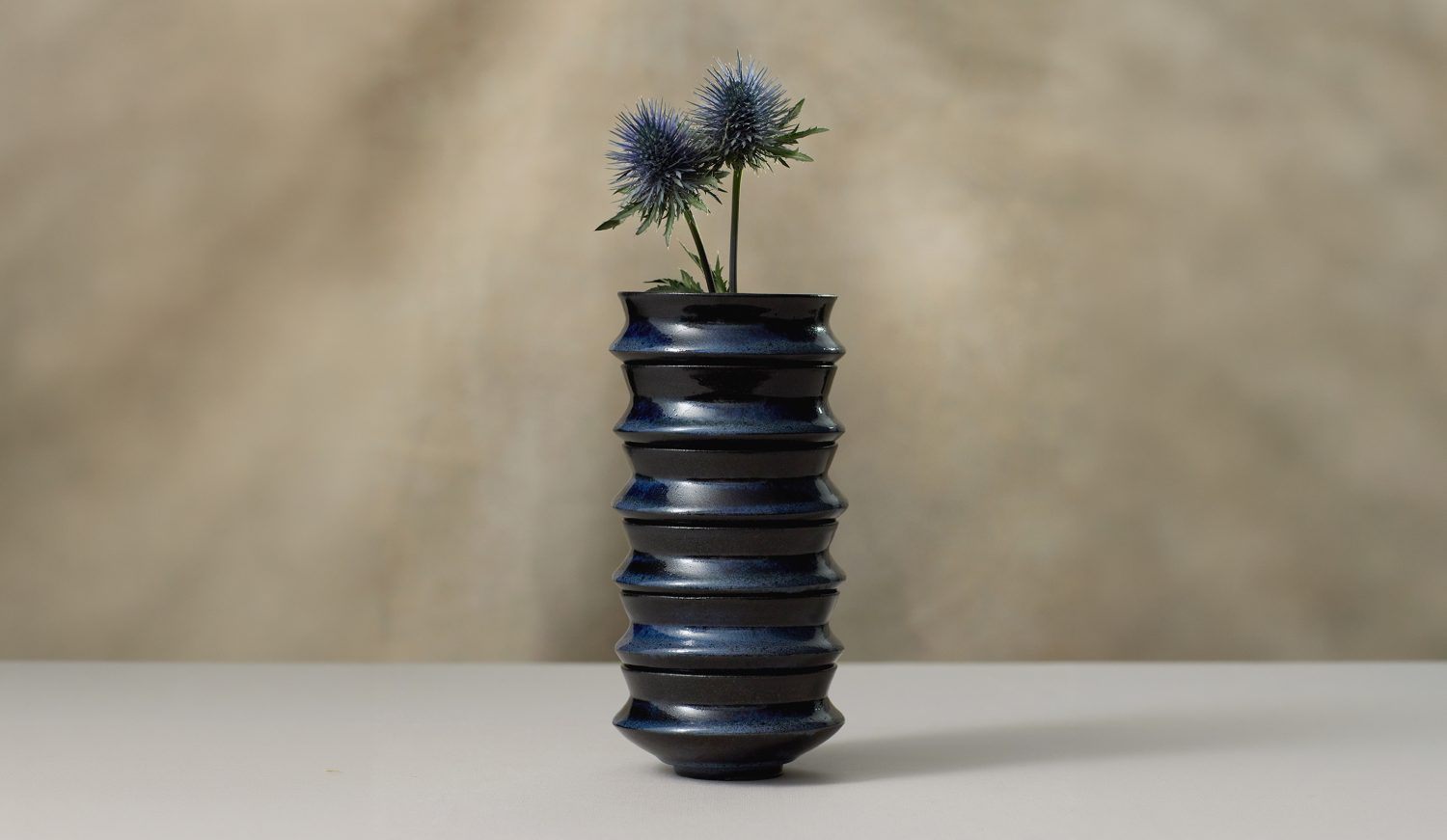
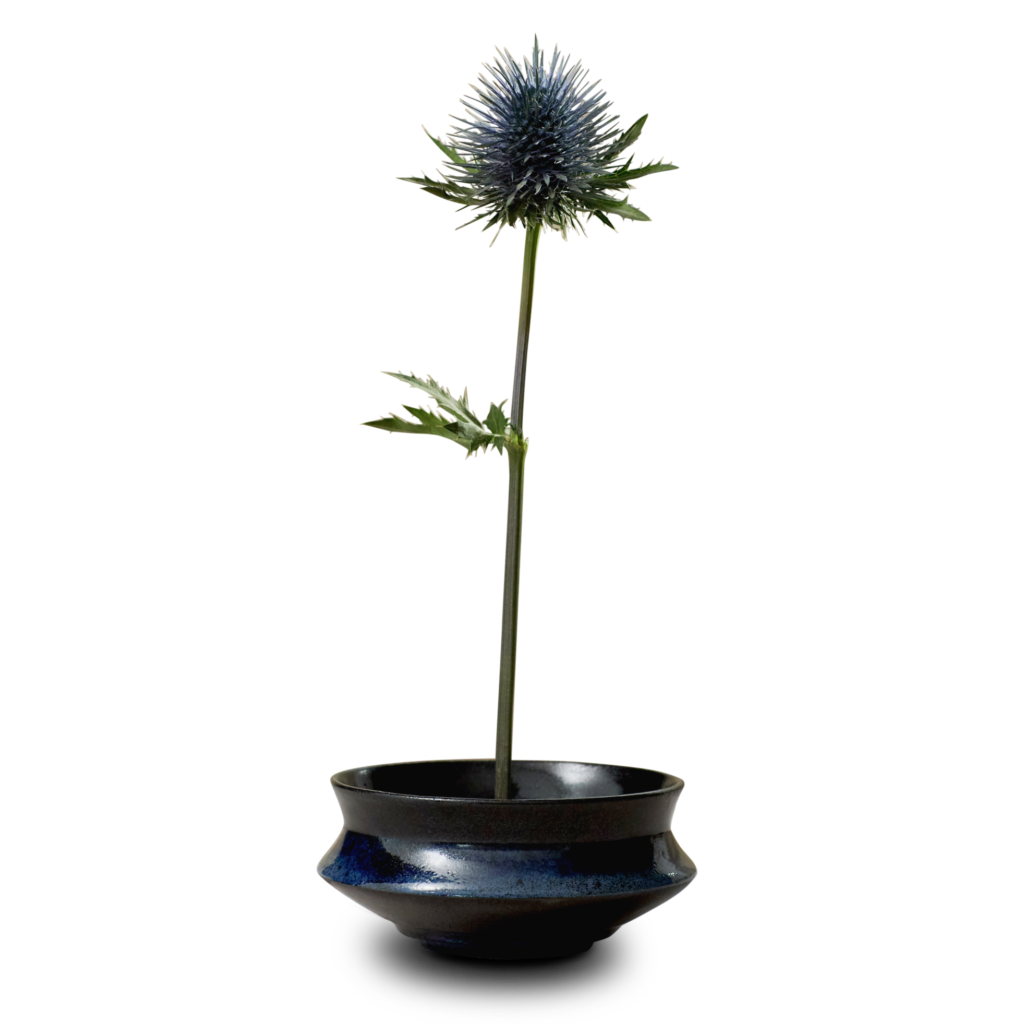
The Nok is the angular form in the Loam tableware range, with a stepped profile and a sharp shoulder that allows the bowls to nest and stack cleanly. The geometry is built around how the piece is used, in the hand and on the table.
Shown here in Volta, a deep indigo glaze that shifts toward pale silvery blue across the body. The colour is drawn from the Volta River itself, where the water turns from dark to luminous as it catches the light. Each piece carries its own variation in the glaze as it fires, so no two Voltas read exactly the same.


.svg)
.svg)

